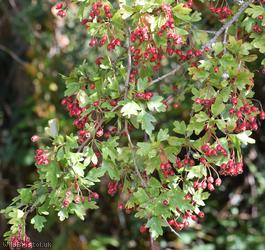
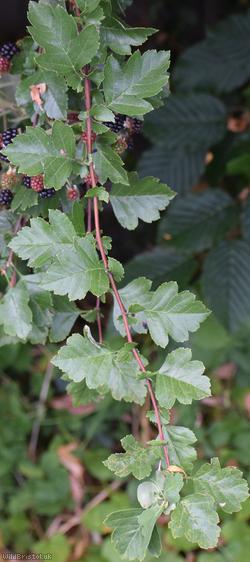
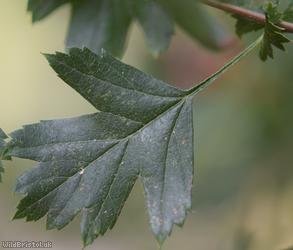
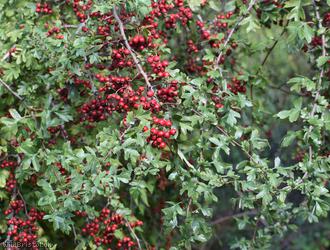
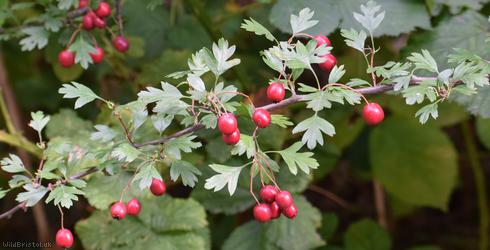
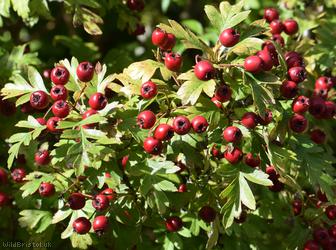
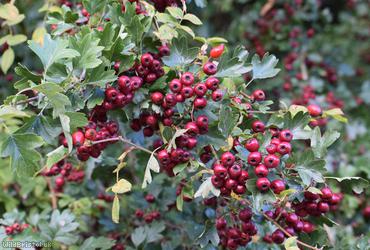
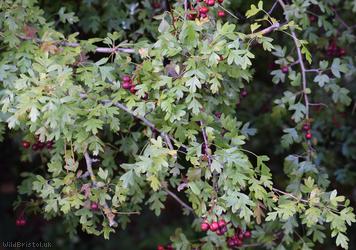
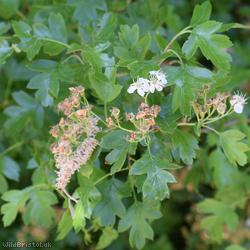
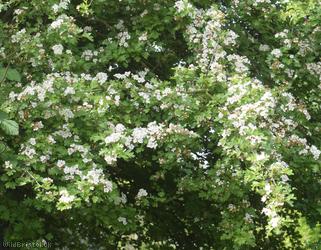
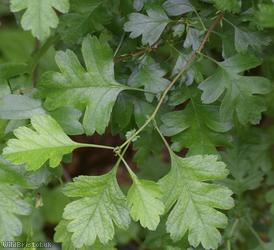
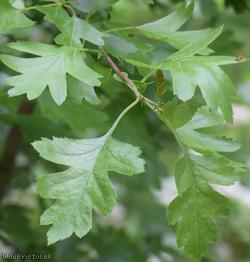
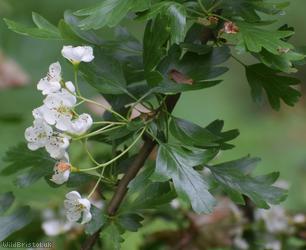
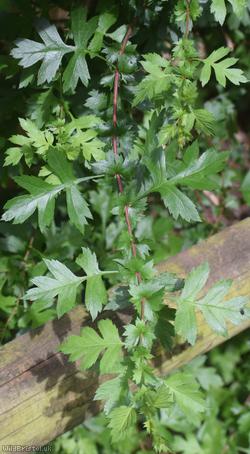
Common Hawthorn - Crataegus monogyna
Favourite Photos
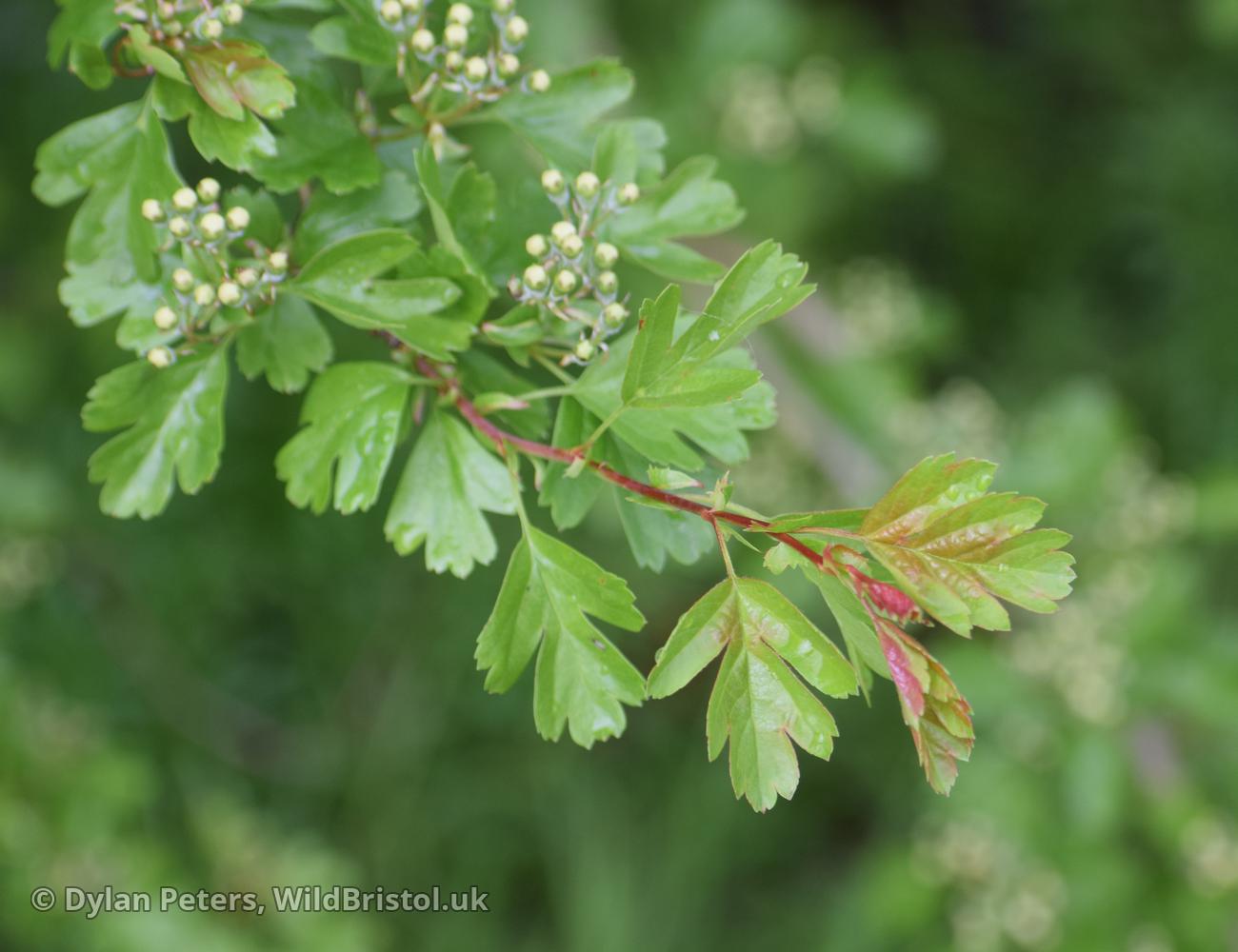
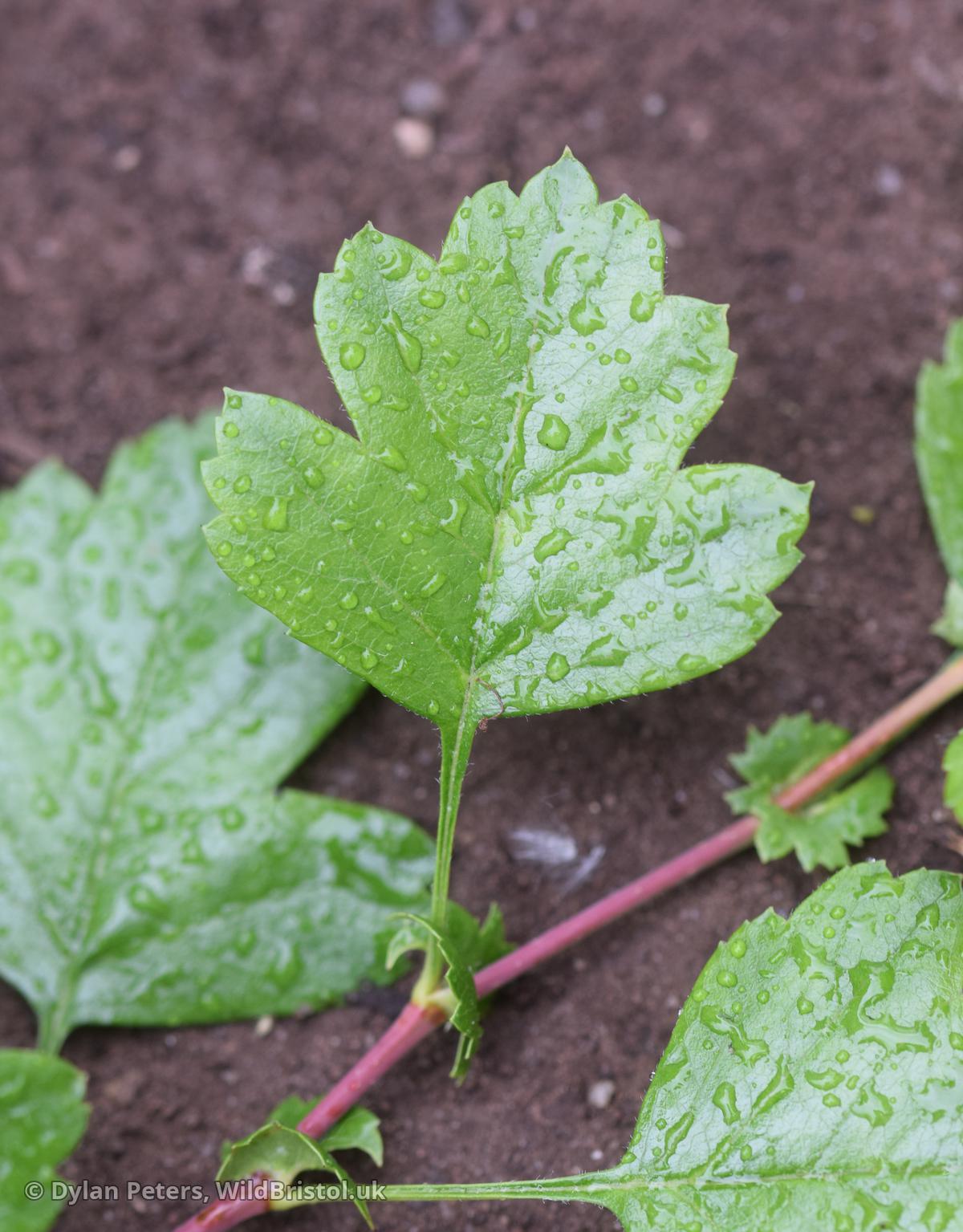
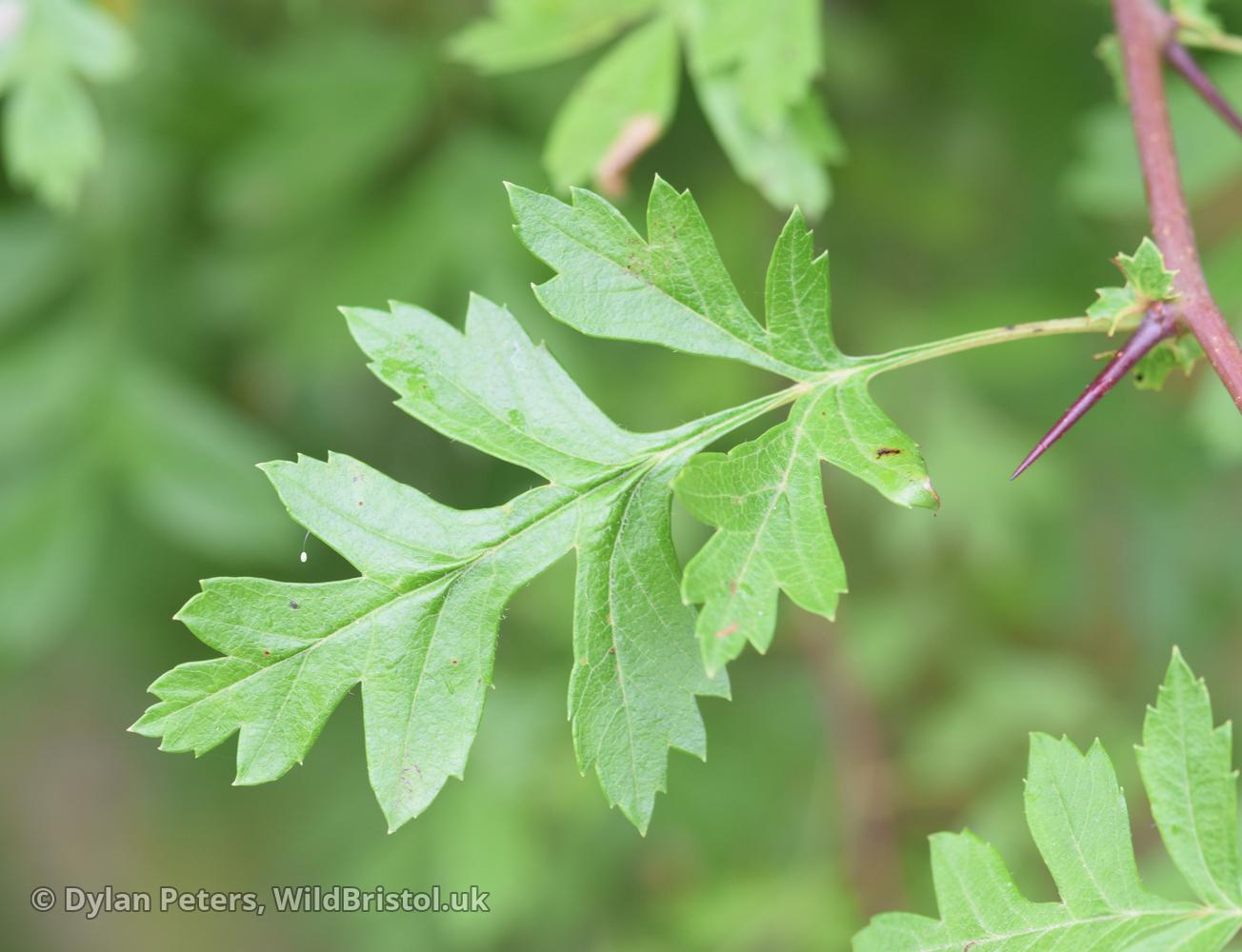
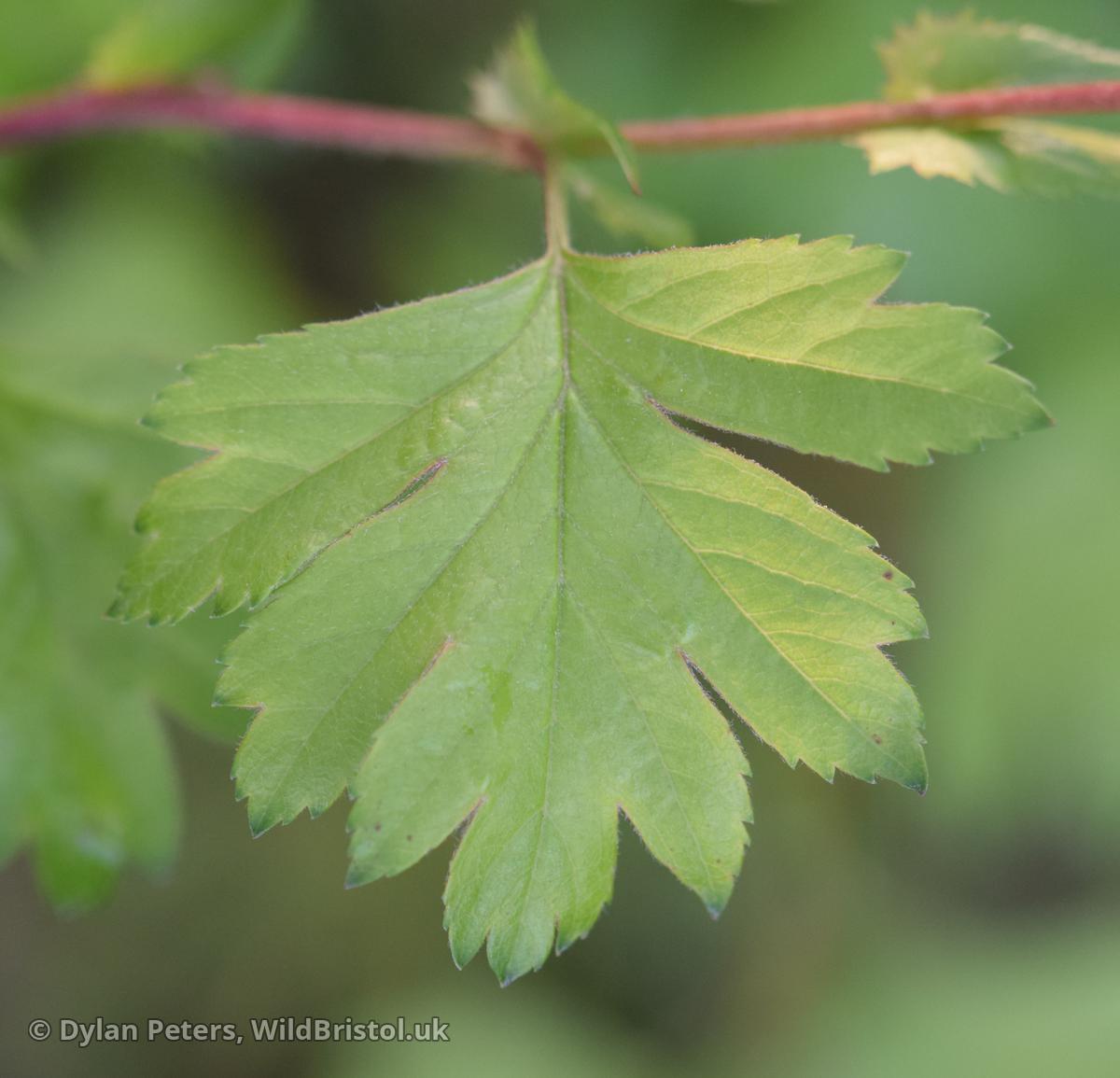
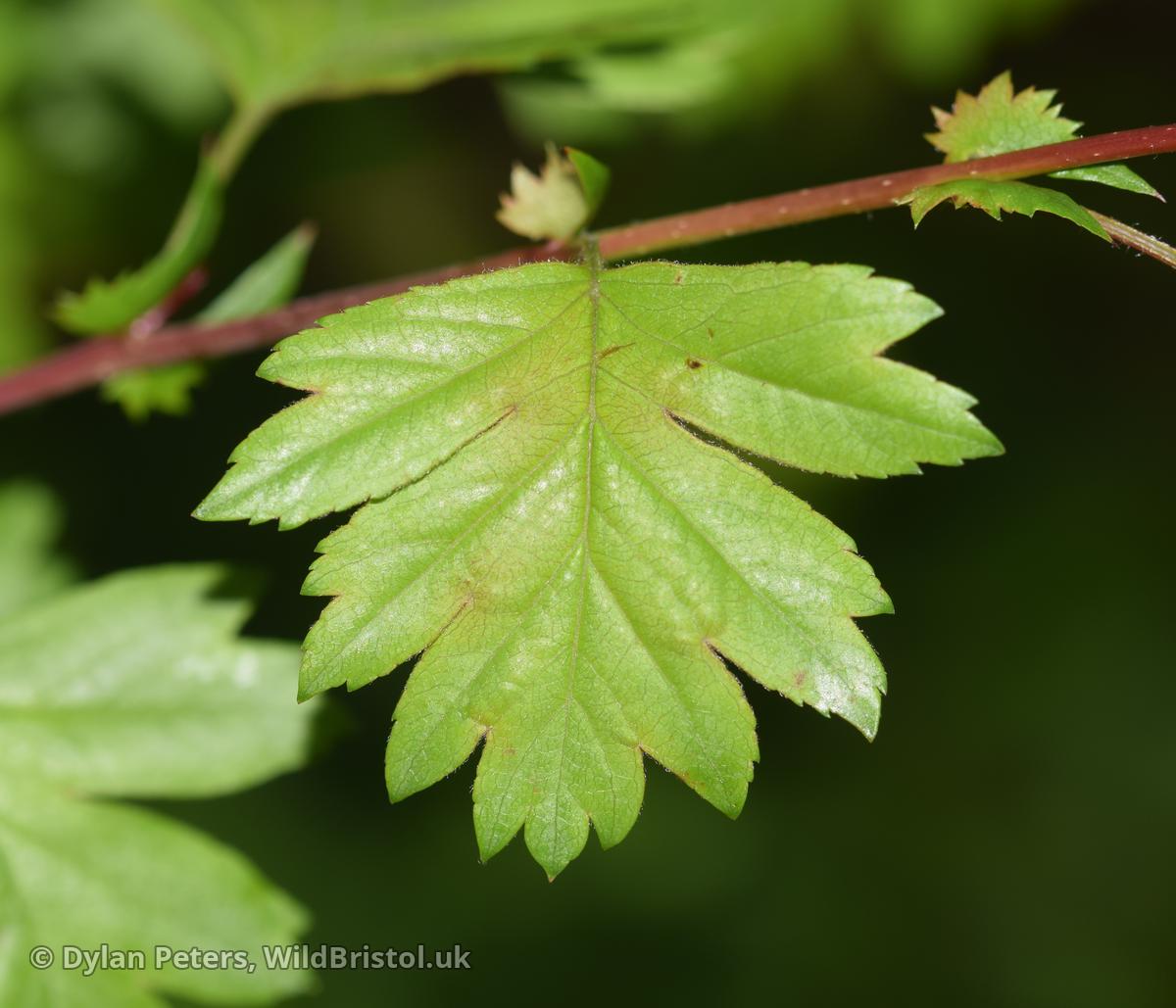
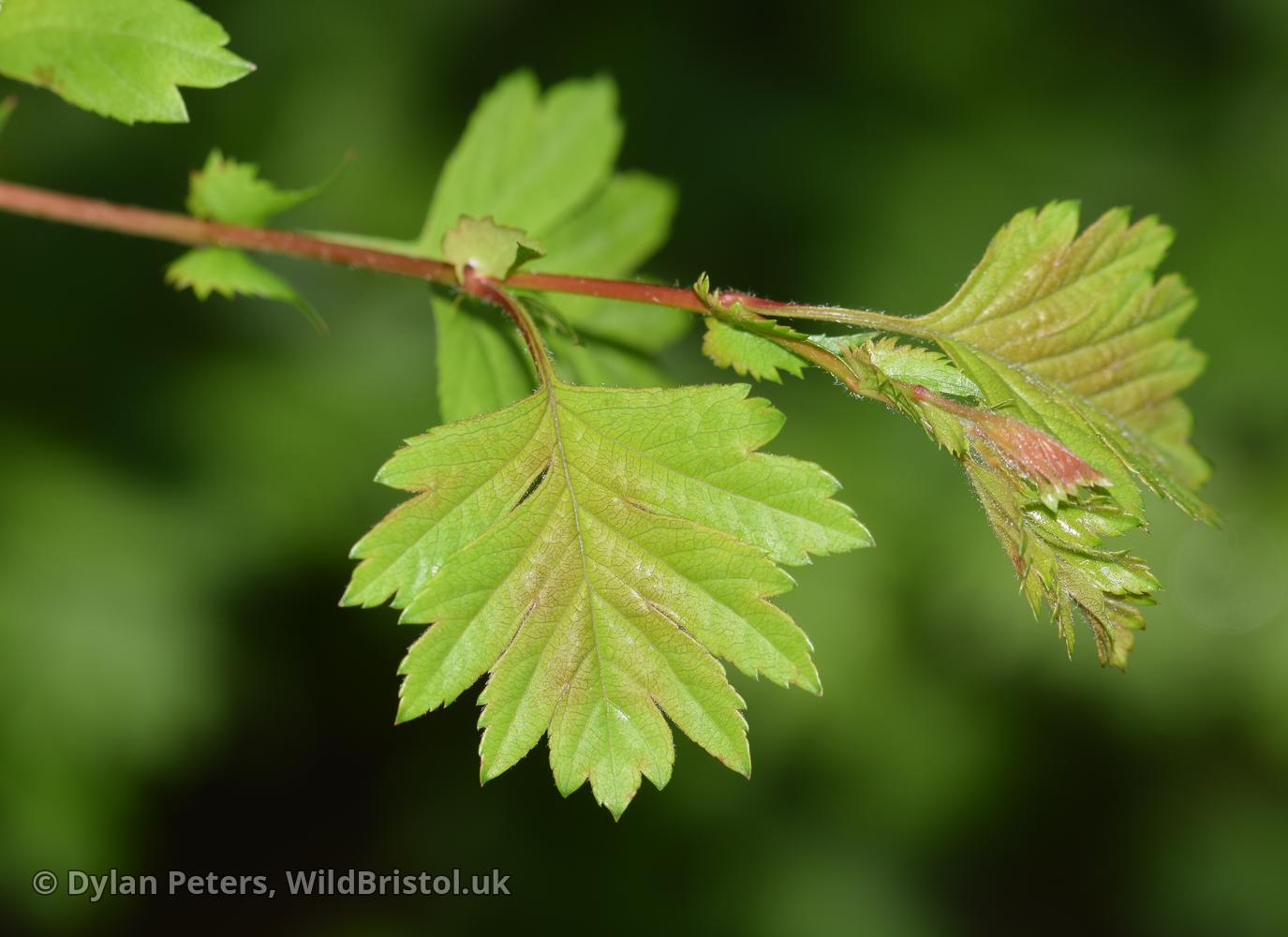
Species Description
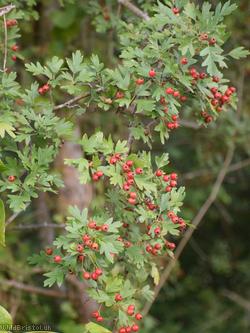
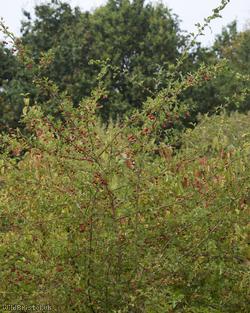
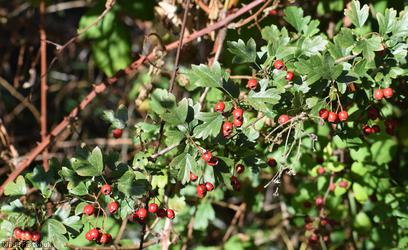
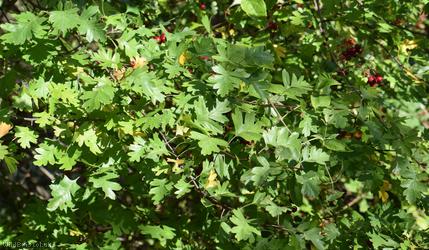
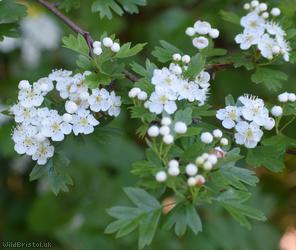
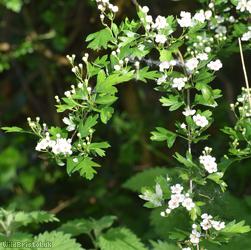
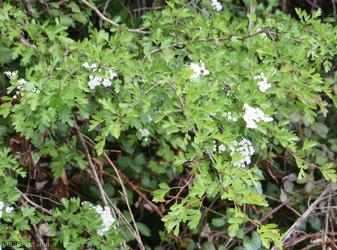
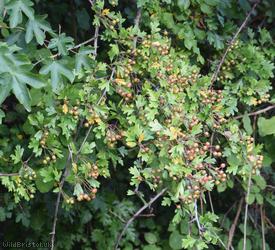
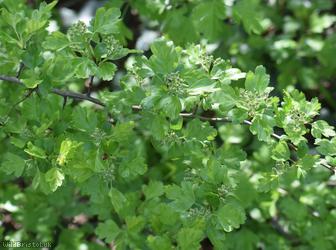
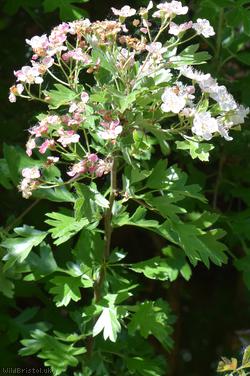
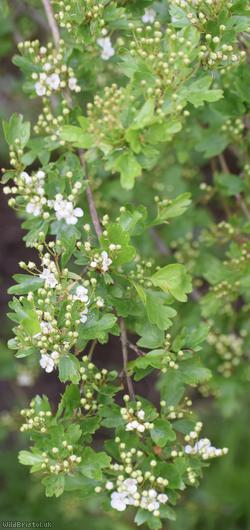
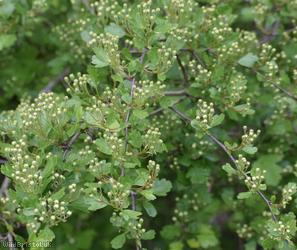
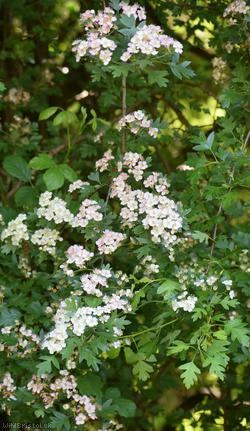
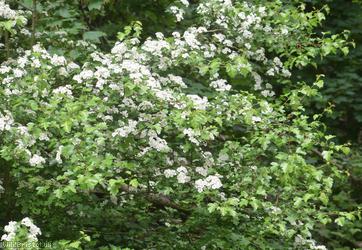
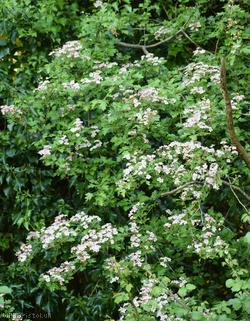
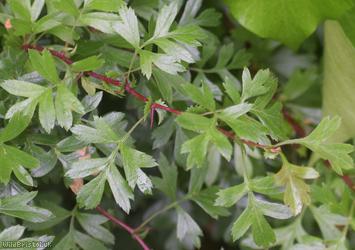
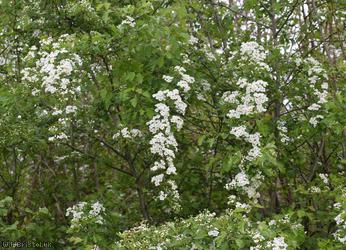
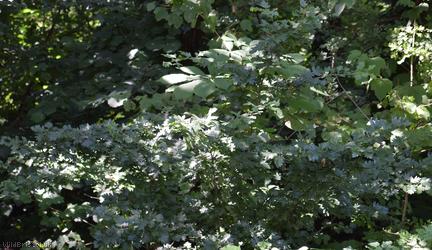
Common and widespread throughout the UK. Habitat includes: woodland, hedgerows, scrub, hill-sides etc. Crataegus monogyna is an extremely variable species, to the extent that I consider it to be a 'species complex'. It has been so widely planted over the centuries, and in more recent years with the ridiculous importation of saplings from abroad, that it has become an impossible mess of uncertainty, containing similar and not so similar-looking taxa which I feel could really be described as new species, and amongst them, probably endless hybrids! I would not be surprised given the nature of the Rose family if 'C. monogyna' or at least a portion of them may act as pseudogamous apomicts. Virtually every individual analysed in a hedge appears to be drastically different from the next, even in more natural settings such as ancient woodland I've never been able to make out a single 'standard' form but I am now starting to find matches and natural groupings of relation over wide areas. One of which (type 27) appears to be most widespread.
Features to look for:
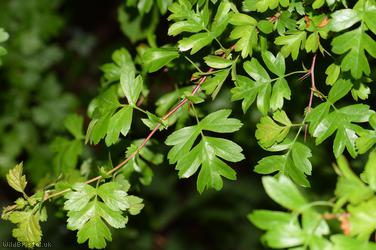
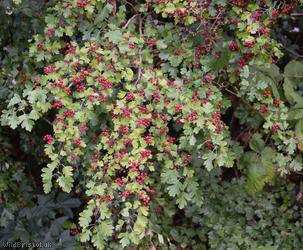
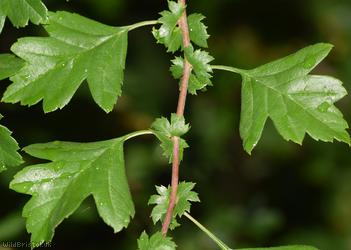
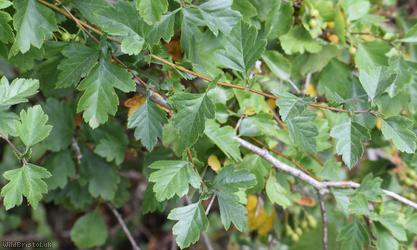
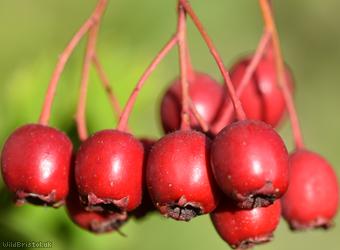
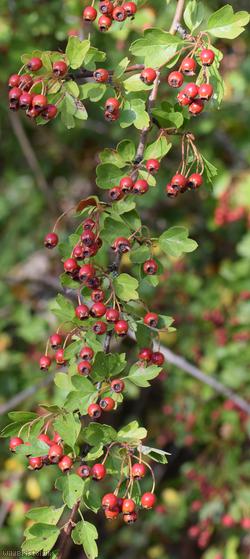
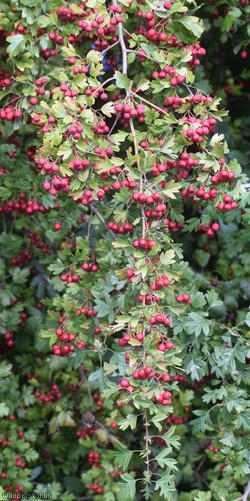
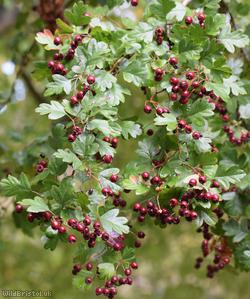
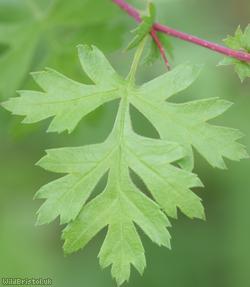
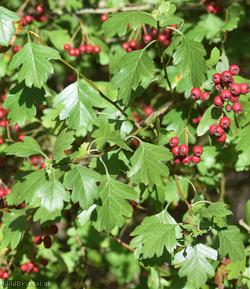
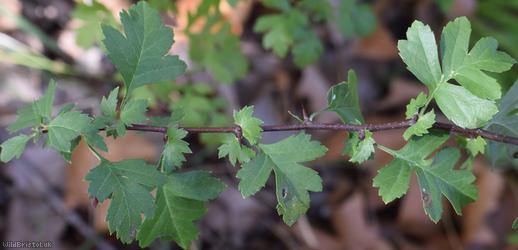
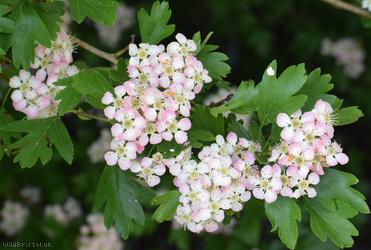
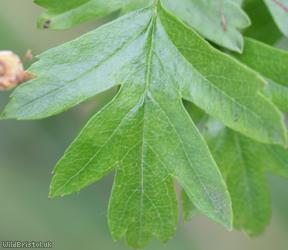
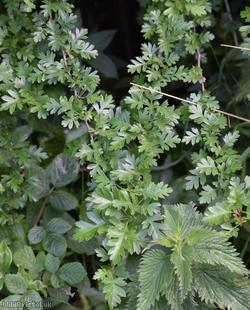
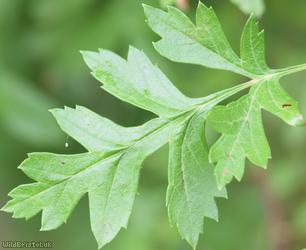
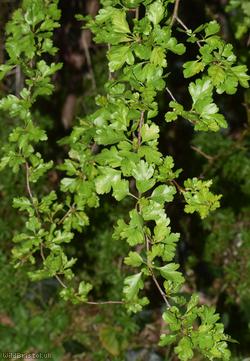
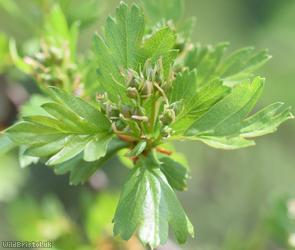
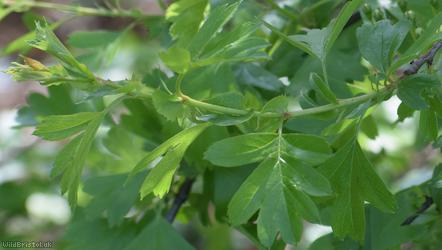
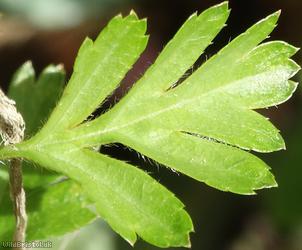
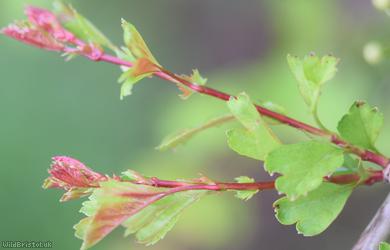
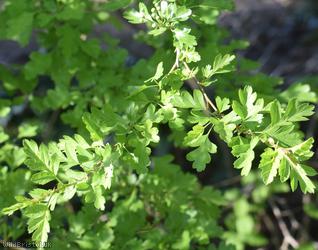
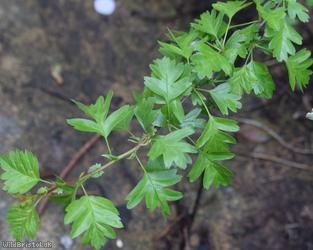
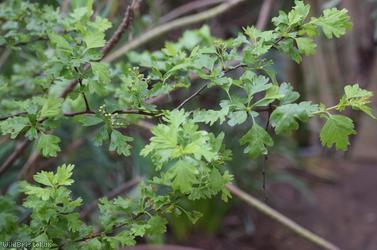
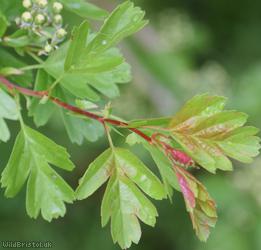
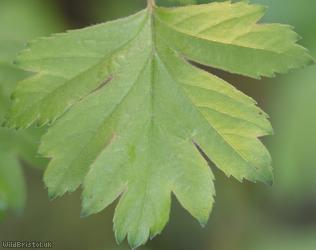
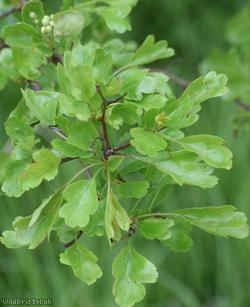
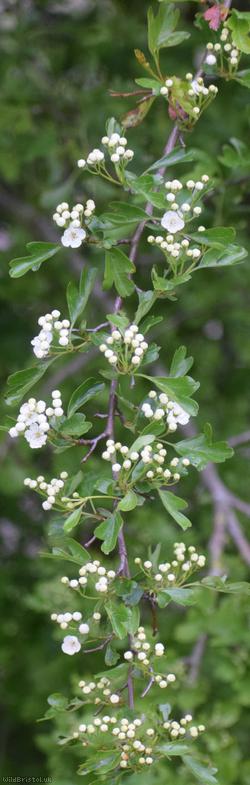
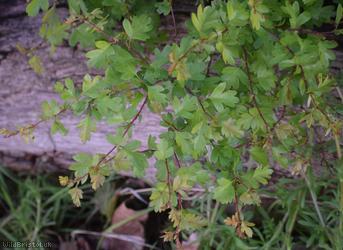
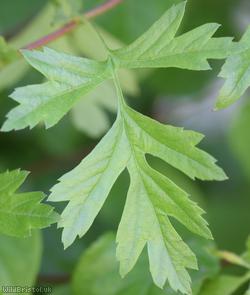
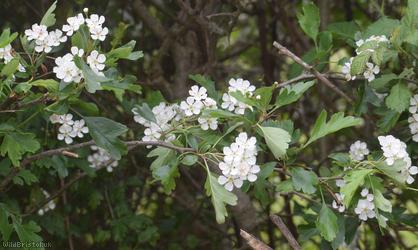
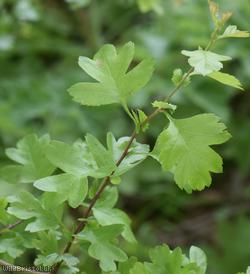
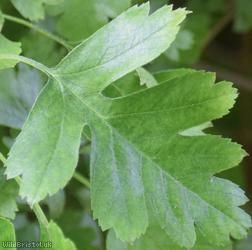
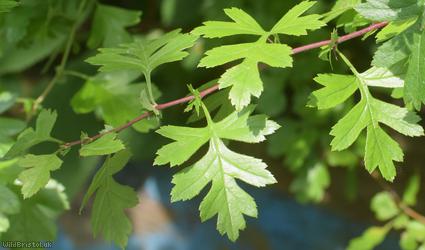
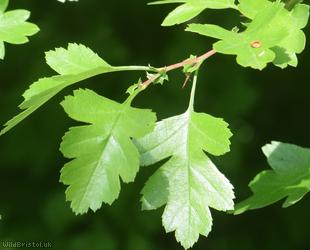
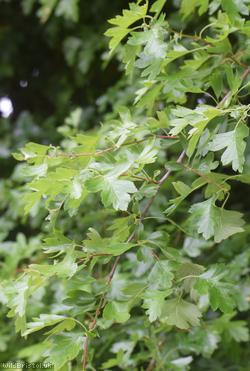
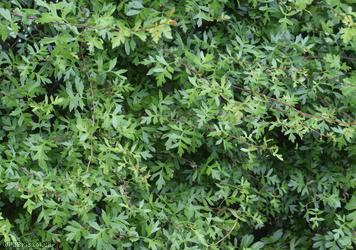
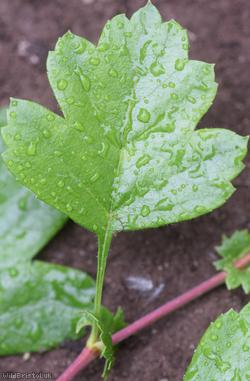
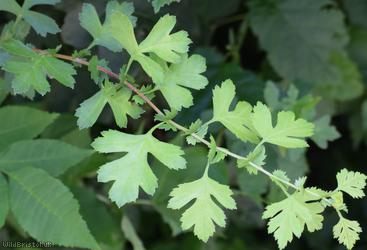
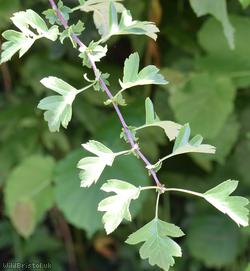
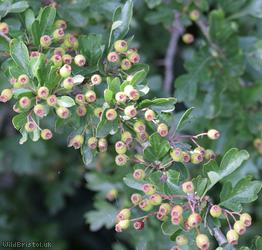
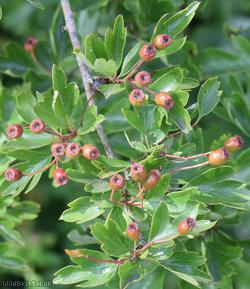
Analysing the leaves, stipules and spines of 1st year growth i.e. the barren or long shoot and that of the flowering or short shoot, both when in flower and when in fruit. Leaves on what are essentially sterile flower shoots are somewhat intermediate. They can be useful but should be ignored for the most part unless new shoots aren't available. The ideal specimen to collect from are clearly defined (i.e. not multiple examples growing amongst one another) with a good supply of easy to reach new shoots (carefully snap by pinching the very base and bending back and forth at the joining point or carefully use secateurs) and flowering shoots, both when in flower and when in fruit if possible. Hawthorn in hedgerows, particularly those that are cut harshly should be ignored unless great efforts are made to ensure only one particular individual is being collected / photographed at a time by carefully tracing the branches back to one central point. In this situation it is also often the case to only have leaves and no flowers. Taking photos of the necessary parts both in situ and when laid out on the ground and also freshly after pressing to see the leaf shape fully unfurled, is ideal if not compulsory. Making notes of features such as stamen number, flower colour fruit size is also a must if not portrayed clearly through photographs.
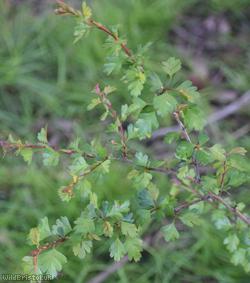
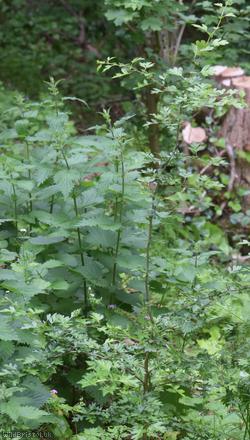
It's worth noting that leaf and stipule morphology, spininess and growing habit does change to quite an extent depending on the stage of the plant and the conditions it is exposed to; including whether the individual is growing unaffected or is subject to regular harsh cutting. Young saplings upon reaching a certain height (of about a metre) will quite suddenly send out a different leaf type, soon followed by the first flowers after about 5-10 years after germination. Once a tree has reached maturity and becomes more woody it can be frustratingly difficult trying to find any first year shoots to compare against the flowering ones but where a branch has been broken or sometimes at the tips of leading branches new growth is often produced.