Common Hawthorn type 84 - Crataegus monogyna type 84
Favourite Photos
Species Description
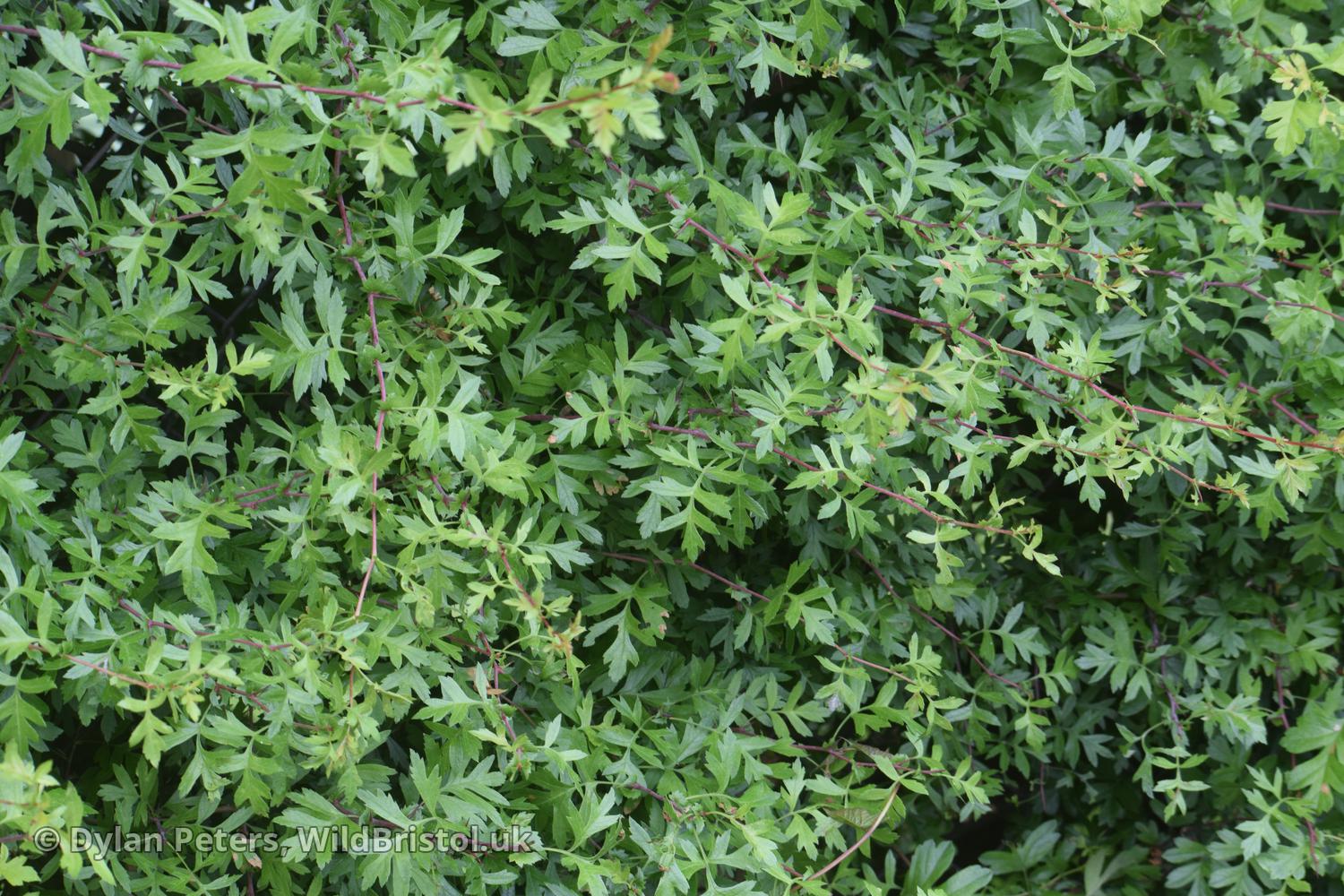
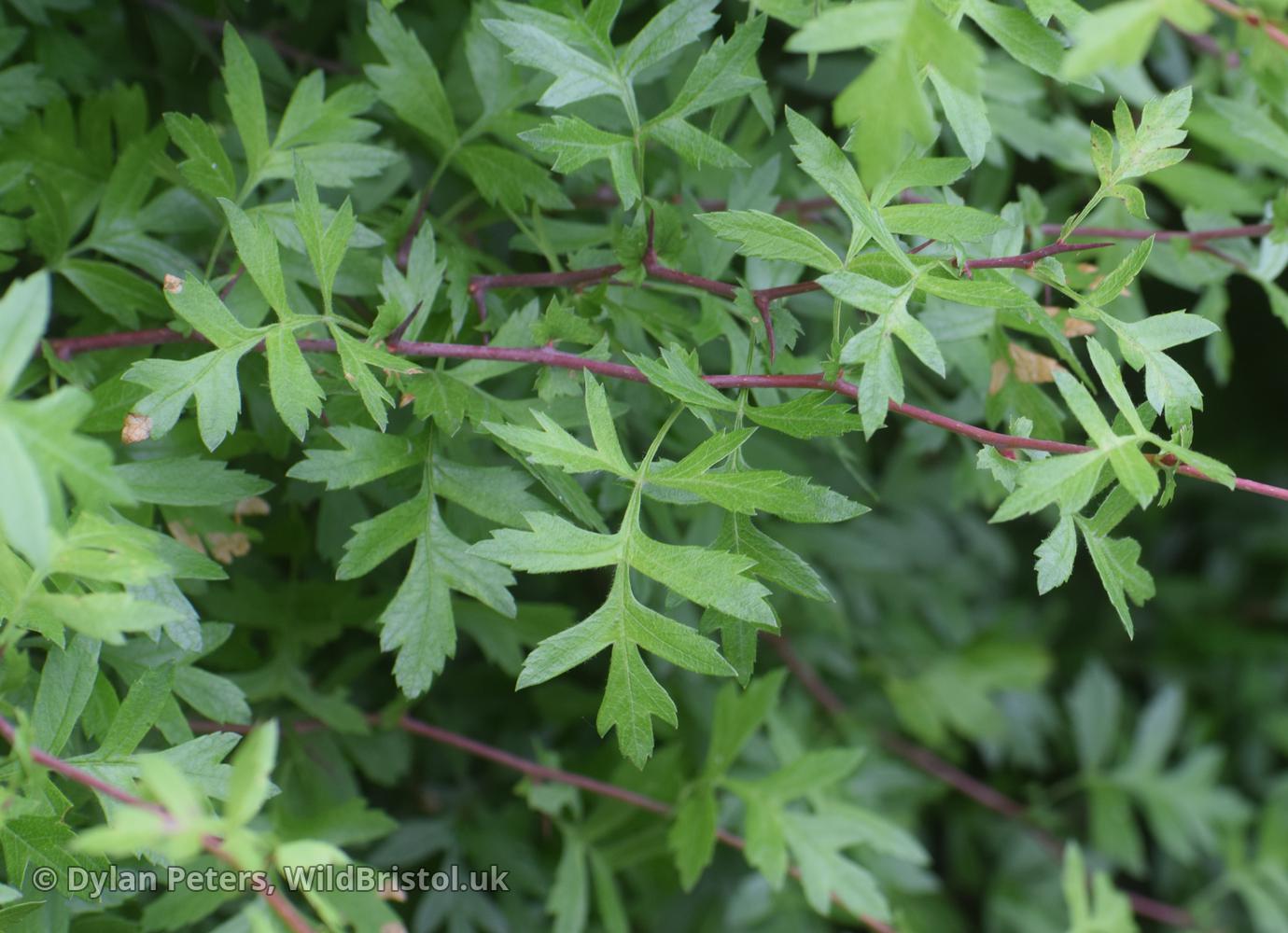
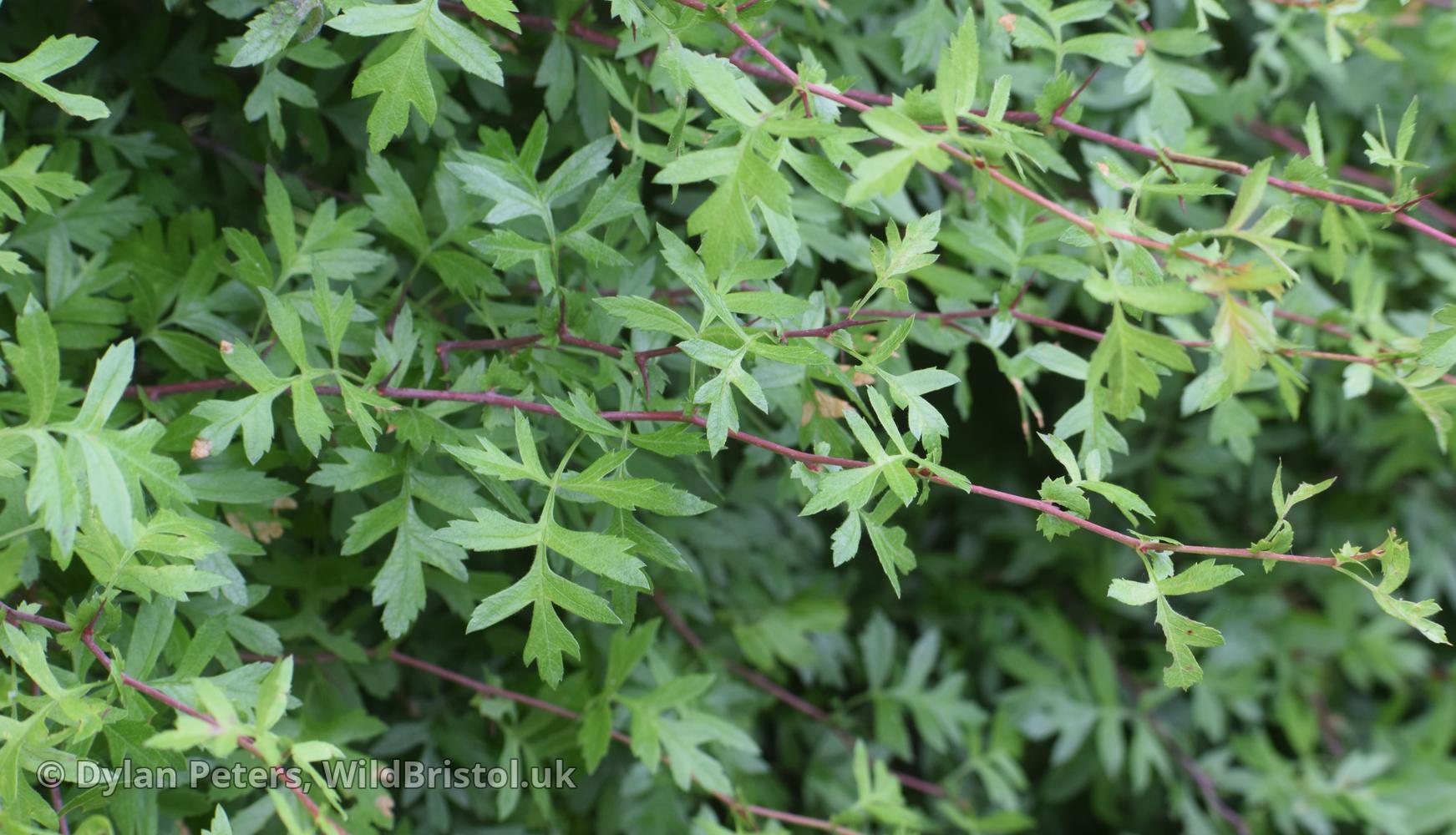
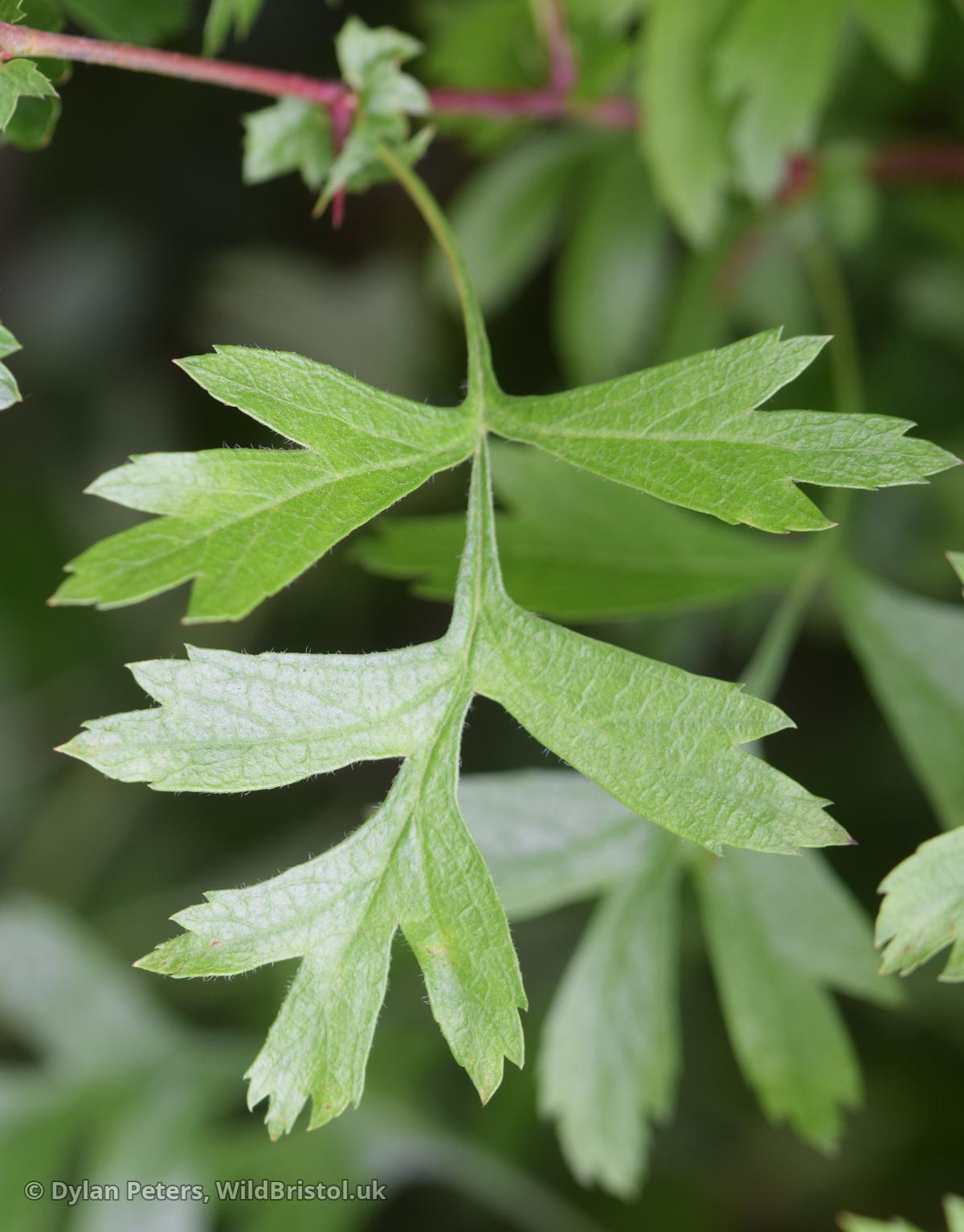
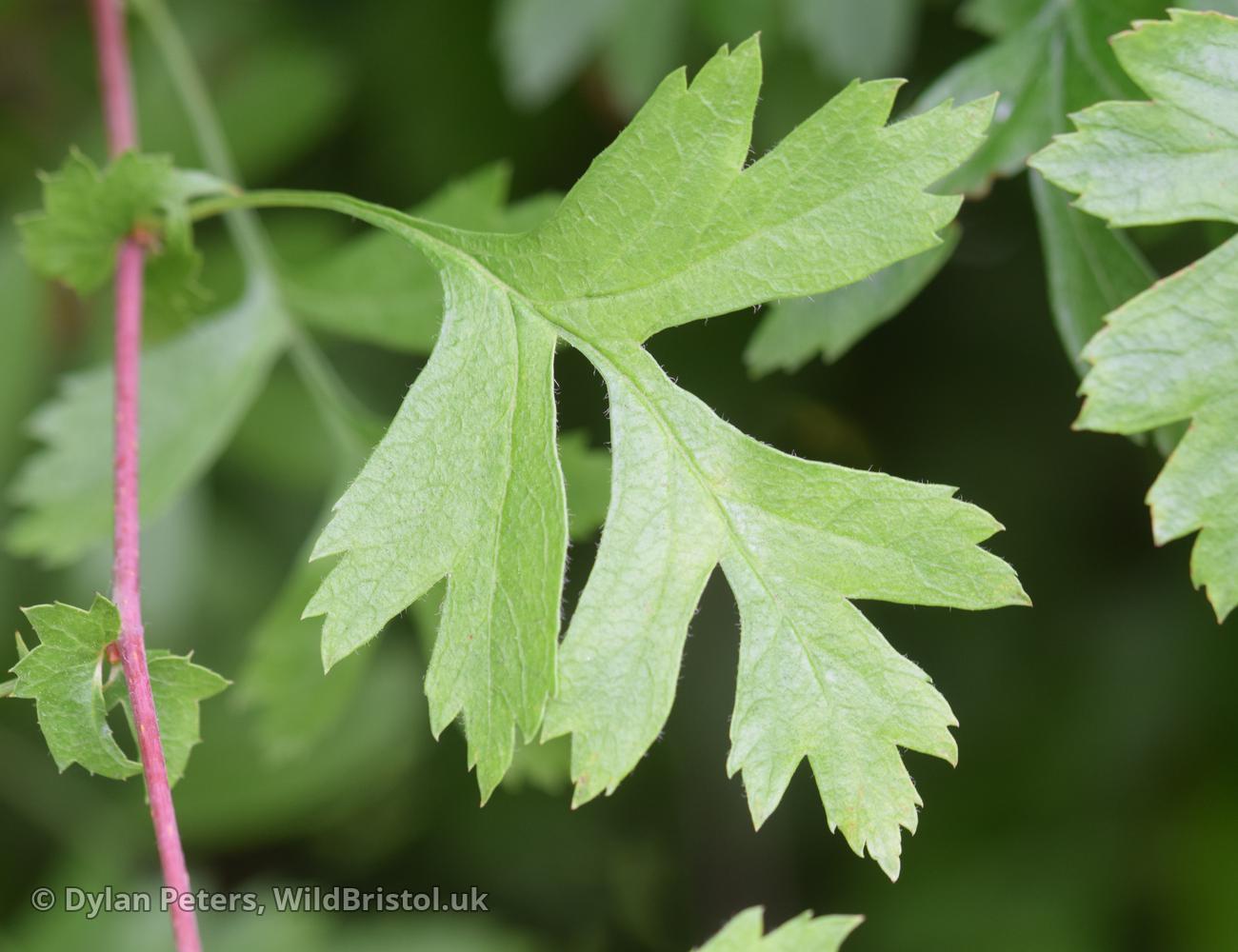
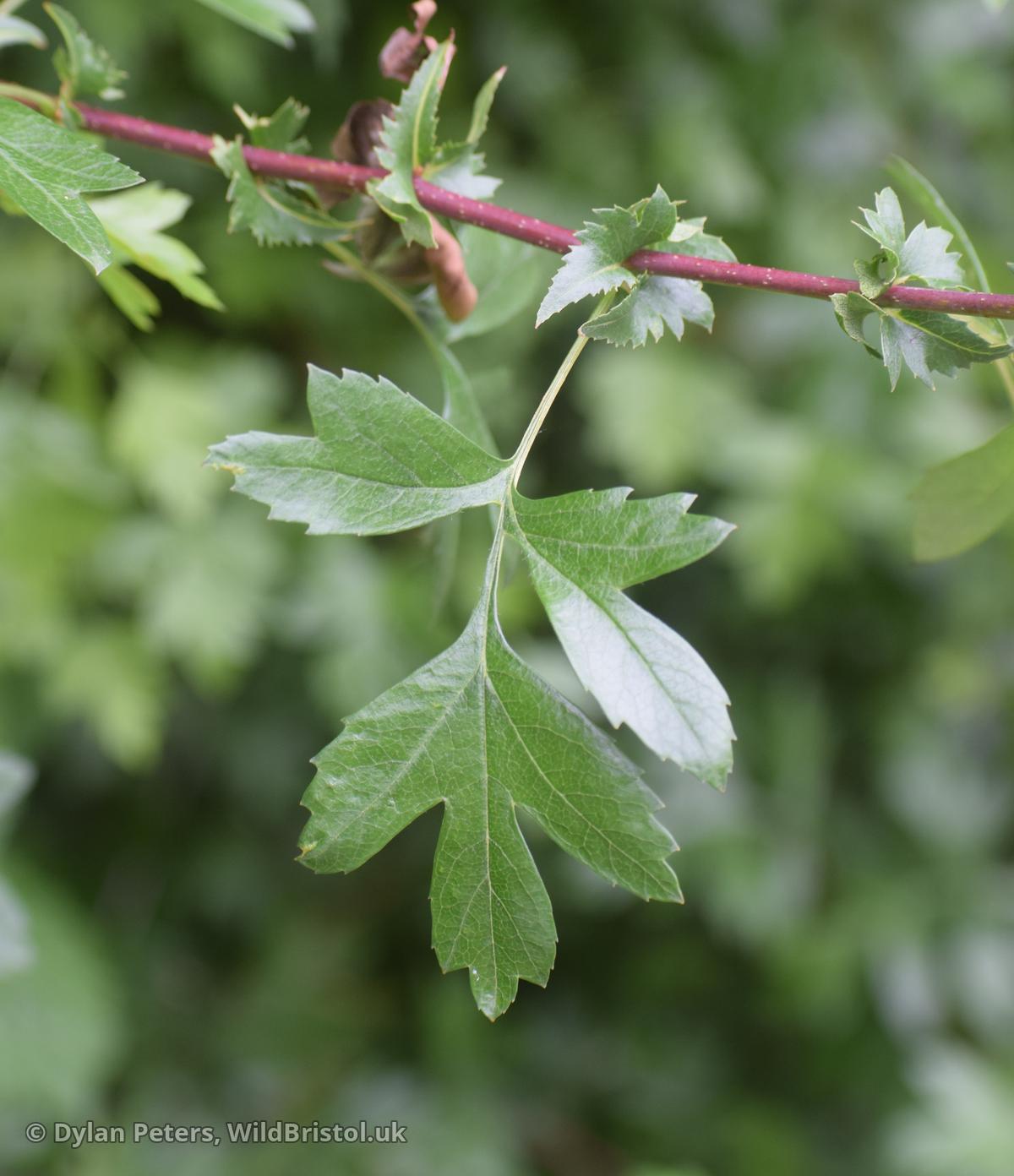
Closely related to type 85. Leaves very distinctive - triangular-ovate in outline, longer than wide with a truncate base and pointed apex, maturing a mid-green, thin and flimsy, mat, textured slightly rough and sparsely hairy on underside, more or less flat, 7-9-lobed, deeply dissected to the midrib, slightly forward-directed (the tips being above the level of the point of origin), acutely tipped, sinus acute, the basal pair oblanceolate to obtriangular in outline, narrowest at the base, separated from the rest by a long and very distinct interlobe and further deeply dissected again nearly to the central vein, the deep sinus causing the lobes to look double and face in opposite directions, often with further reduced divisions towards the apex and on the distal margin so as to create a leaf shape which is almost parsley-like, an additional interlobe is also often present between the secondary and tertiary lobes often slightly split and merging into serrations on the tertiary / terminal lobes. Stems glabrous, purple, pruinose, internodes long, spines sparse, usually only present towards the base of the stem, about 1.5 cm in length. Stipules not showy but short, simple, dove-wing shaped with equilateral serrations divided by about 1/3 - 1/2 way. No flowers or fruit yet unfortunately.
The showy parsley-like leaves with lobes cut almost to the midrib and separated by long interlobes between are unmistakeable.