Common Hawthorn type 27 - Crataegus monogyna type 27
Favourite Photos
Species Description
Distinctive. Looks similar to this.
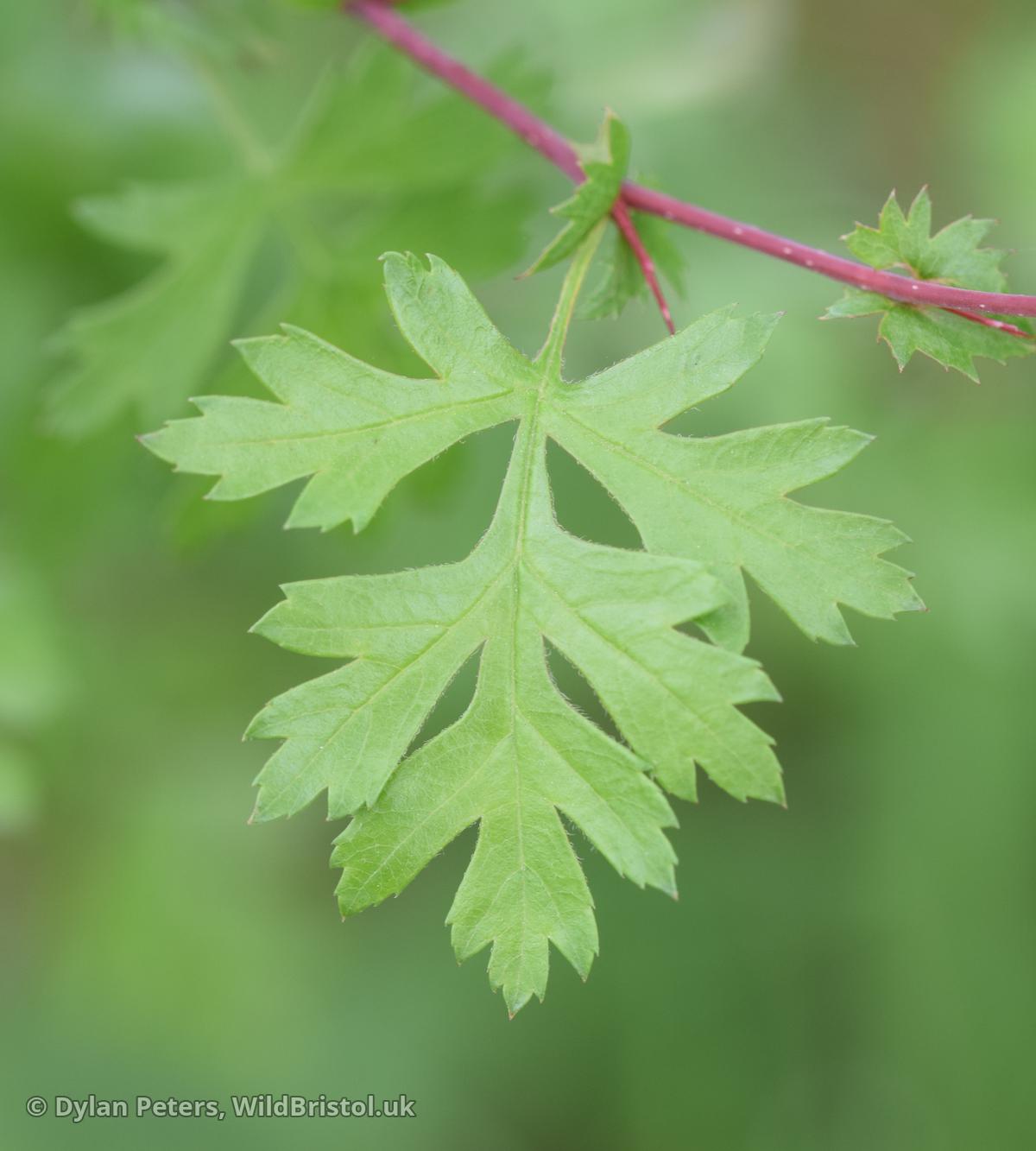
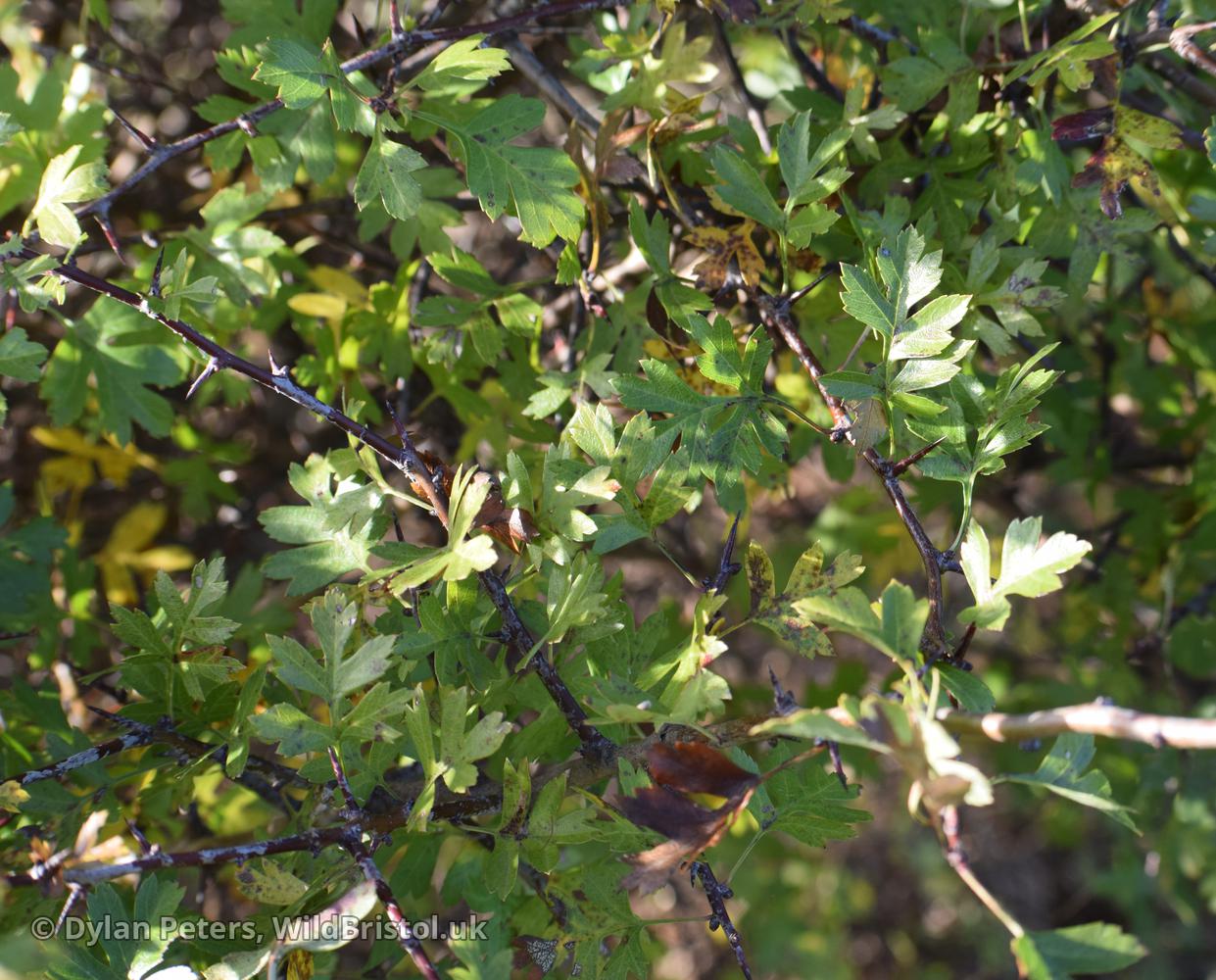
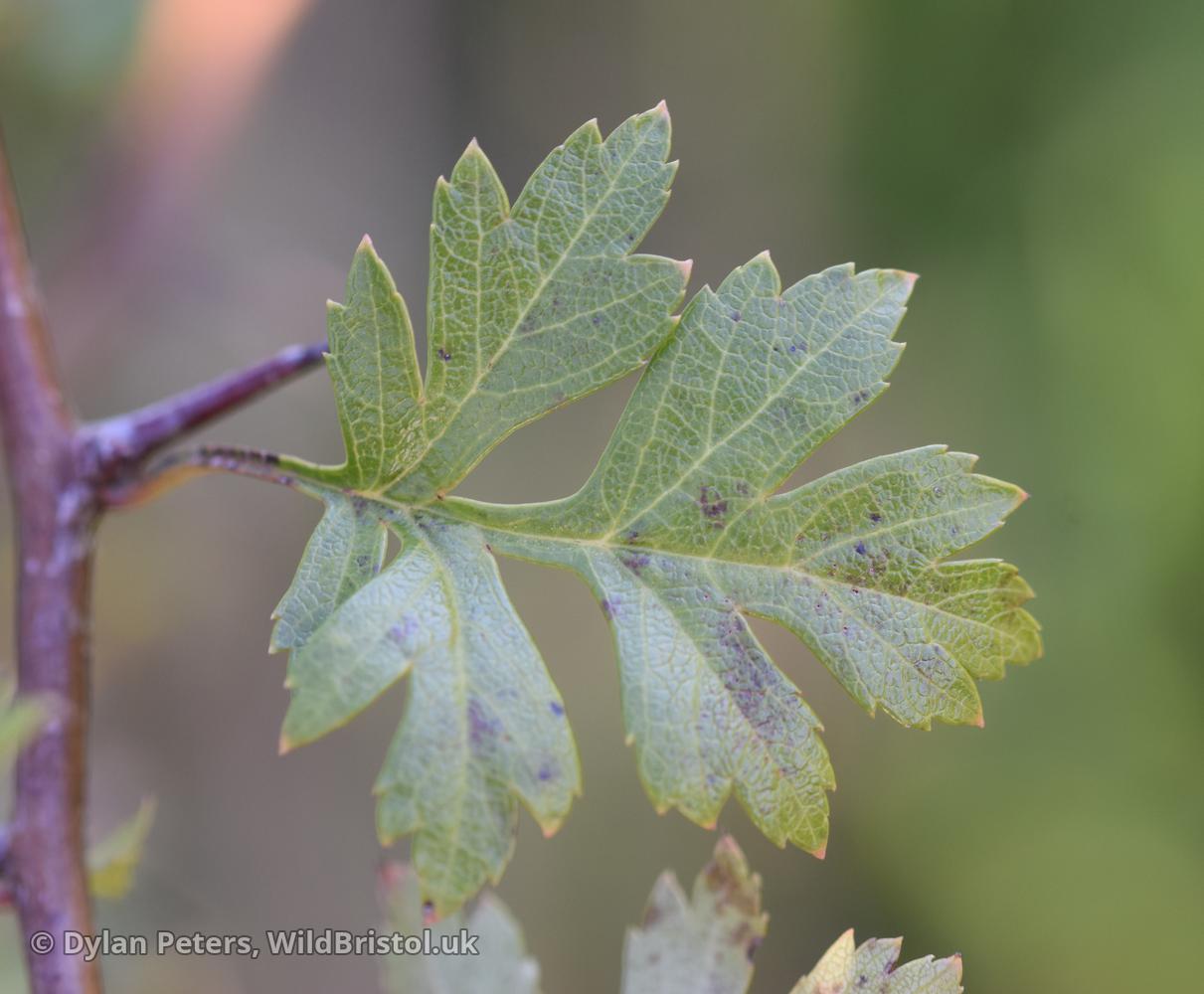
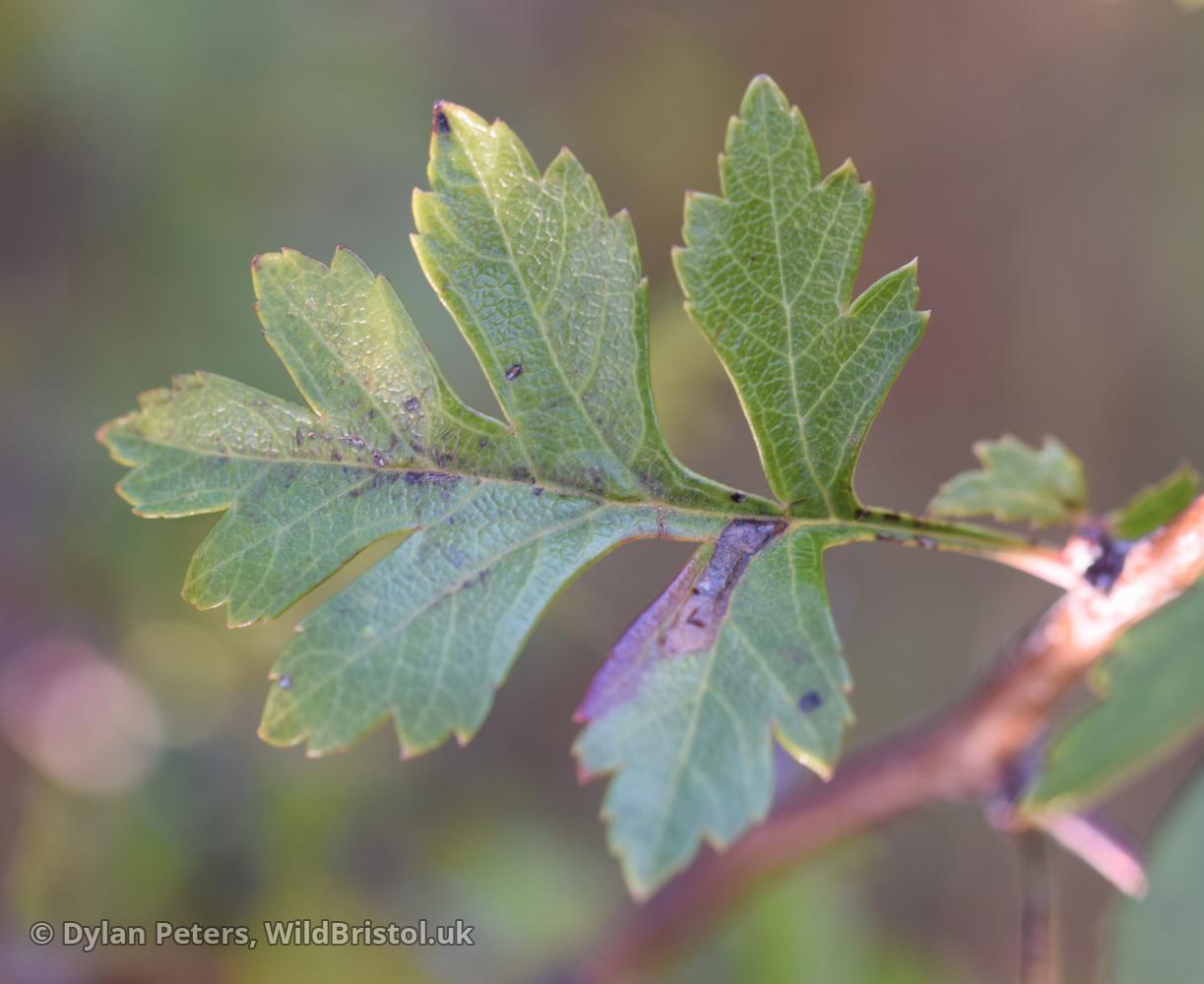
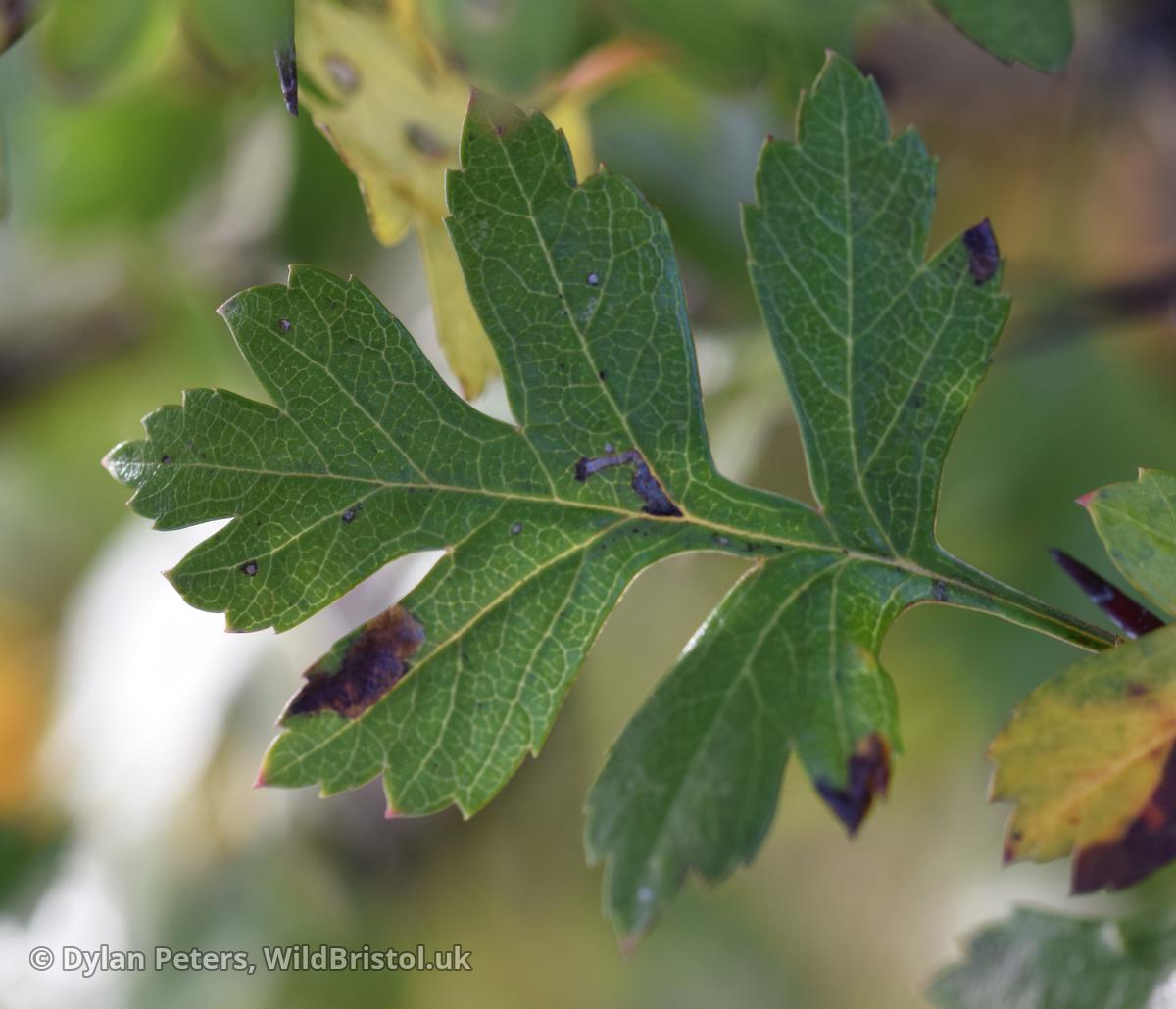
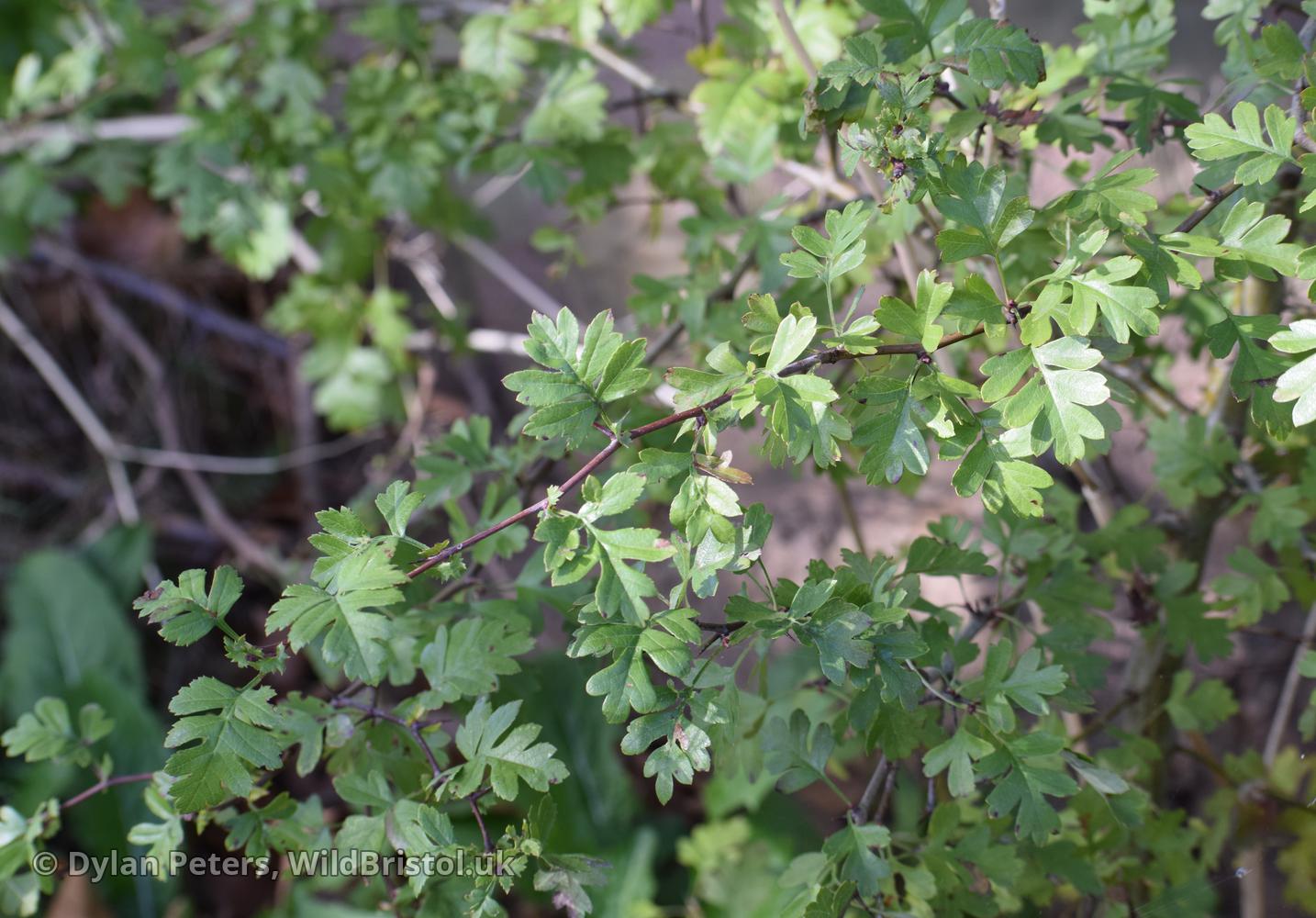
A densely structured spiny shrub with short rigid shoots and stiff small, highly dissected 'parsley-shaped' leaves with split basal lobes. A distinctive form which appears to be widespread in hedgerows and secondary woodland. Leaves ovate in outline, slightly longer than wide with a truncate base and pointed apex, maturing a mid dark-green, thick and rigid, more or less mat but with a slight gloss, textured rough and minutely hairy on upperside, more or less flat but lobes often slightly raised upwards, 5-7-lobed, deeply dissected to the midrib, slightly forward-directed (the tips being above the level of the point of origin), acute to subacutely tipped, sinus acute, the basal pair oblanceolate in outline, narrowest at the base, separated from the rest by a short but distinct interlobe and further deeply dissected by about half to two thirds way to the central vein, the deep sinus causing the lobes to look double and face in opposite directions, often with further reduced divisions towards the apex and on the distal margin so as to create a leaf shape which is almost parsley-like at its extreme, secondary lobes often slightly split and merging into serrations on the tertiary / terminal lobes. Stems glabrous, purple, pruinose, internodes short, spines plentiful, short, sturdy, about 8 mm in length. Stipules not showy but short, simple, dove-wing shaped with equilateral serrations divided by about 1/4 way. Fruits ellipsoid, hairy, ripening a dark red, sepals recurved.
What may be the same thing - Natural History Museum and this