False Marklund's Dandelion - Taraxacum pseudomarklundii
Favourite Photos
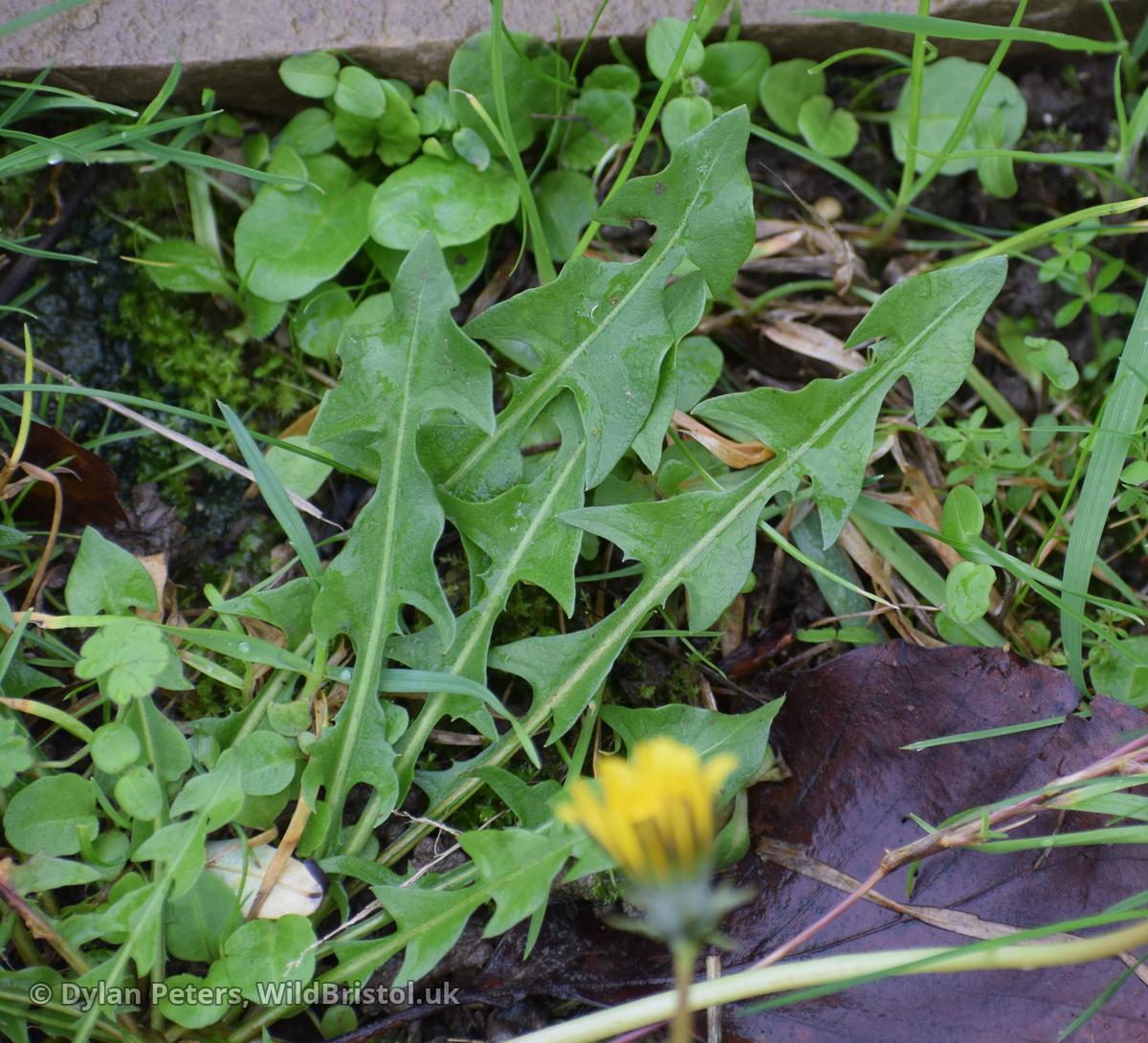
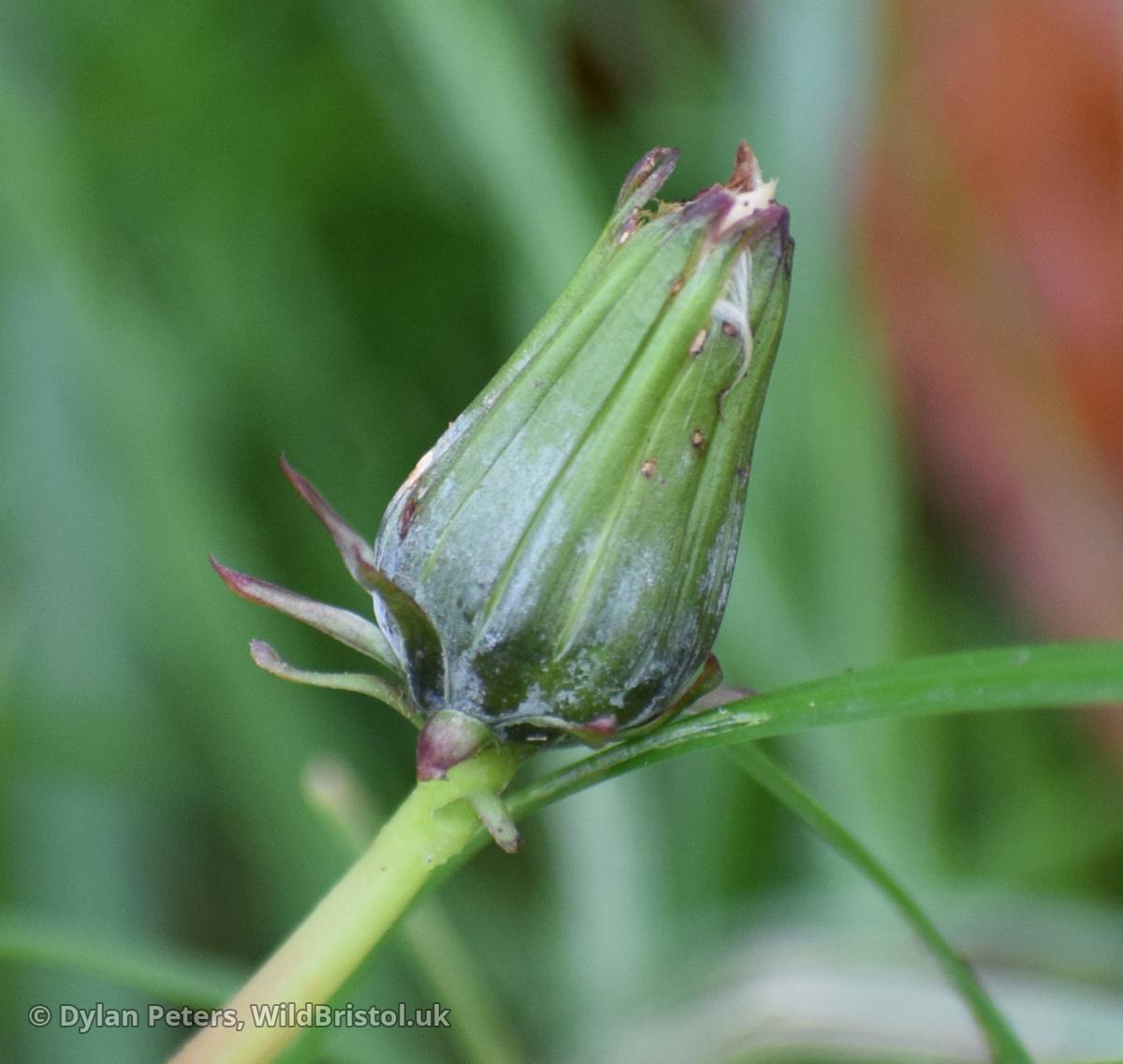
Species Description
Rare and localised to South Devon where it can be common from the South Coast to high on Dartmoor. There is one record from Ireland. Habitat includes: steep grassy banks, narrow sunken lanes etc. It may be introduced elsewhere such as in the case of my record where a wildflower seed mix (originating from EMORSGATE SEEDS) had been sown the previous year.
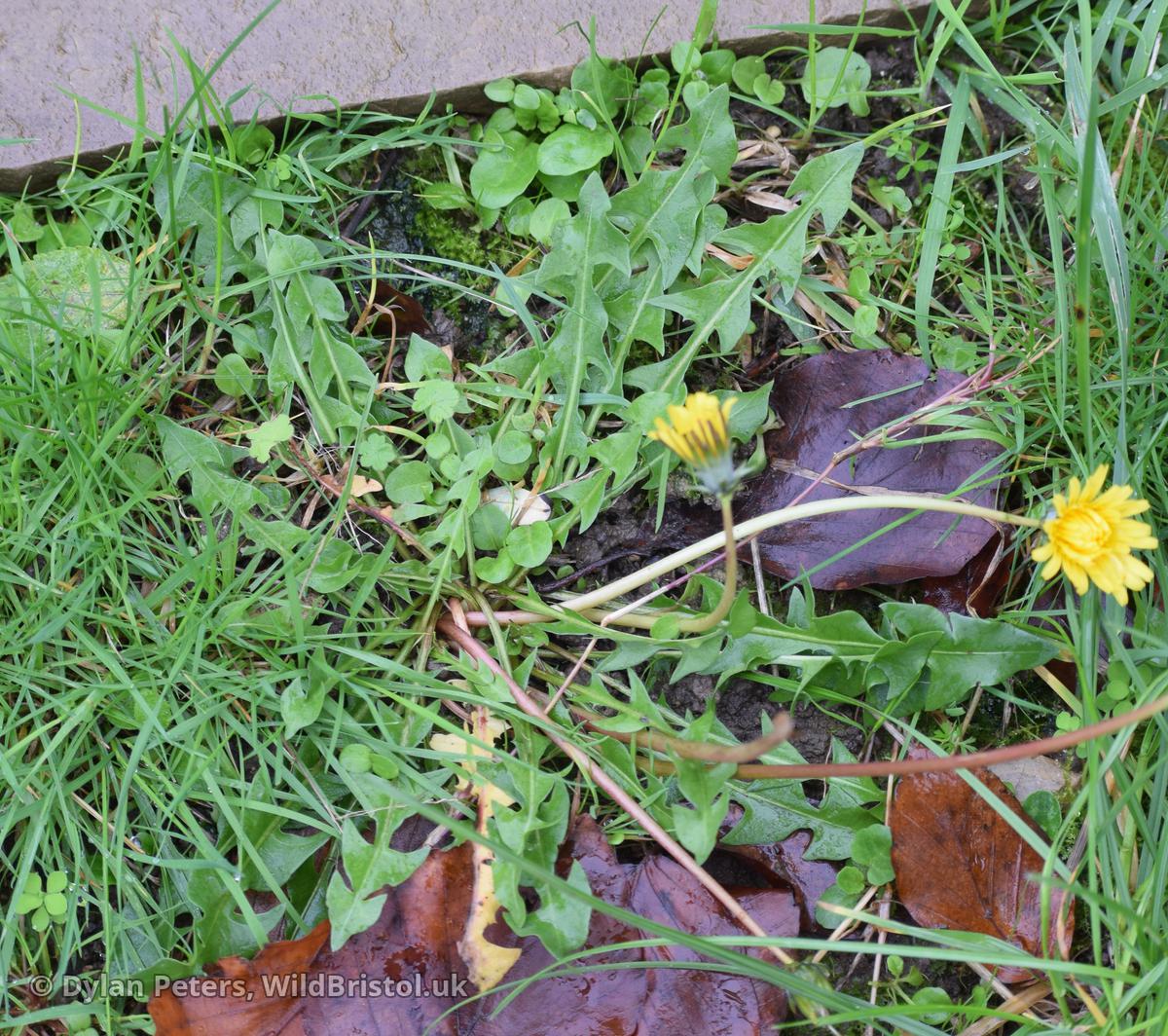
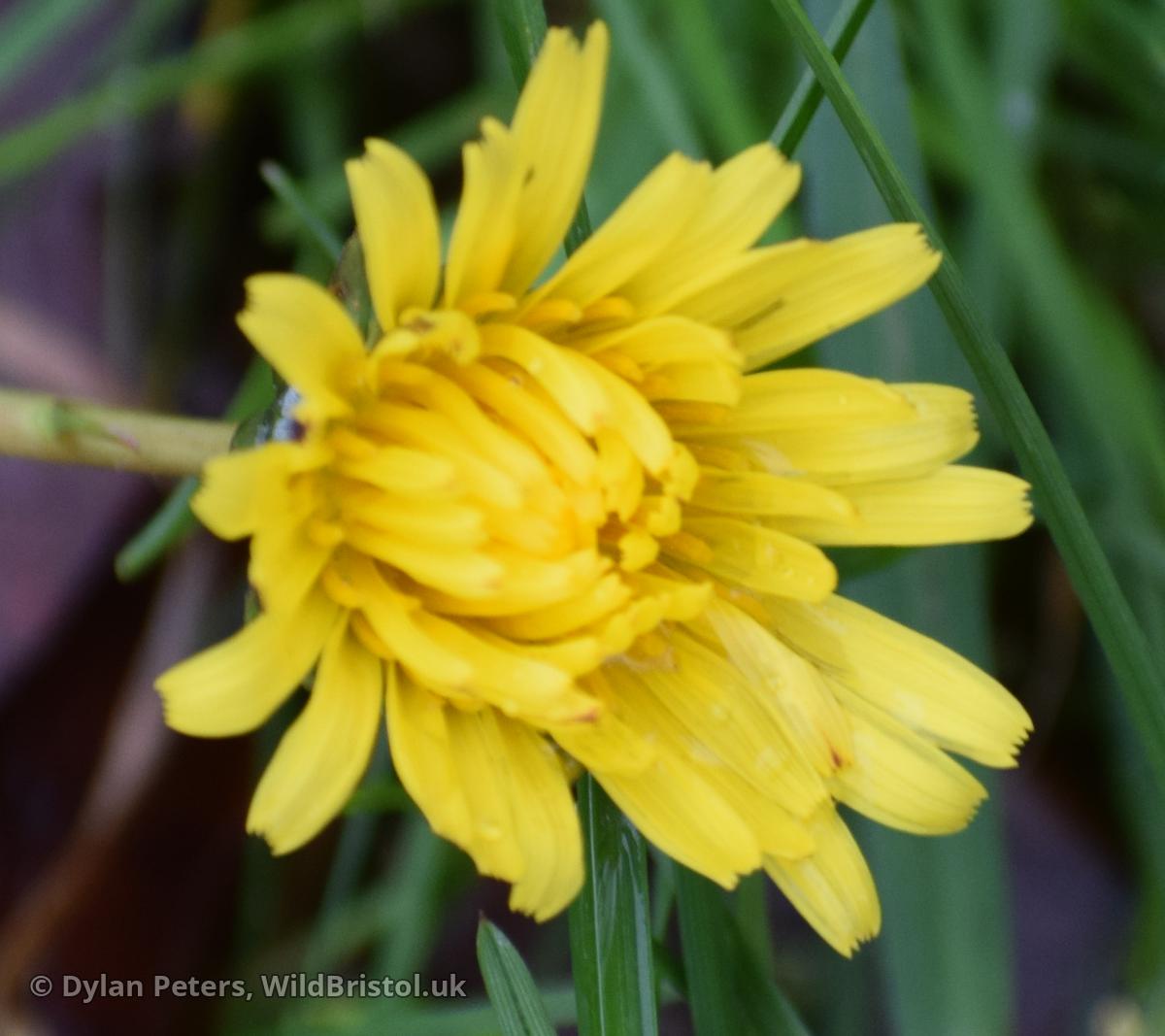
Probably T. pseudomarklundii (False Marklund's Dandelion). Possibly introduced through the wild flower seed mix when creating the meadow.
- Petioles and midribs green
- 3 pairs of lateral lobes
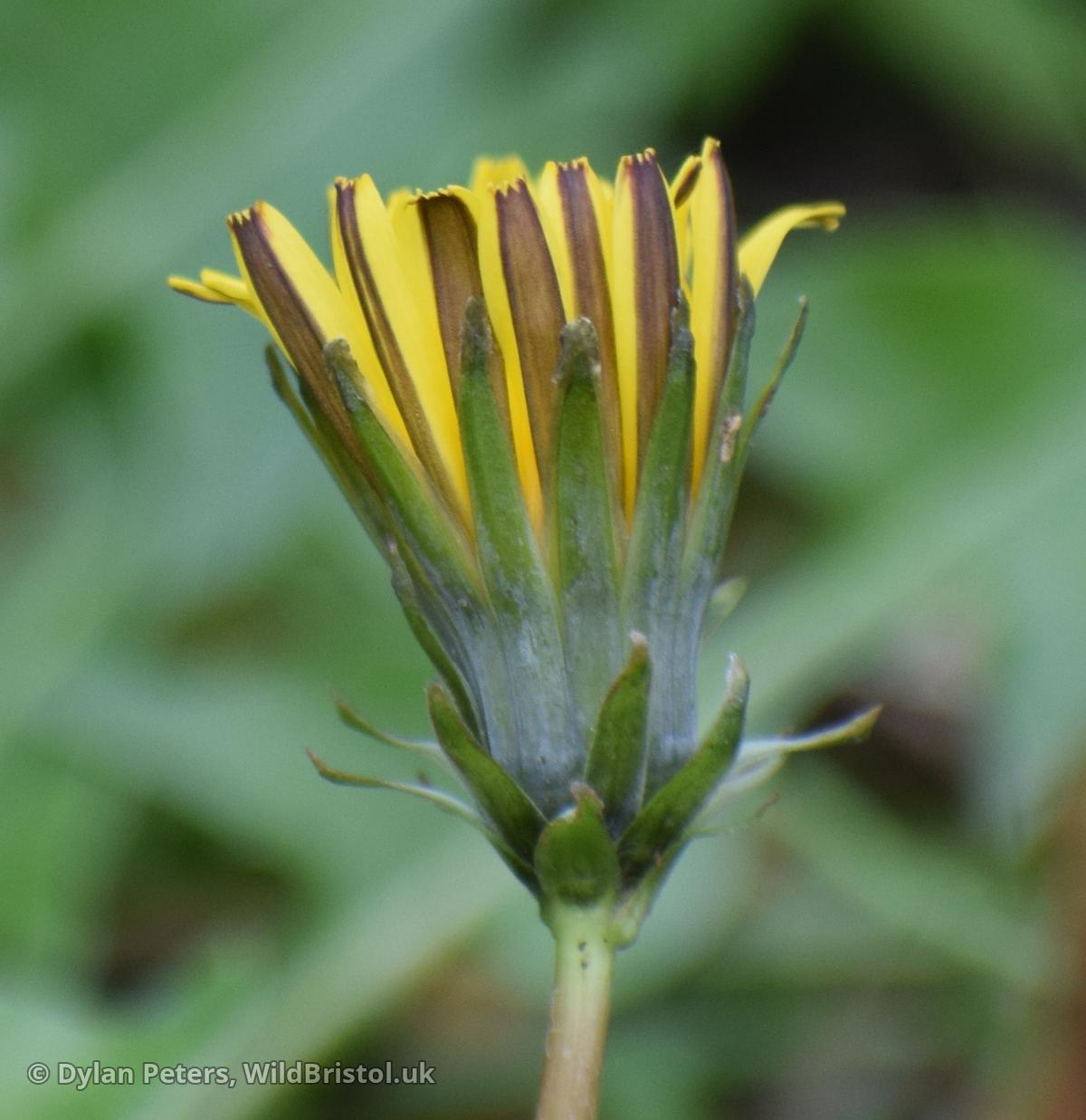
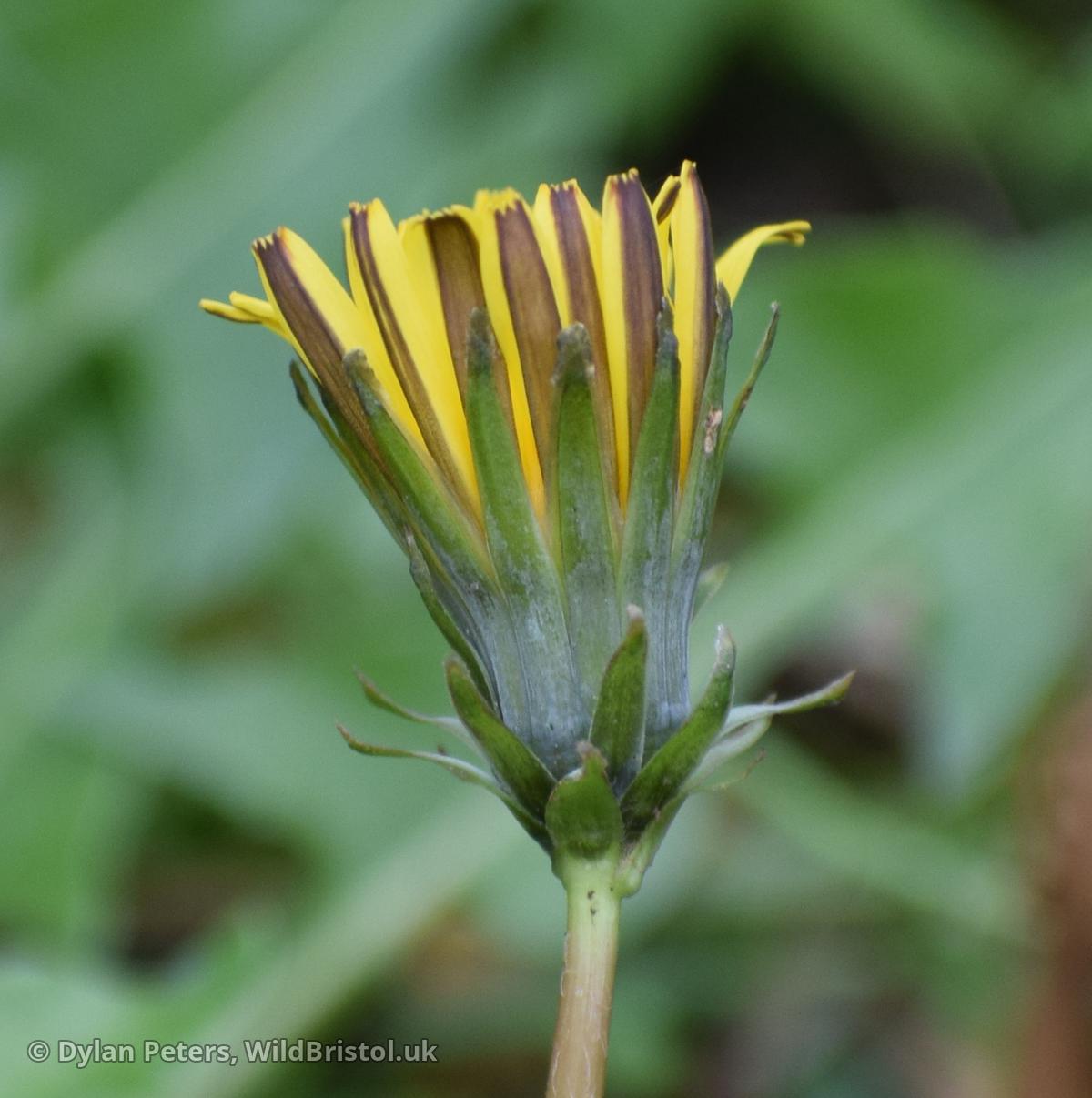
- Outer phyllaries erect spreading
- Ligules purple-brown
- Ligule-teeth brown
A. J. Richards:
Plant small to medium-sized, with decumbent to ascending, thin, flat, heterophyllous leaves. Leaves mid-green, spathulate, marked on the top-surface with discrete irregular black spots, or unspotted, glabrous, mid-rib greenish; petiole unwinged proximally, purple. Lateral leaf-lobes 2-4, 'shaped like an eagle's beak', broad, recurved, strongly convex on distal margin, apex acute, pointing downwards, proximal lobes dentate. Terminal leaf lobe entire, rounded with an acute, excurrent apex. Scapes erect, equalling leaves, green or suffused rose, slightly hairy. Exterior bracts 7-10 x 3-4 mm, erect, pruinose, dark blue-green outside, conspicuously white-bordered. Capitulum 30 mm diameter, orange-yellow. Ligules striped dark grey, inner florets with purple teeth. Stigmas dark yellow, drying blackish; pollen plentiful. Achene body 3.8 mm, torpedo-shaped, cone obsolete.
The erect, dark, white-bordered exterior bracts and blackish stigmas resemble those of T. britannicum. However, the distinctive leaf-shape is unlikely to be mistaken, even if spotting is absent. Continental forms lack pollen, but seem identical otherwise.
Native. South Devon, where it is locally common from the south coast to high (305 m) on Dartmoor. Most sites are on steep grassy banks of narrow sunken lanes. One Irish record. North West Spain, South West France.
Key:
- Leaves subglabrous, thin; terminal lobe obtuse to rounded; exterior bracts few; achene spines absent or few, leaf spots inconstant
- Terminal lobes of inner leaves mucronate; interlobes often present; exterior bracts bordered (Devon)
Useful Links:
GBIF (apparently changed its name to T. duriense)