WildBristol.uk - Discovering Wildlife in Bristol

Large-sepalled Hawthorn - Crataegus rhipidophylla subsp. rhipdophylla

Favourite Photos
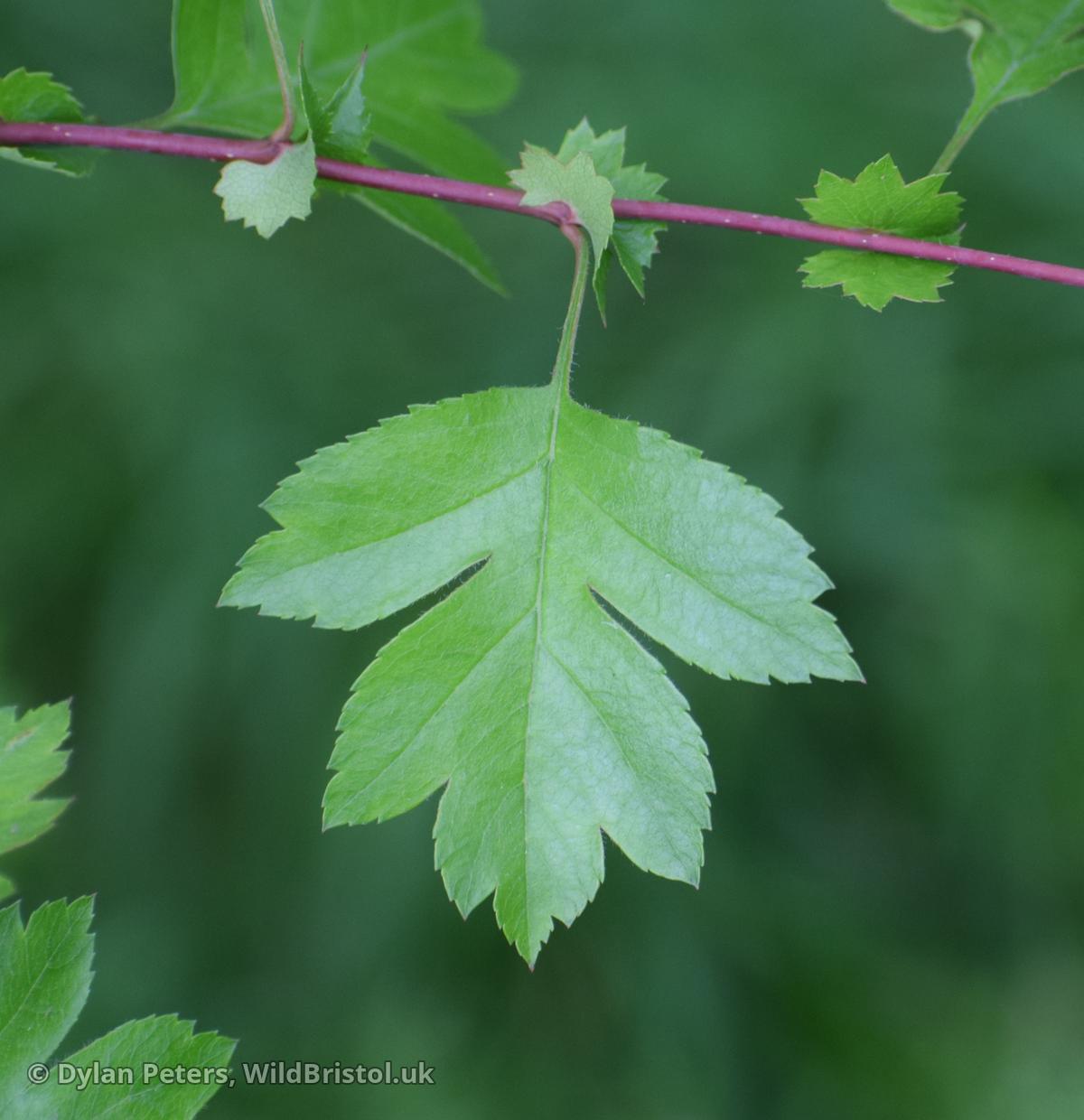
image species author location uploaded taken select
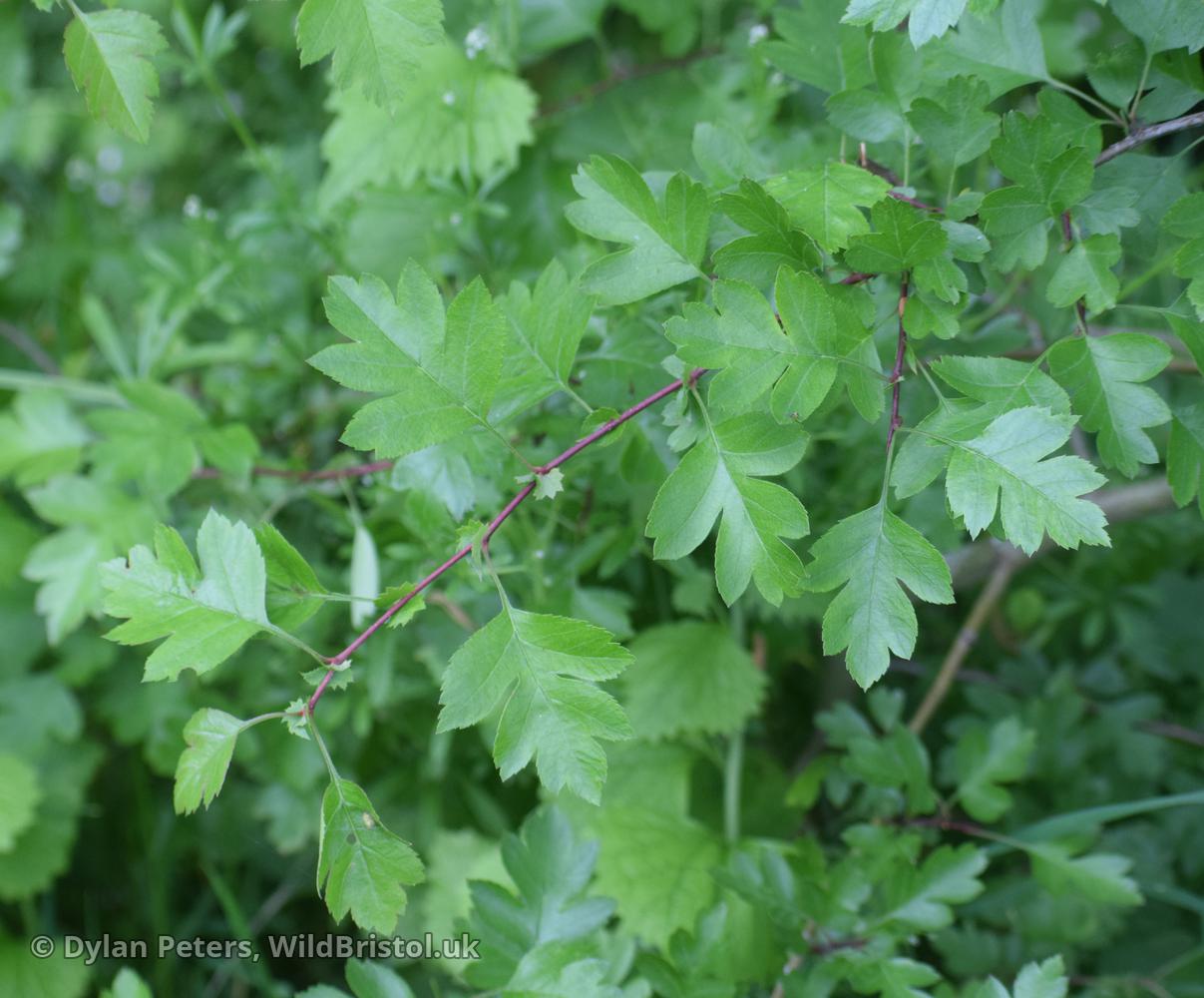
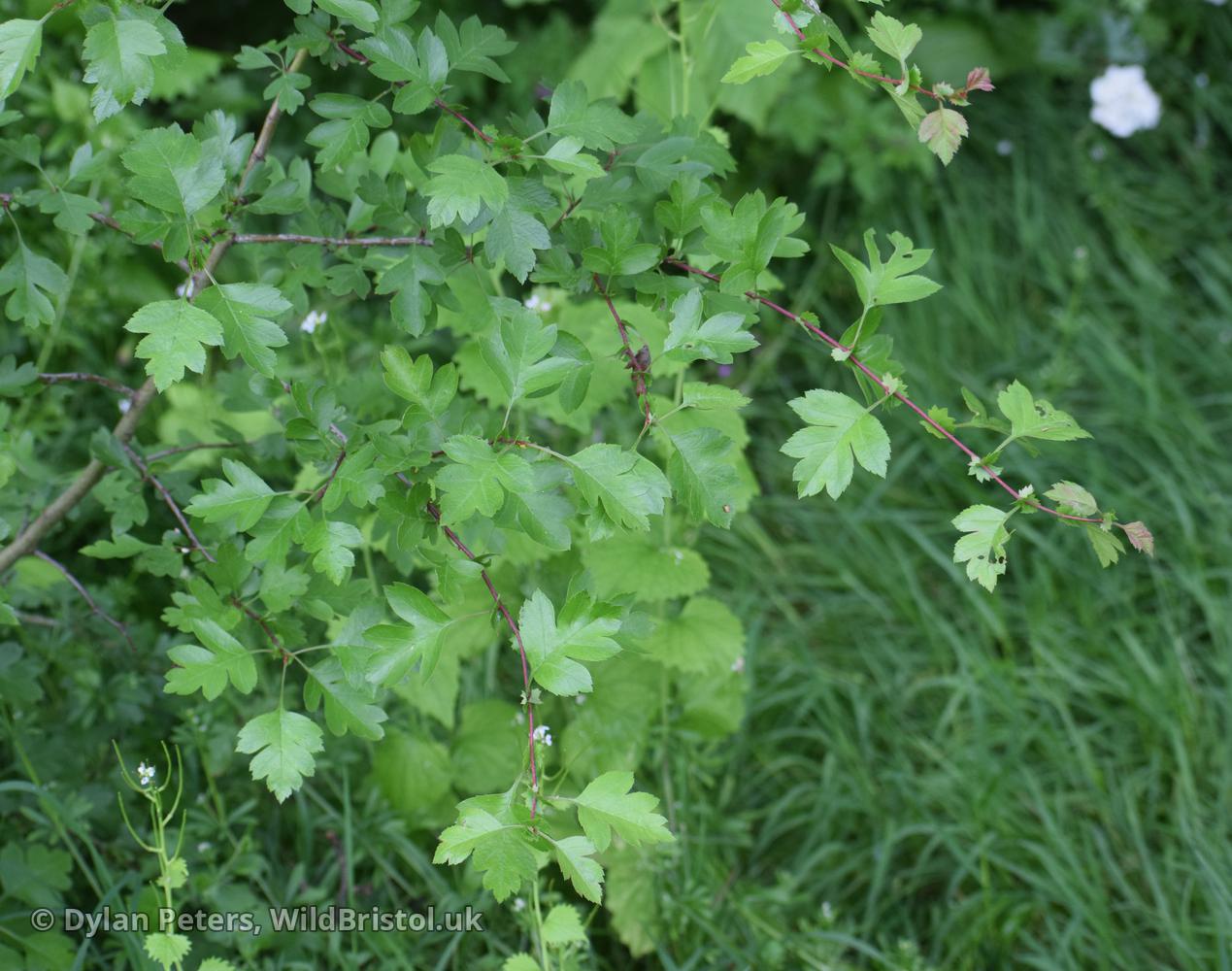
Large-sepalled Hawthorn Large-sepalled Hawthorn - Crataegus rhipidophylla subsp. rhipdophylla dylan Horfield Common 24 Mar 2026, 2:02 a.m. 3 May 2026, 4:52 p.m.
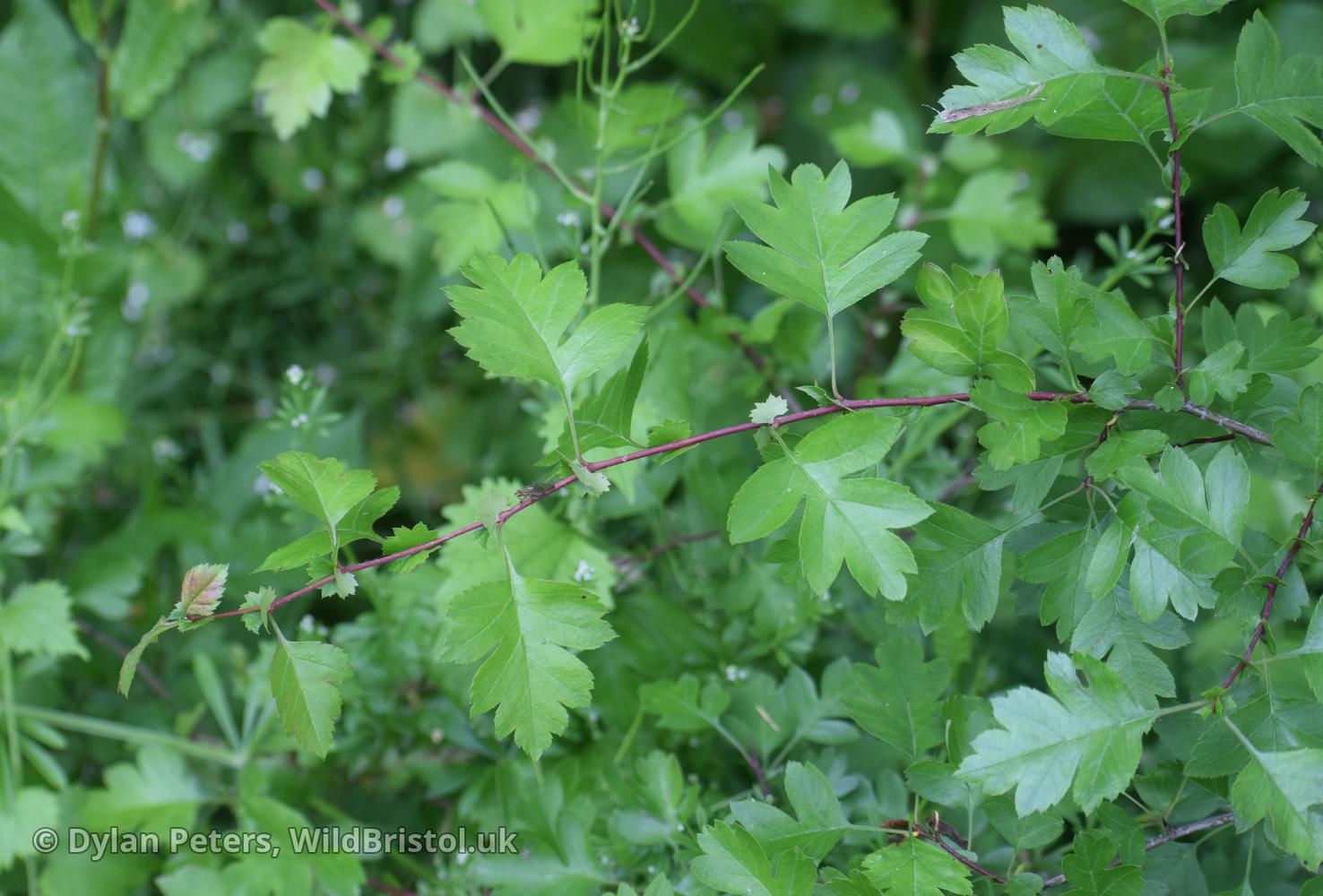
Large-sepalled Hawthorn Large-sepalled Hawthorn - Crataegus rhipidophylla subsp. rhipdophylla dylan Horfield Common 24 Mar 2026, 2:02 a.m. 3 May 2026, 4:53 p.m.

Species Description

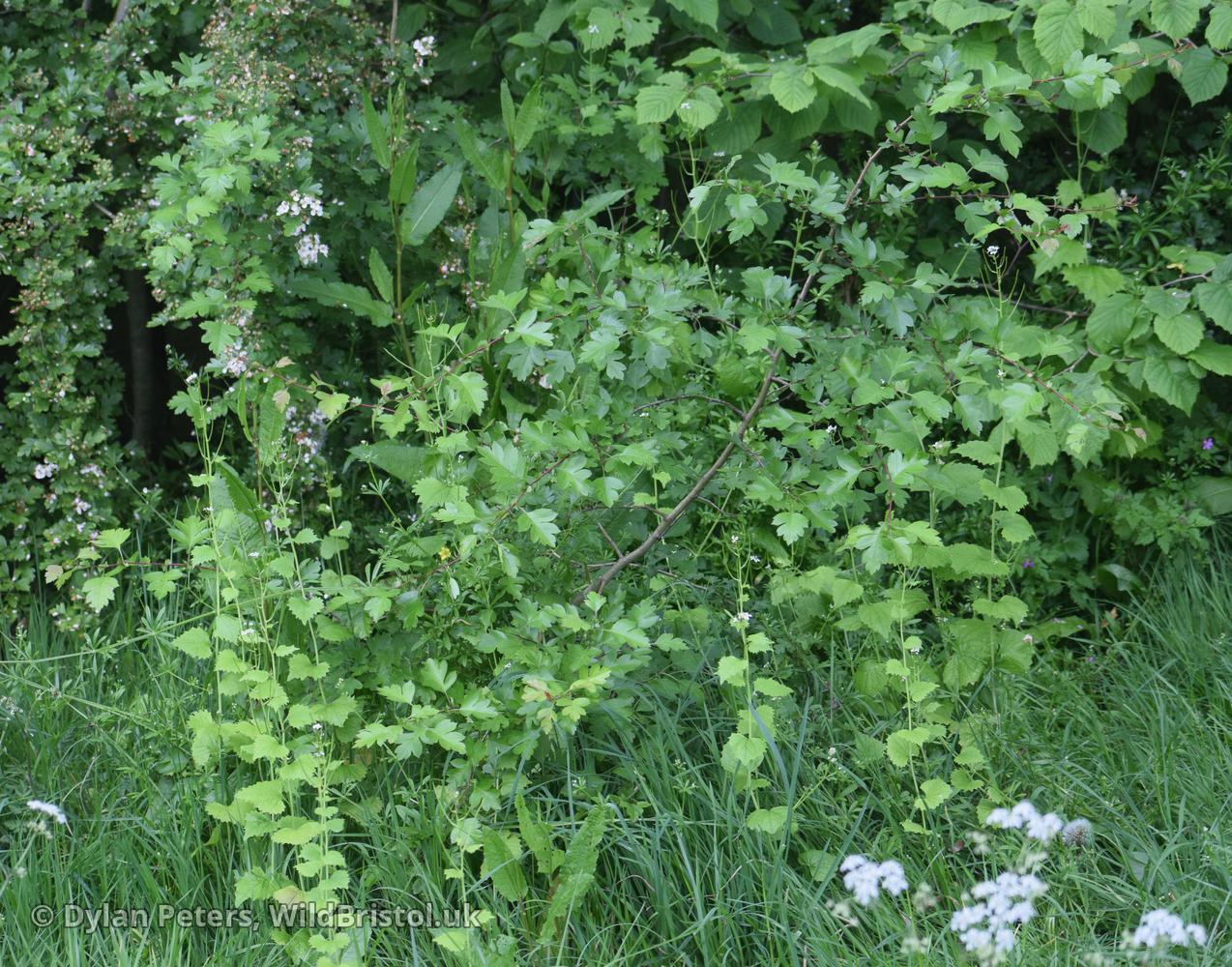
Poorly recorded but probably widespread in recently planted hedges and self-seeding into nearby ground.

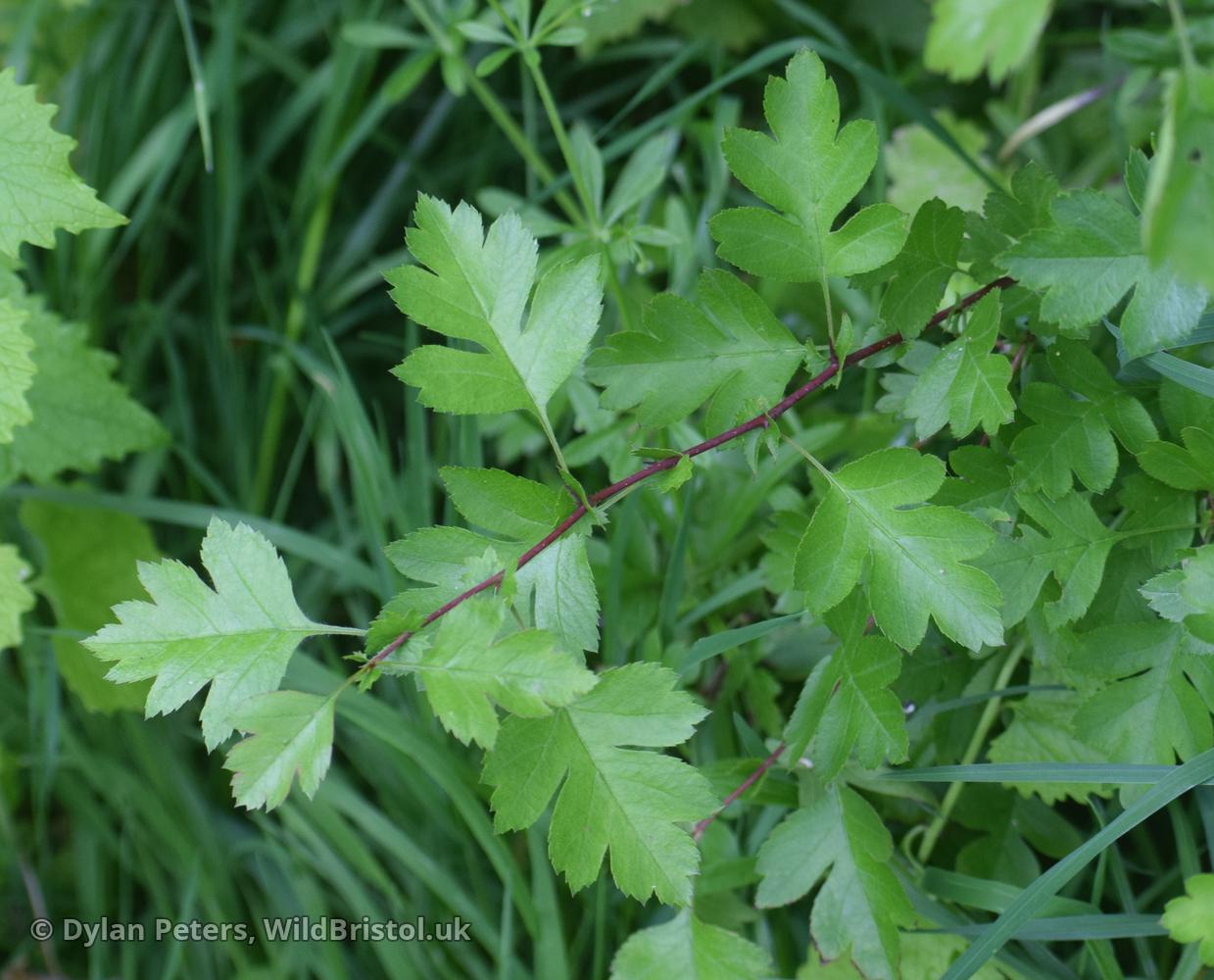
In this subspecies the fruits are slightly longer than wide, the sepals are notably longer than wide and are patent. Also the leaves on first year shoots are distinctive but difficult to describe. They are thick, 5-7-lobed, cut to about half way to the midrib with convex margins converging into abruptly pointed tips, the lobes above the basal pair are almost forward-pointed due to the wide-angled sinus (almost 90°), giving the leaf a 'stepped outline', and have a rounded base with small serrations which run a fair distance along the base towards the petiole.

Stace 4:

Ssp. rhipdophylla (C. calycina ssp. curvisepala auct.).

Sepals patent at fruiting, 1.3-2.5x as long as wide; fruits ellipsoid to subglobose; lowest leaf-lobes on leading shoots with (4)5-13(15) teeth between apex of leaf-lobe and apex of petiole.

Useful Links:

ResearchGate

Kew