Common Hawthorn type 120 - Crataegus monogyna type 120
Favourite Photos
Species Description
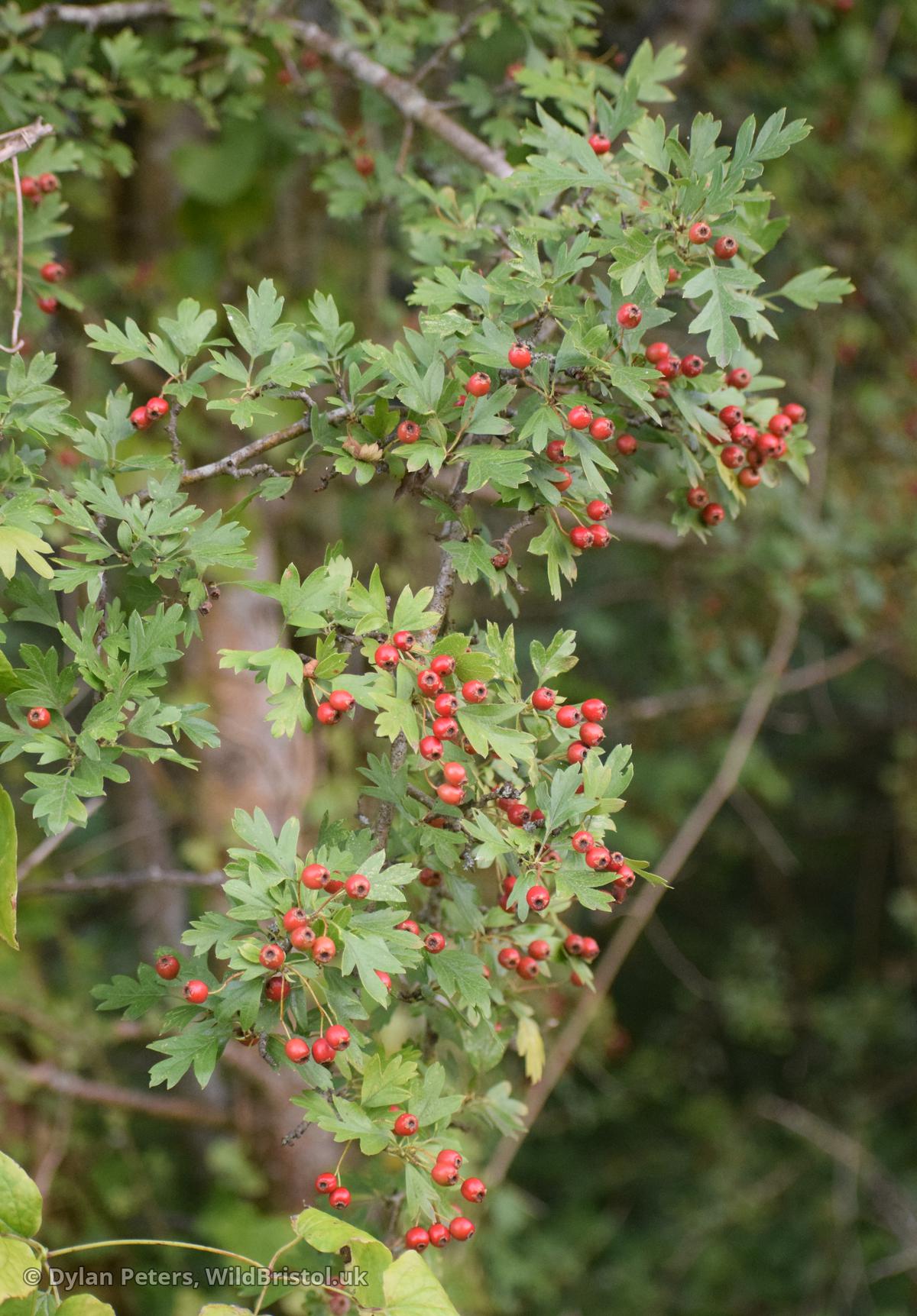
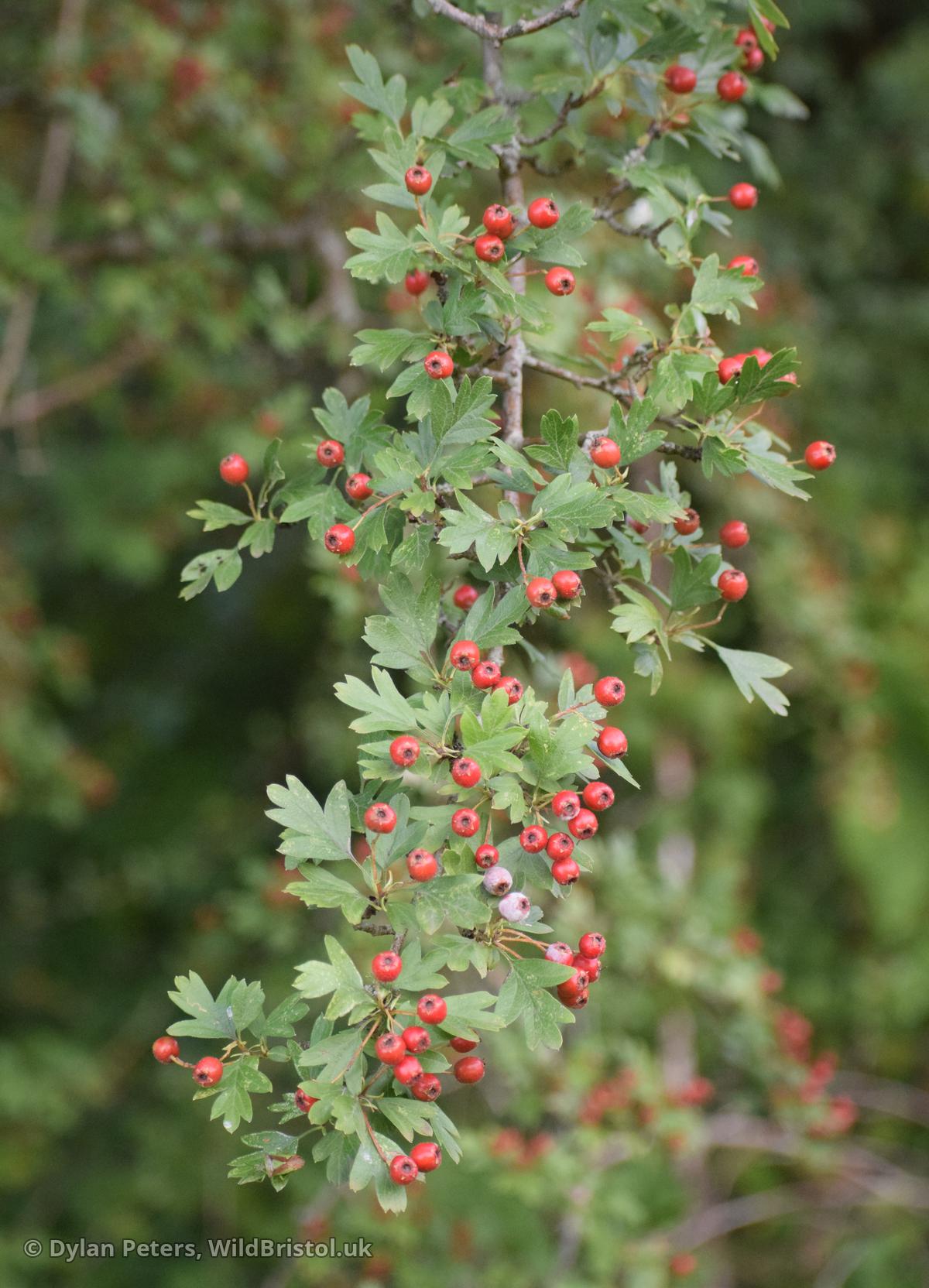
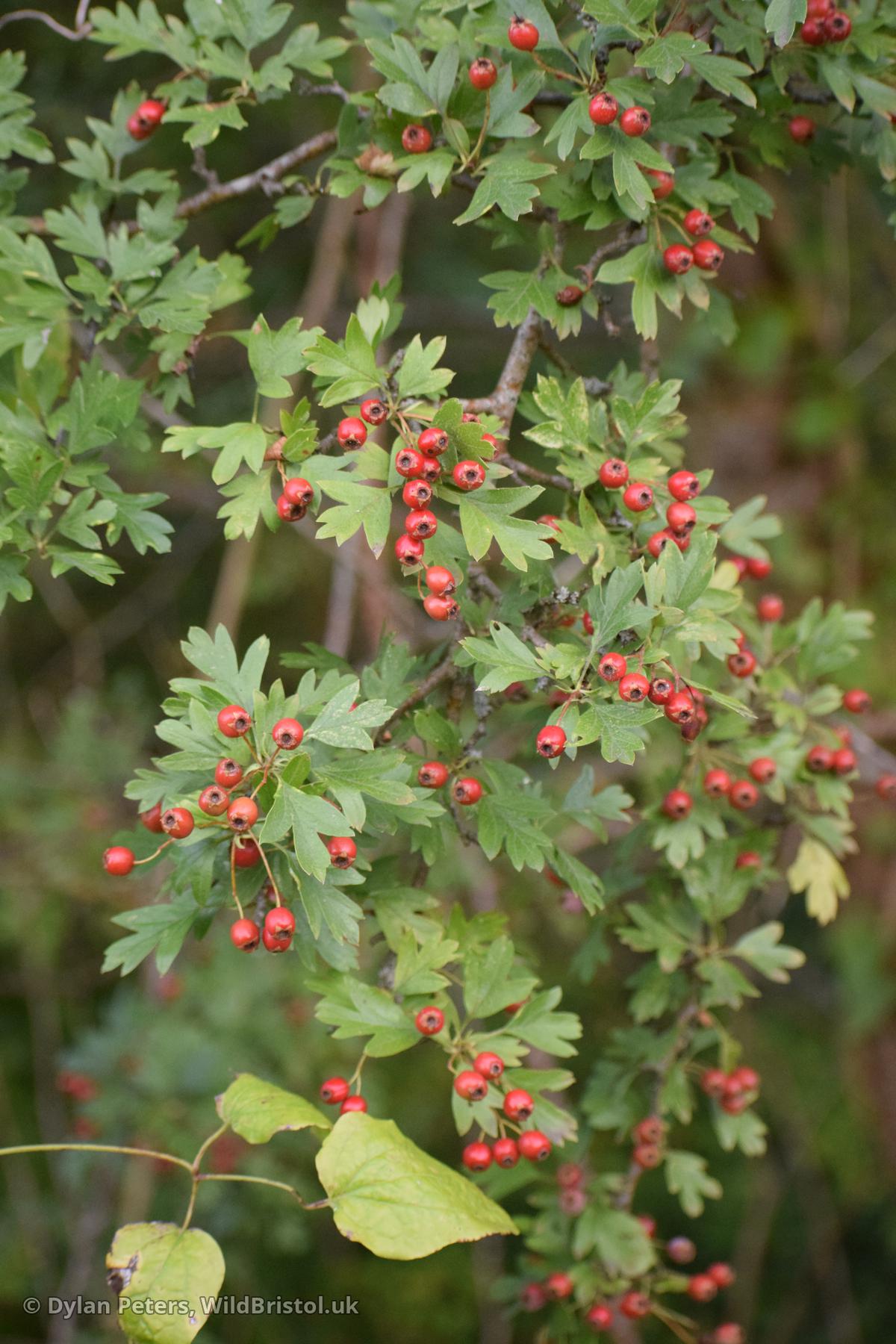
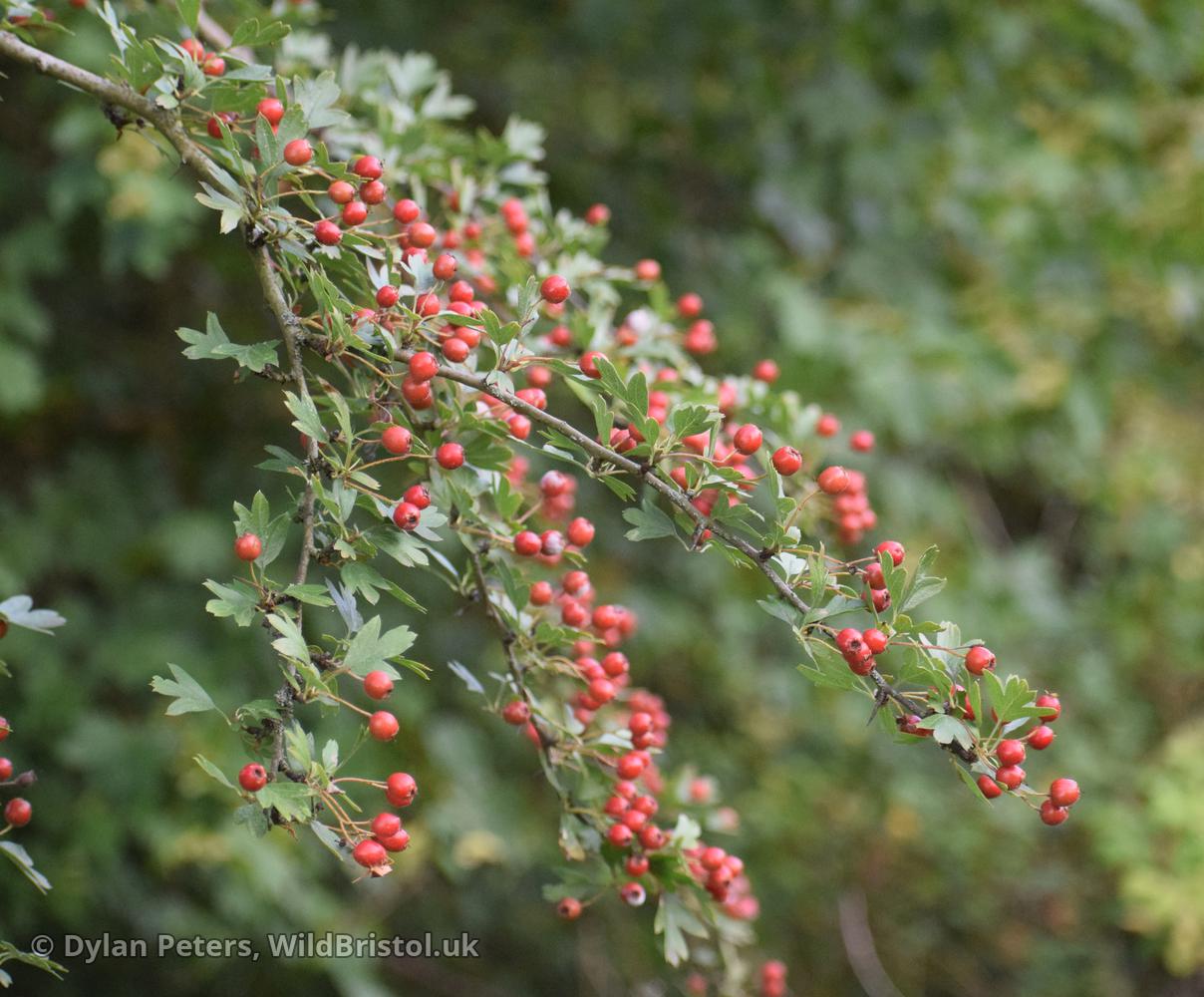
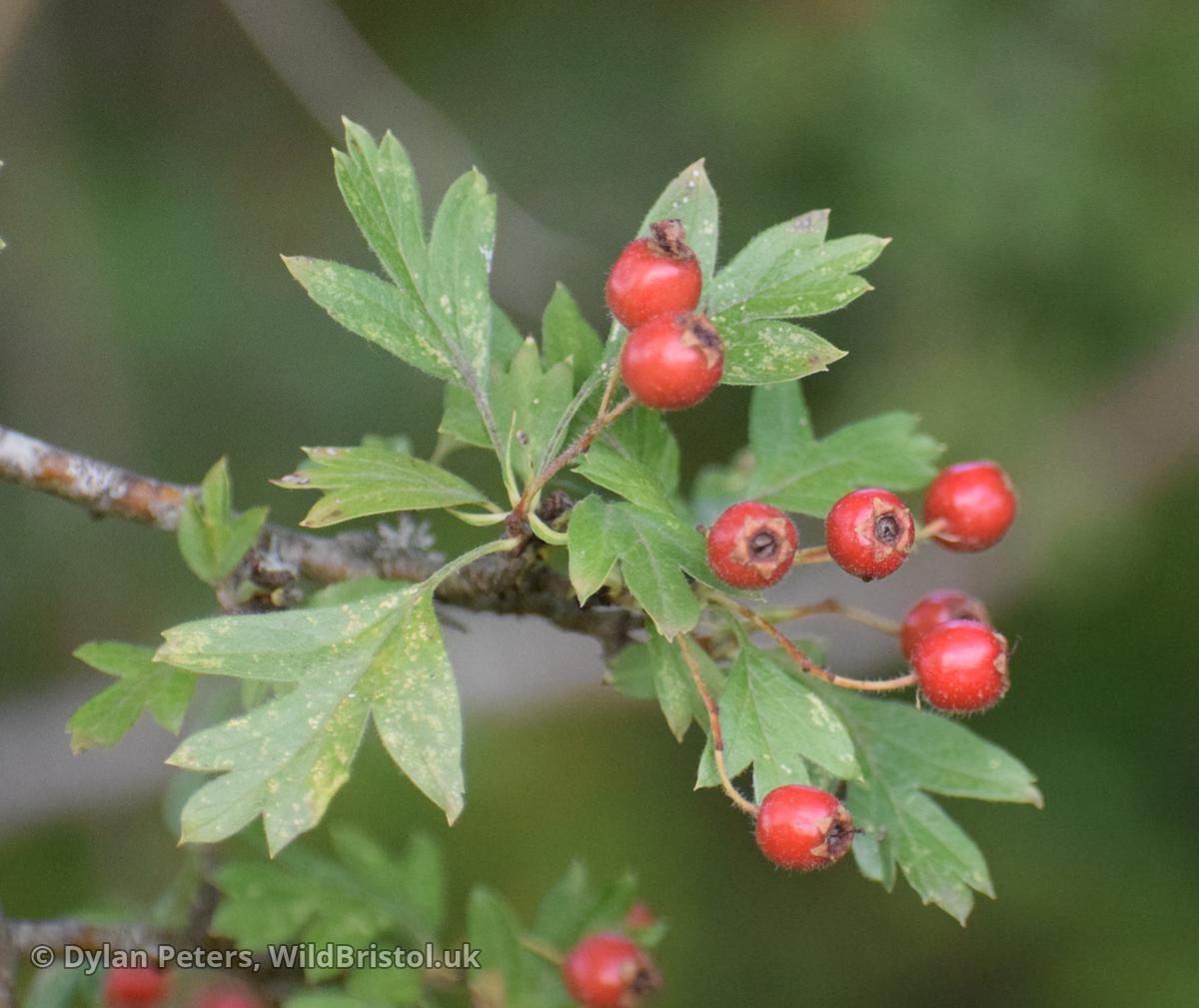
Similar to type 93. A notable feature is the presence of twin spines towards the apex of new shoots, very hairy and interesting leaf-shape. If described, name as C. bi-spinosa (Twin-spined Hawthorn).
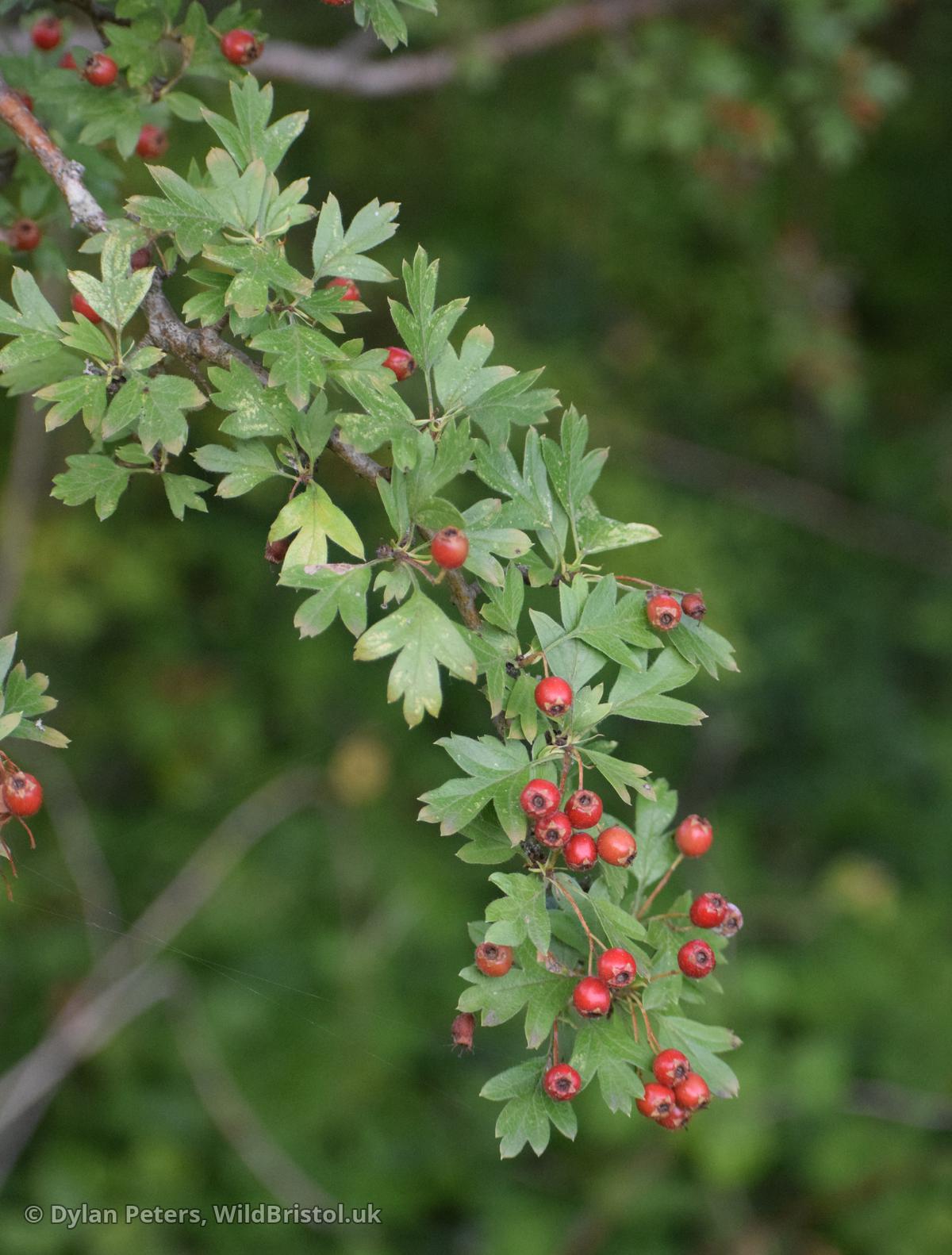
Leaves on new shoots densely hairy, yellowish mid-green, bluntly triangular-ovate in outline, usually slightly broader than long, c. 2.5 - 4 x 2 - 4 cm, 5-7-lobed, divided almost to the midrib, the basal lobes separated by a distinct but winged interlobe, truncate at base with shallowly concave sides, shallowly convex on distal margin, broadening at the apex and more or less rounded terminating in an apiculate tip; petioles c. 1 - 2 cm, stipules dove-wing shaped, coarsely serrate, c. 1 x 0.5 cm. Stems dark brownish purple, densely hairy, Spines c. 1.5 cm, double towards the apex
Leaves on flowering shoots ob-triangular-ovate, blade c. 2 - 3 x 1.5 - 3 cm, 3-5-lobed, cut to c. 3/4 way to mid vein, sinus acute, c. 40°, terminal lobe bell-shaped with an apiculate tip of c. 0.5 mm; those of the laterals curving upwards, narrowly cuneate at base, abruptly acuminately tipped with yellow apices; serrations more or less absent except for the odd one or two or basal lobes shallowly split, sparsely hairy on both surfaces, being more numerous on the margins. Petiole c. 1 cm; stipules wispy and curved, c. 5 mm. Fruit globose to marginally globose-ellipsoid, hairy but rubbing off, ripening scarlet red with a waxy sheen, c. 8-9 x 7-8 mm; sepals recurved and appressed, equalateral triangular, c. 2 x 2 mm, red-based-green-tipped. Orifice dark brown, hairy, c. 2 mm across. Pedicels and peduncles greenish brown, sparsely hairy.
Possibly the same thing - Natural History Museum.