Pink Shepherd's-purse - Capsella rubella
Favourite Photos
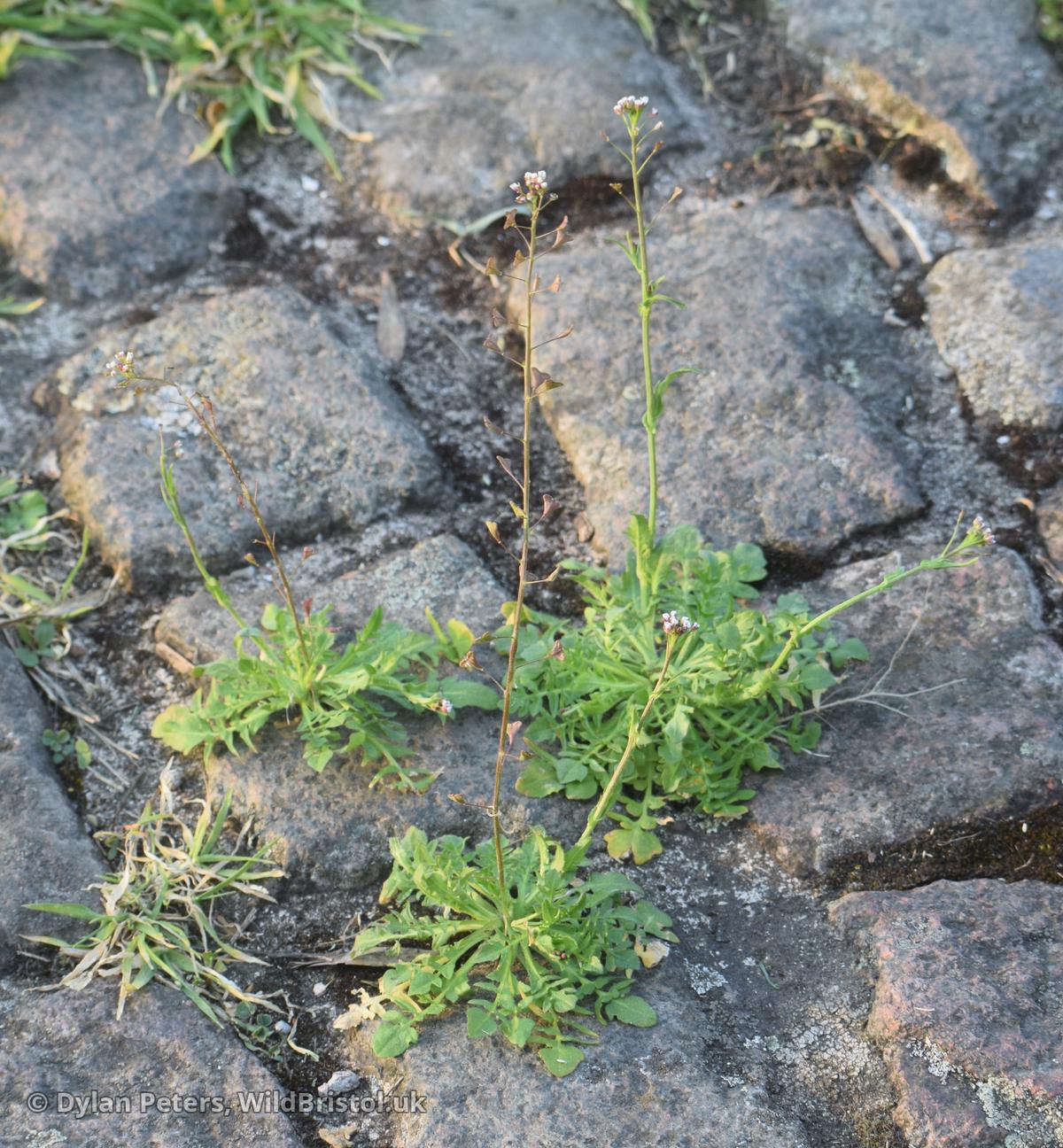
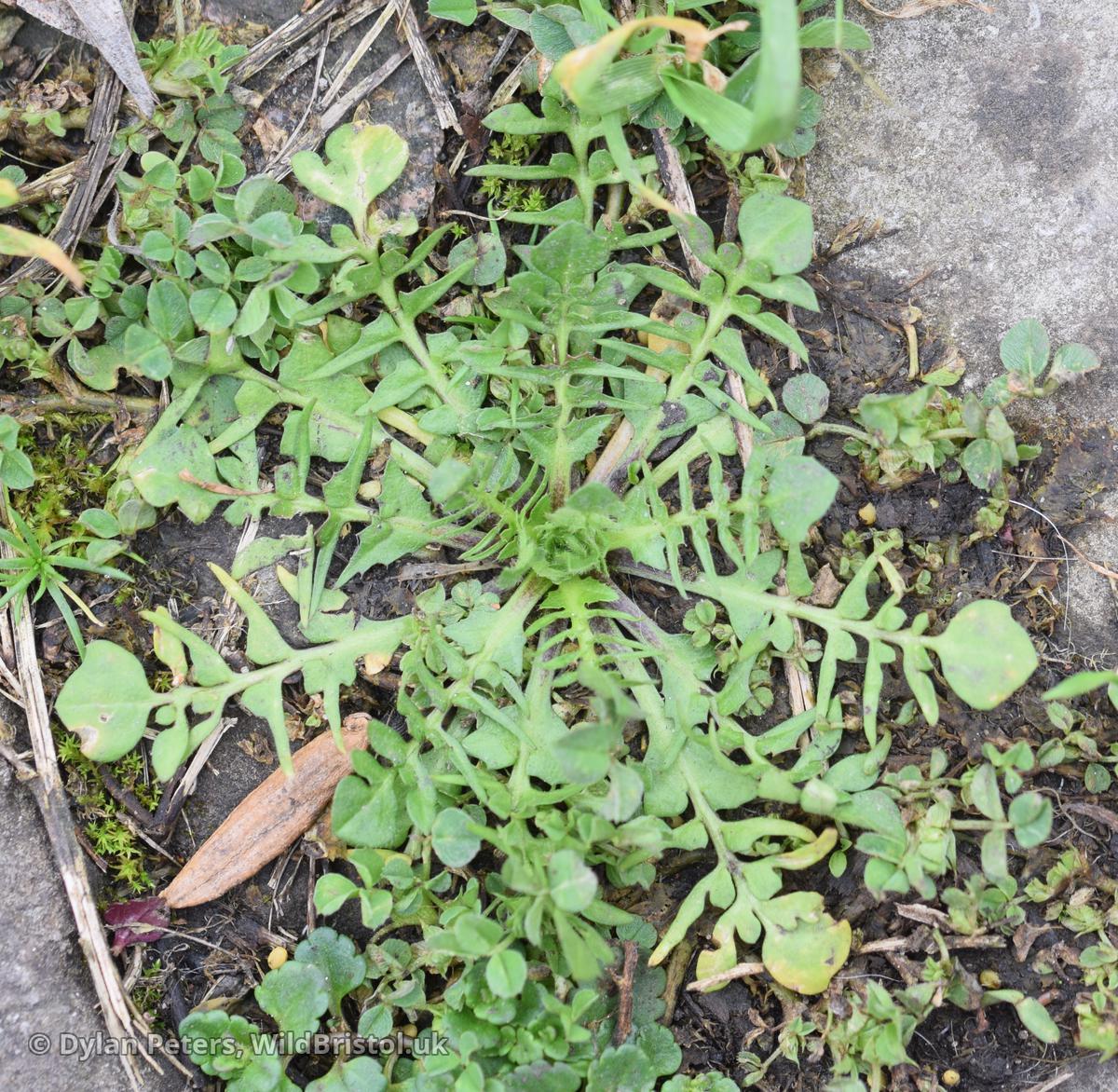
Species Description
Scattered throughout the UK though mainly in the south. It is probably greatly over-recorded for red-capsuled forms of C. bursa-pastoris and its concept is probably (like C. bursa-pastoris) pretty broad.
Stace 4:
Capsella rubella Reut. - Pink Shepherd's-purse.
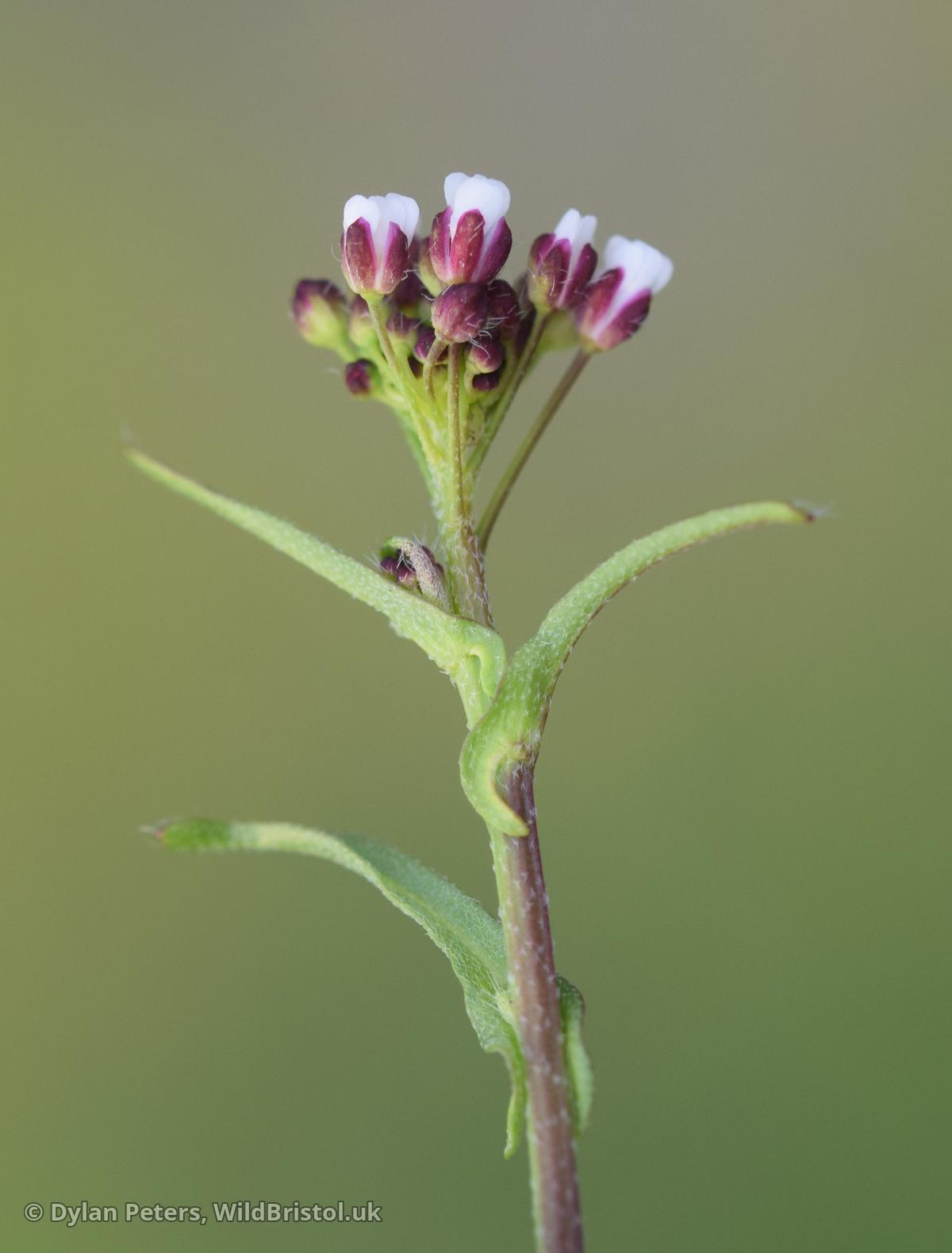
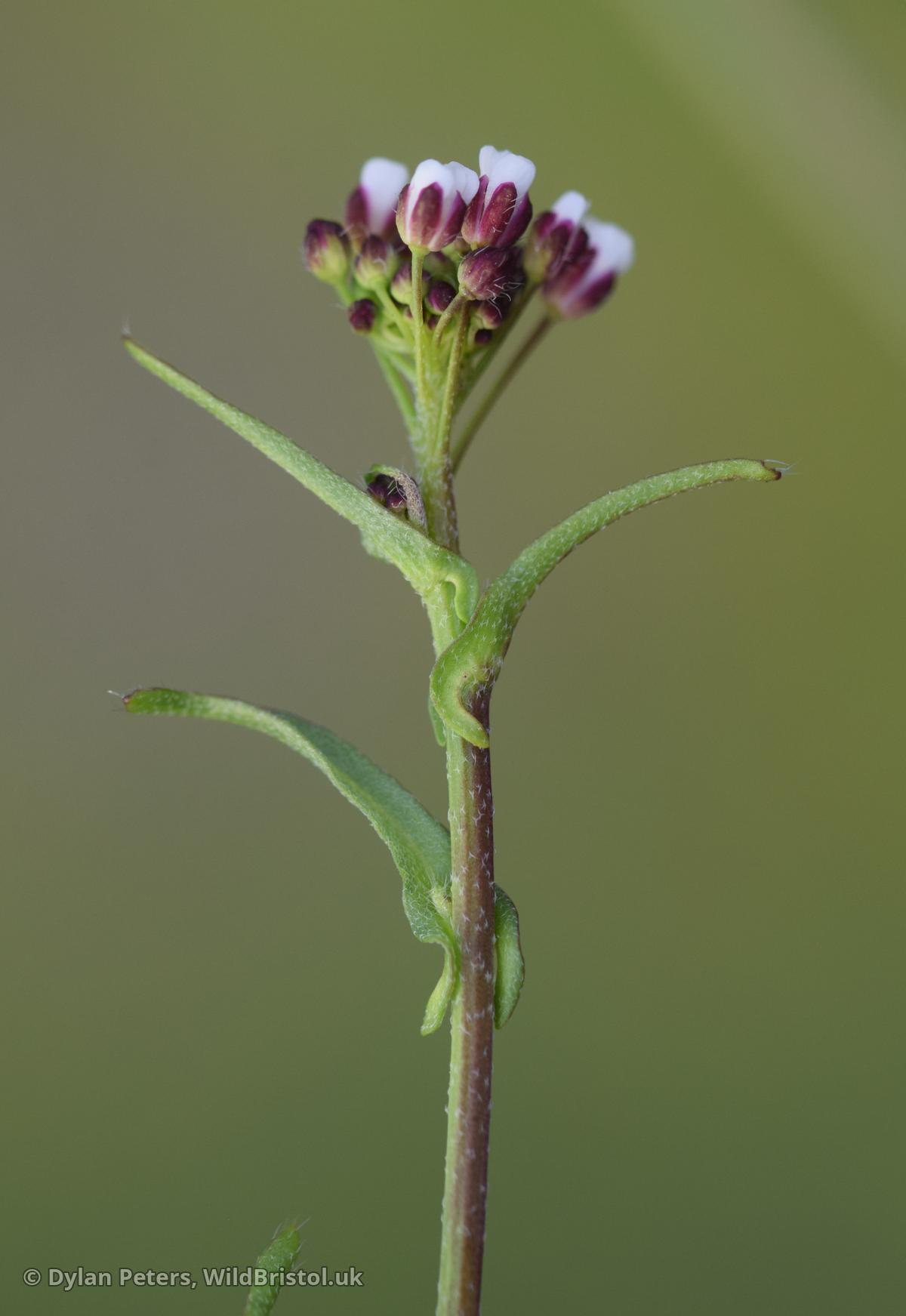
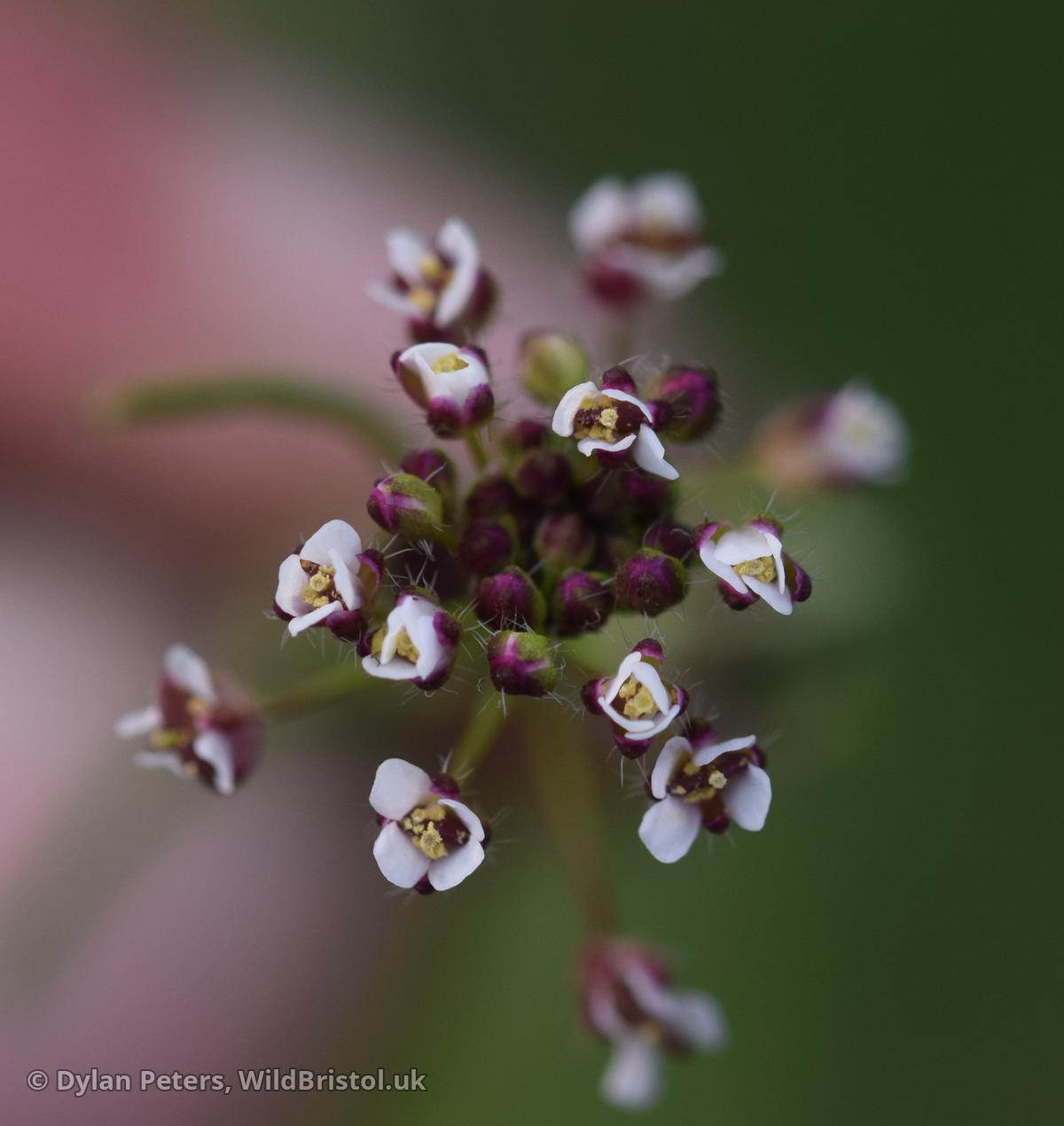
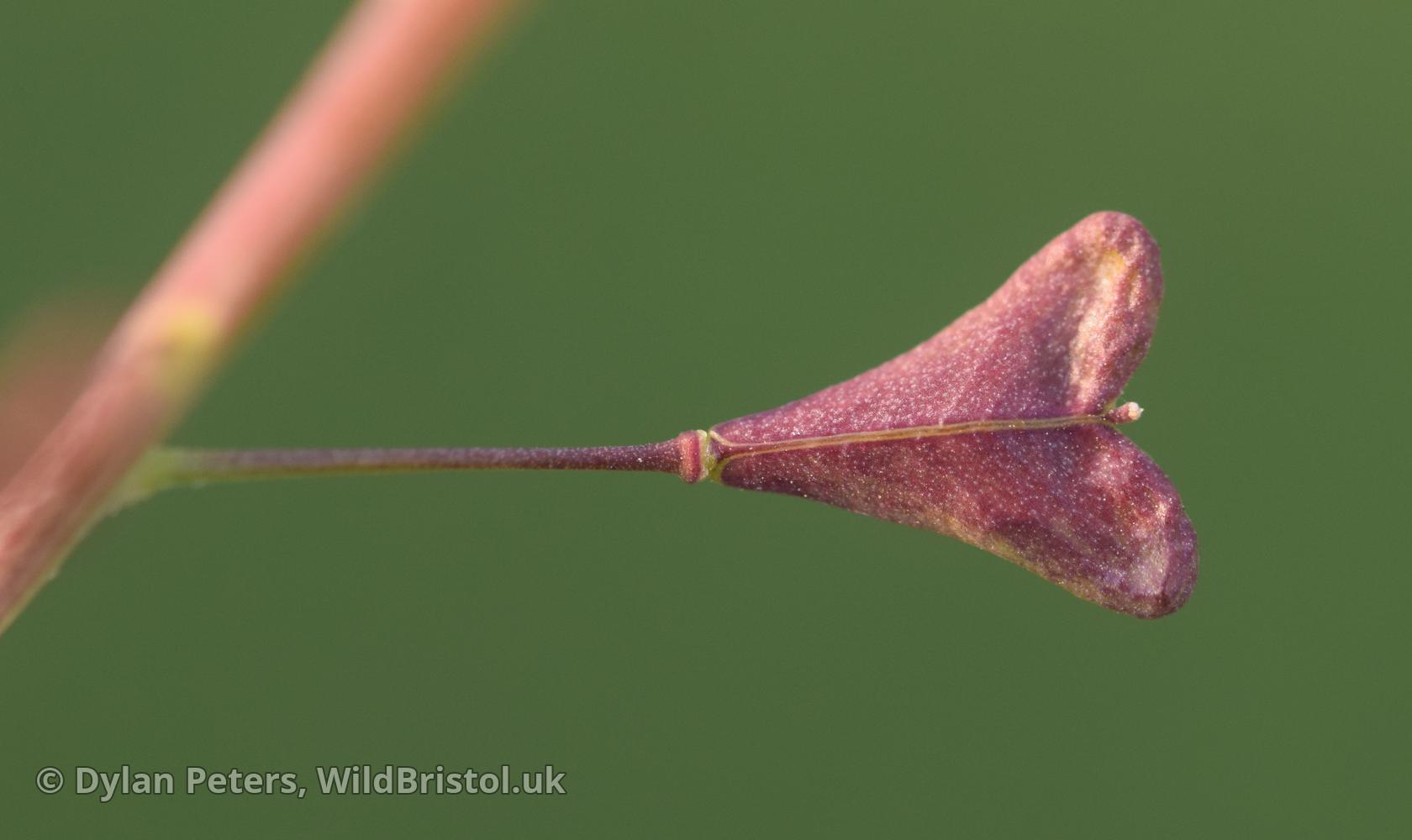
Differs from C. bursa-pastoris in its petals 1.5-2mm (not or scarcely longer than sepals) and usually (like the sepals) red-tinged; fruit 5-7 x 4-6mm, with concave sides forming more gradually tapered base; (2n=16). Neophyte-casual; cultivated and waste ground; sporadic in Central & South Britain and Channel Islands, rarely persisting; South Europe.
Original description (Compt.-Rend. Trav. Soc. Hallér 1853-1854: 18 (1853)):
C. sepalis glaberrimis oblongis, superne purpurascentibus, margine angusto membranaceo cincto, petalis obovatis, retusis calycem vix superantibus stamina aequantibus, staminibus pistilloque aequilongis, antheris parvis subrotundis; siliculis obverse triangulari-cordatis basi valde attenuatis pedicellum aequantibus vel eo paulo brevioribus apice truncato-emarginatis lobis rotundatis stylo brevissimo apiculatis; foliis nitidulis inferioribus lyrato-pinnatifidis parce hirsutis, superioribus glabratis integris recurvato-deflexis, basi anguste et acute auriculato-sagittatis.
Hab. in ruderatis ad vias pagi genevensis.
Nous avons d'abord observé cette espèce avec MM. Muret et Fauconnet, à Confignon, près de l'église, à la fin d'avril 1853. Je l'ai recueillie plus tard abbondament à Gaillard et à Montbrillant, près de Genève; elle croît mélangée avec l'espèce ordinaire, de laquelle elle se montre constamment distincte par les fleurs de moitié plus petites, à pétales dépassant à peine le calice à sépales glabres, constamment teints de pourpre au sommet, par ses silicules plus petites, luisantes, plus fortement rétrécies à la base, à lobes de l'échancrure arrrondis.
Pendant une herborisation faite l'été dernier, du côté de Vernier, on trouva en grande abondance, dans des champs de blé, le Sagina apetala, L. mélangé avec le S. patula Jord. Ce dernier se distingue par ses formes plus robustes, ses pédoncules plus longs, légèrement poilus, et surtout par le calice qui reste appliqué sur la capsule, et qui n'est point étalé à la maturité. Cette plante a été retrouvée dans d'autres localités, et en particulier auprès de Compesières, par M. le curé Chavin.
M. Reuter avait recueilli, dans diverses excursions qu'il avait faites dans les Alpes, une forme d'Alchemilla, qui lui avait paru distincte; après examen, il l'a décrite sous le nom de subsericea, et voici sa diagnose;
Translated:
[C. sepalis glaberrimis oblongis, superne purpurascentibus, margine angusto membranaceo cincto, petalis obovatis, retusis calycem vix superantibus stamina aequantibus, staminibus pistilloque aequilongis, antheris parvis subrotundis; siliculis obverse triangulari-cordatis basi valde attenuatis pedicellum aequantibus vel eo paulo brevioribus apice truncato-emarginatis lobis rotundatis stylo brevissimo apiculatis; foliis nitidulis inferioribus lyrato-pinnatifidis parce hirsutis, superioribus glabratis integris recurvato-deflexis, basi anguste et acute auriculato-sagittatis.]
C. sepals glabrous, oblong, purple-tinged above, surrounded by a narrow membranous margin, petals obovate, with blunt calyx, barely exceeding the stamens, equal to
Stamens and pistils of equal length
, anthers small subrotund
silicules obverse triangular-cordate base very attenuated, pedicel equal or slightly shorter at apex truncate-emarginate lobes rounded style very shortly apiculate
retuse, barely exceeding the calyx, equalling the stamens, stamens equilong and pistil, small sub-obtuse anthers; siliques obversely triangular-cordate at base, very attenuated at base, equaling or slightly shorter pedicels, truncate-emarginate at apex, rounded lobes, very shortly apiculate style; shiny leaves, lower lyrate-pinnatifid, sparsely hairy, upper glabrate, entire, recurved-deflexed, base narrow and acutely auriculate-sagittate.
Hab. in the ruins by the roads of the village of Geneva.
We first observed this species with Messrs. Muret and Fauconnet at Confignon, near the church, at the end of April 1853. I later collected it in abundance at Gaillard and Montbrillant, near Geneva; it grows mixed with the common species, from which it is consistently distinguished by its flowers, which are half the size, with petals barely exceeding the calyx and glabrous sepals, always tinged with purple at the apex, by its smaller, glossy silicles, more strongly narrowed at the base, with rounded lobes of the notch.
During a botanical survey conducted last summer near Vernier, Sagina apetala, L., mixed with S. patula Jord., was found in great abundance in wheat fields. This latter variety is distinguished by its more robust form, its longer, slightly hairy peduncles, and especially by the calyx, which remains attached to the capsule and is not spread out at maturity. This plant has been found in other locations, particularly near Compesières, by Father Chavin.
Mr. Reuter had collected, during various excursions he had made in the Alps, a form of Alchemilla, which appeared to him to be distinct; after examination, he described it under the name subsericea, and here is his diagnosis:
é è à á