Little Mouse-ear - Cerastium semidecandrum
Favourite Photos
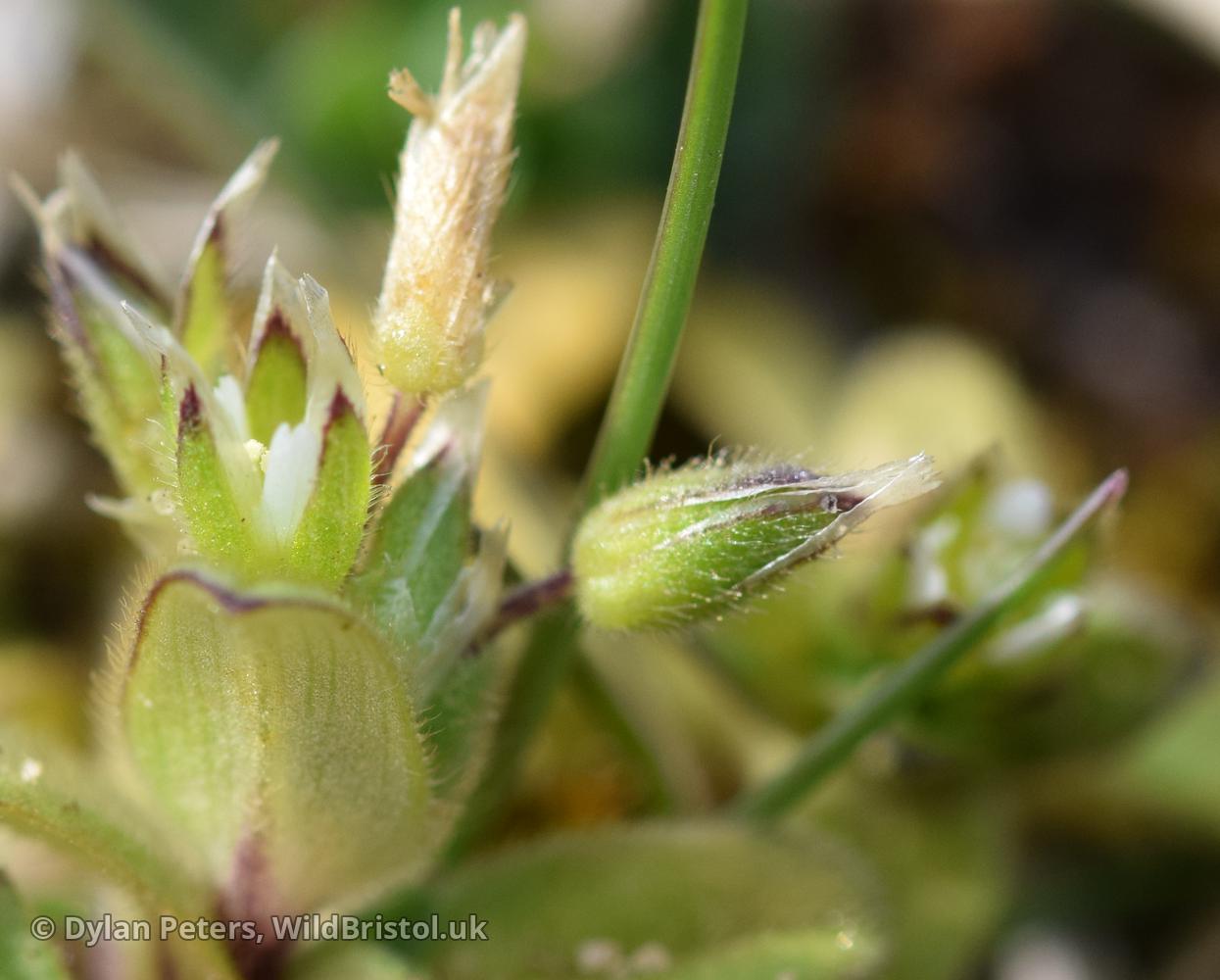
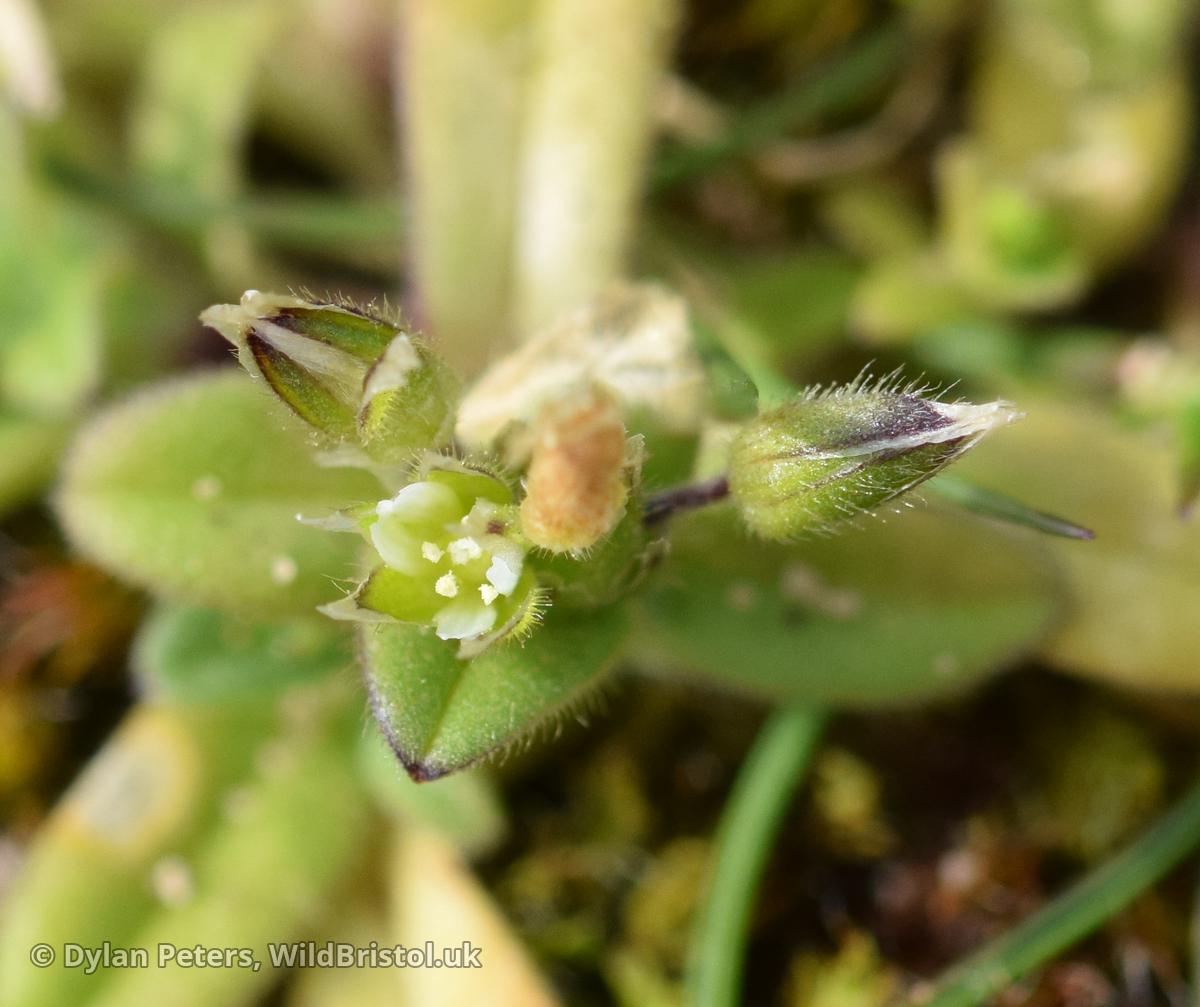
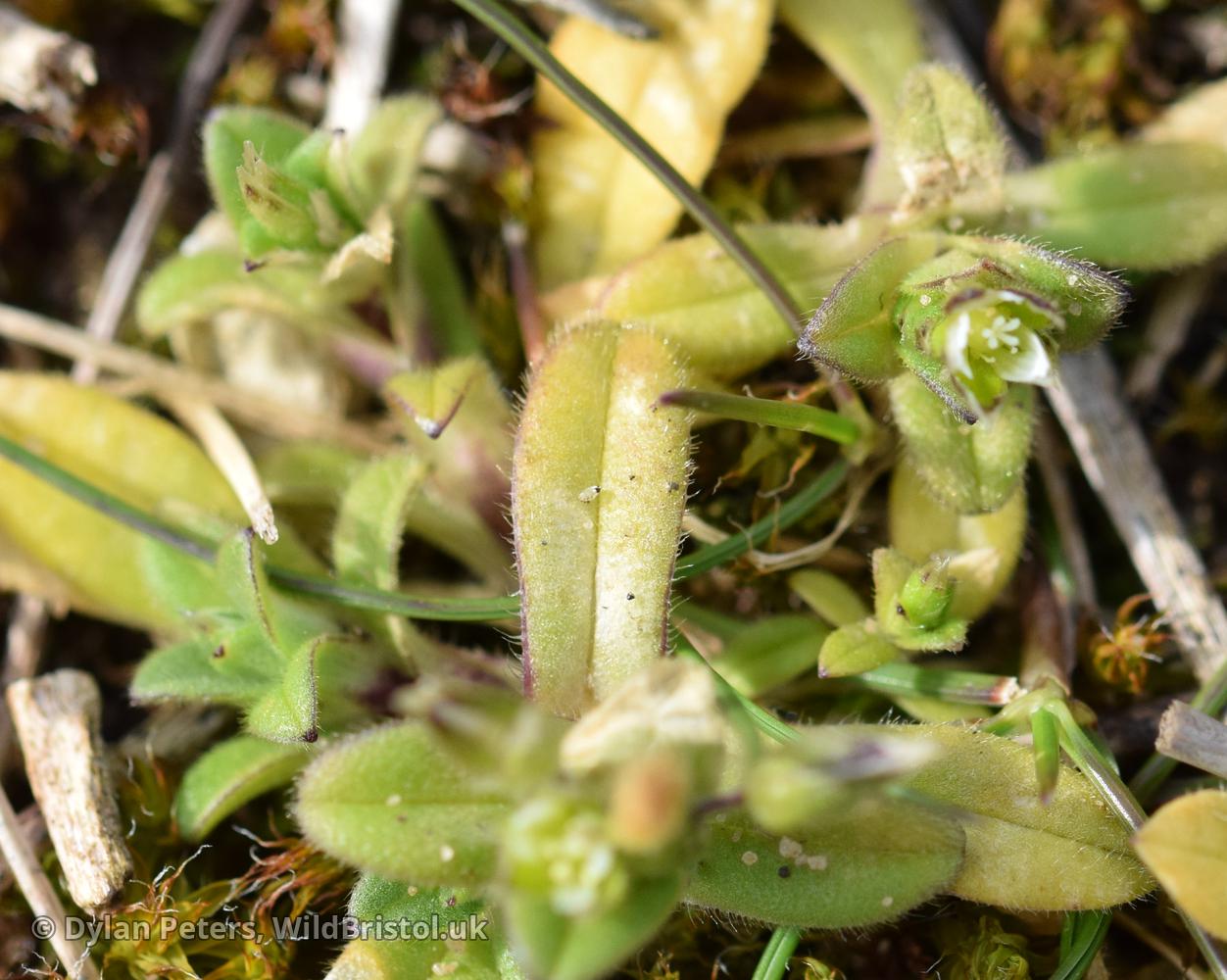
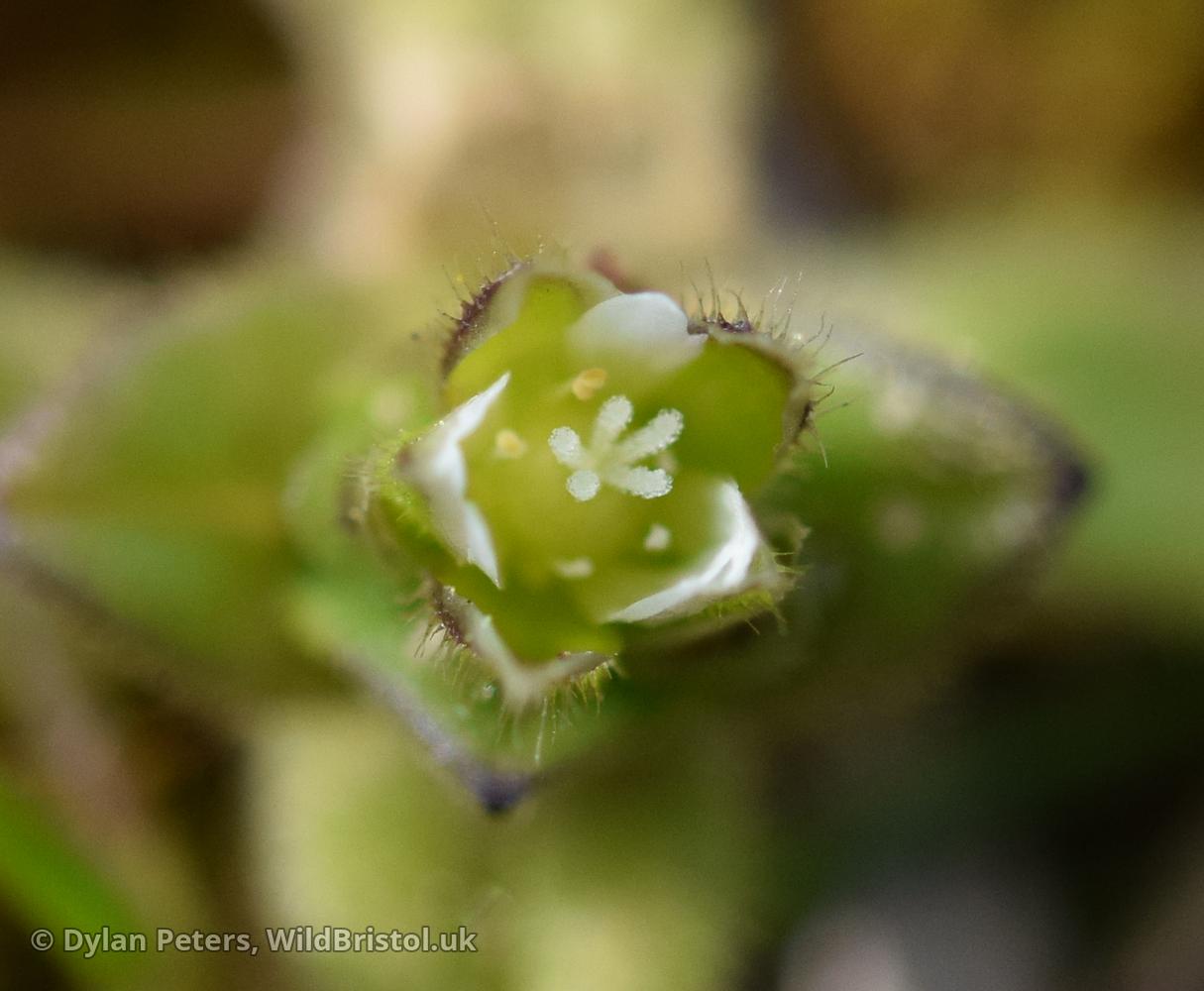
Species Description
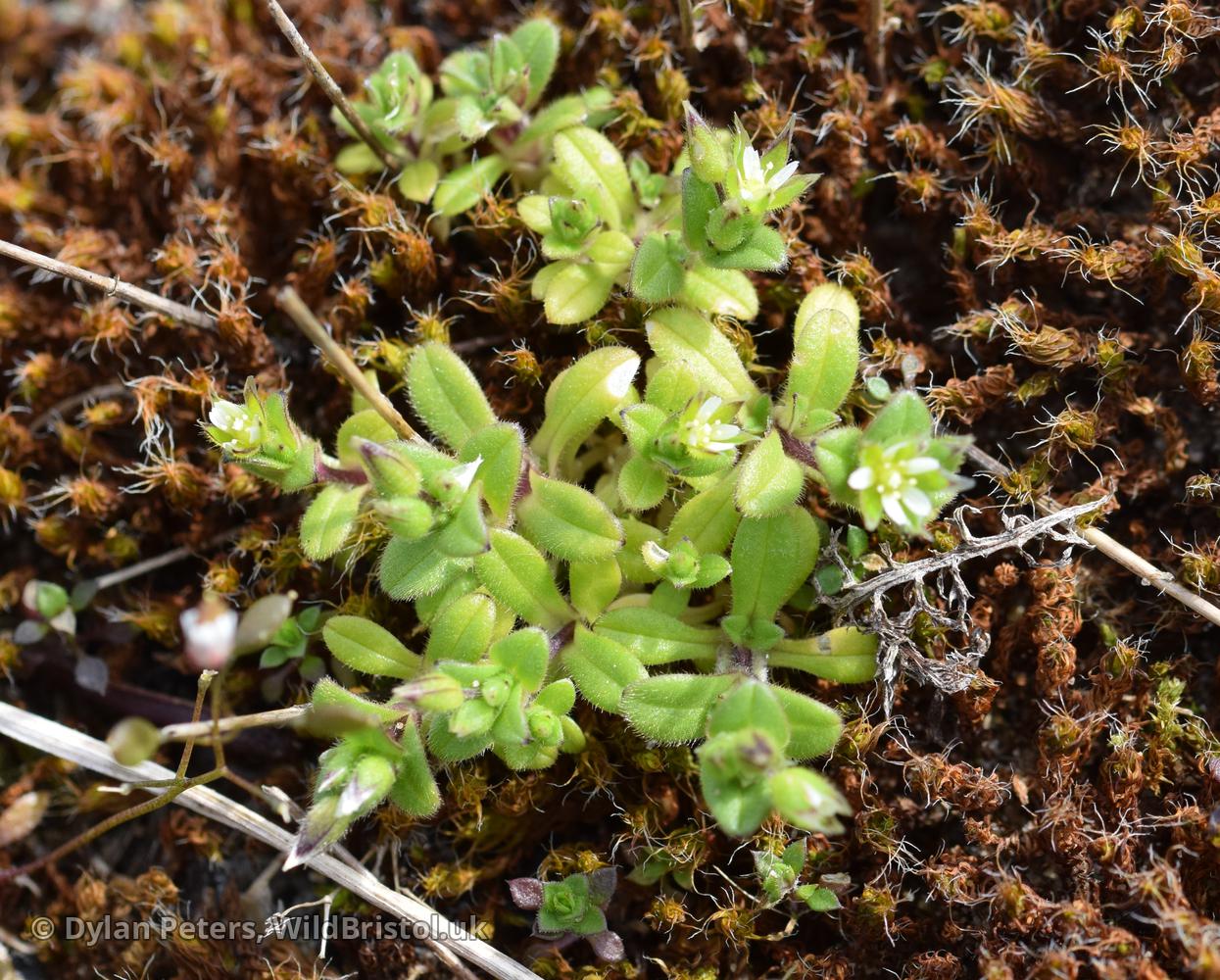
Widespread and fairly frequent but local throughout the UK. Habitat includes: well-drained, sandy to calcareous soils (sometimes heavy clay) in places such as dry banks, open grassland, heathland, fixed dunes, disturbed sandy sites by the sea, walls, rock ledges, bare places on limestone etc. Growing habit: Overwintering Annual.
Stace 4:
Cerastium semidecandrum L. - Little Mouse-ear.
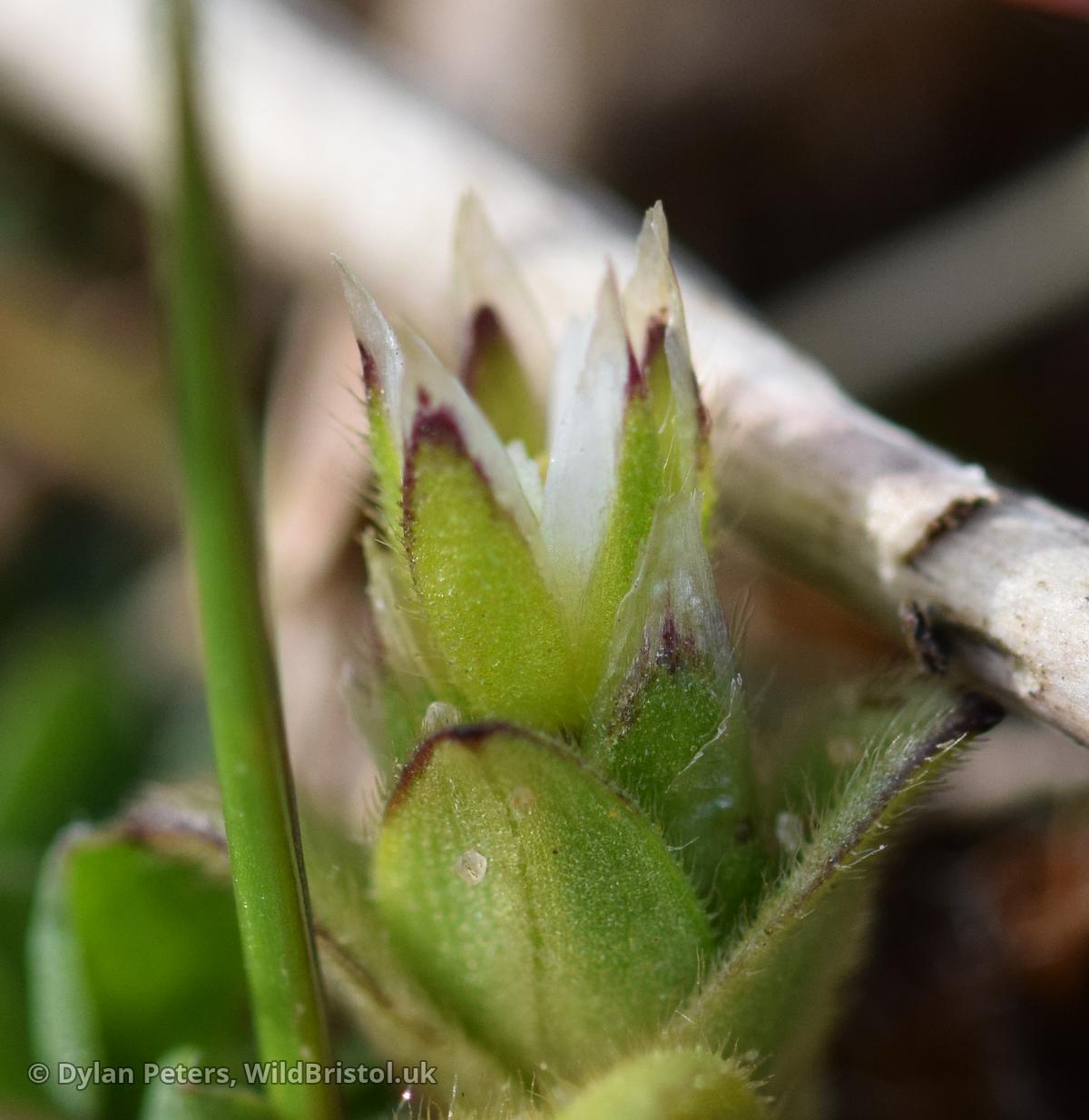
Erect to ascending annual to 20cm, with abundant glandular and non-glandular hairs; bracts with scarious tips ≥1/3 total length; inflorescence diffuse at fruiting; flowers 5-merous; petals about 2/3 as long as sepals; 2n=36. Native; dry open places on sandy or calcareous soils, especially dunes; frequent throughout most of British Isles but rare in North West Scotland and Central Ireland.
Key:
- Bracts with scarious tips; petals and stamens usually 5; capsule-teeth usually 10
- uppermost bracts scarious for at least apical 1/3; petals distinctly shorter (about 2/3 as long) than sepals