Bladder Campion - Silene vulgaris
Favourite Photos
Species Description
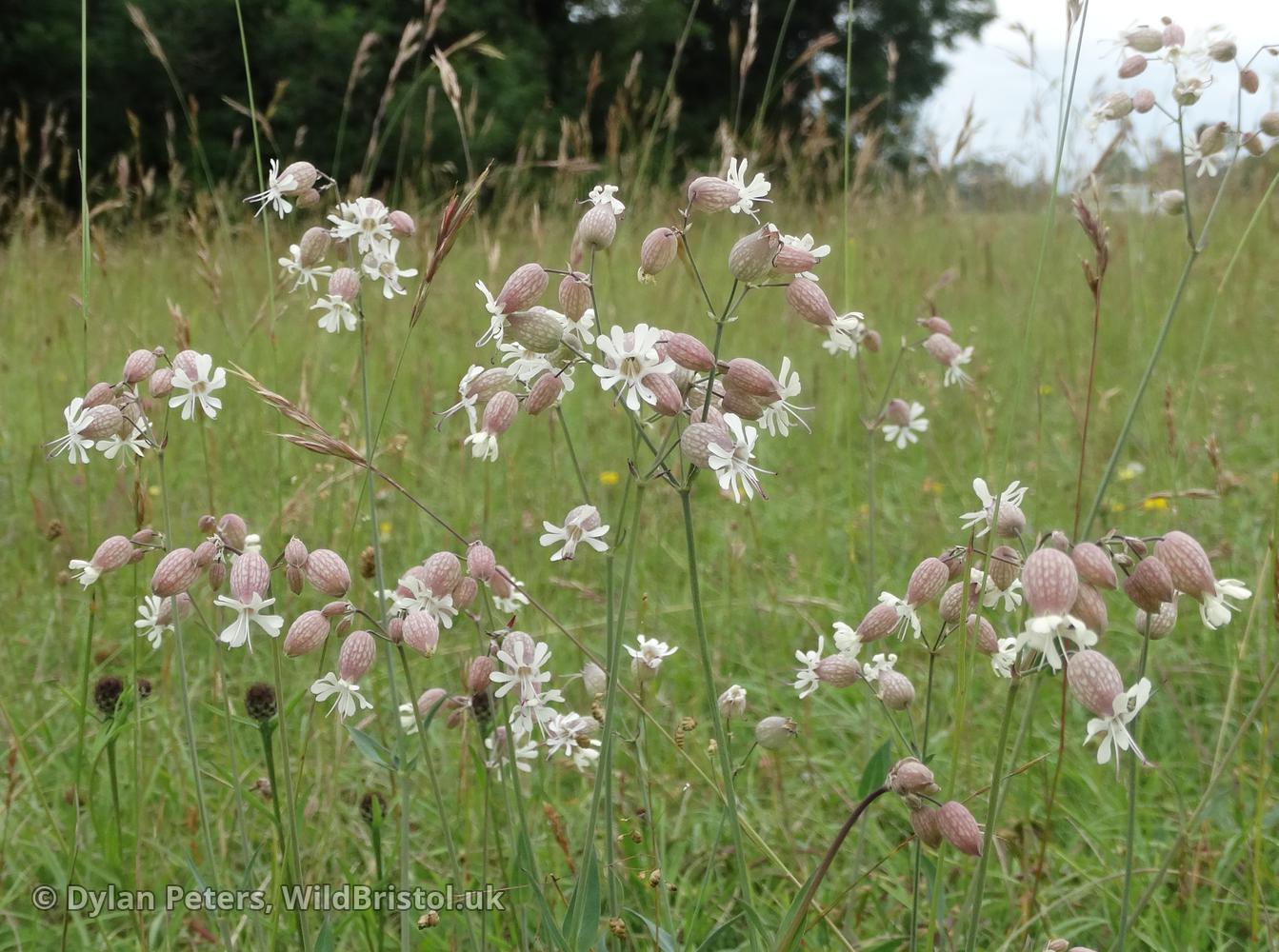
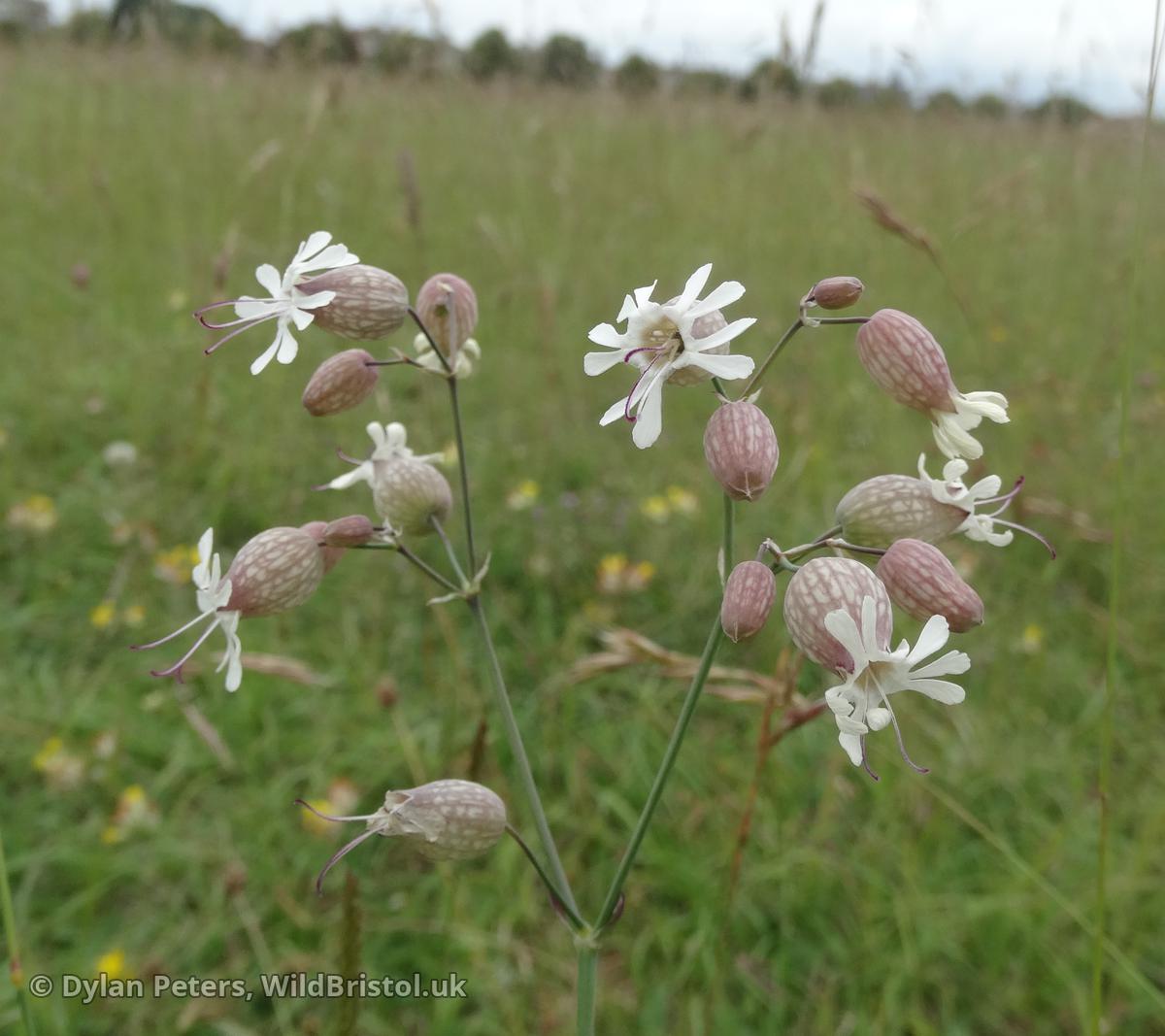
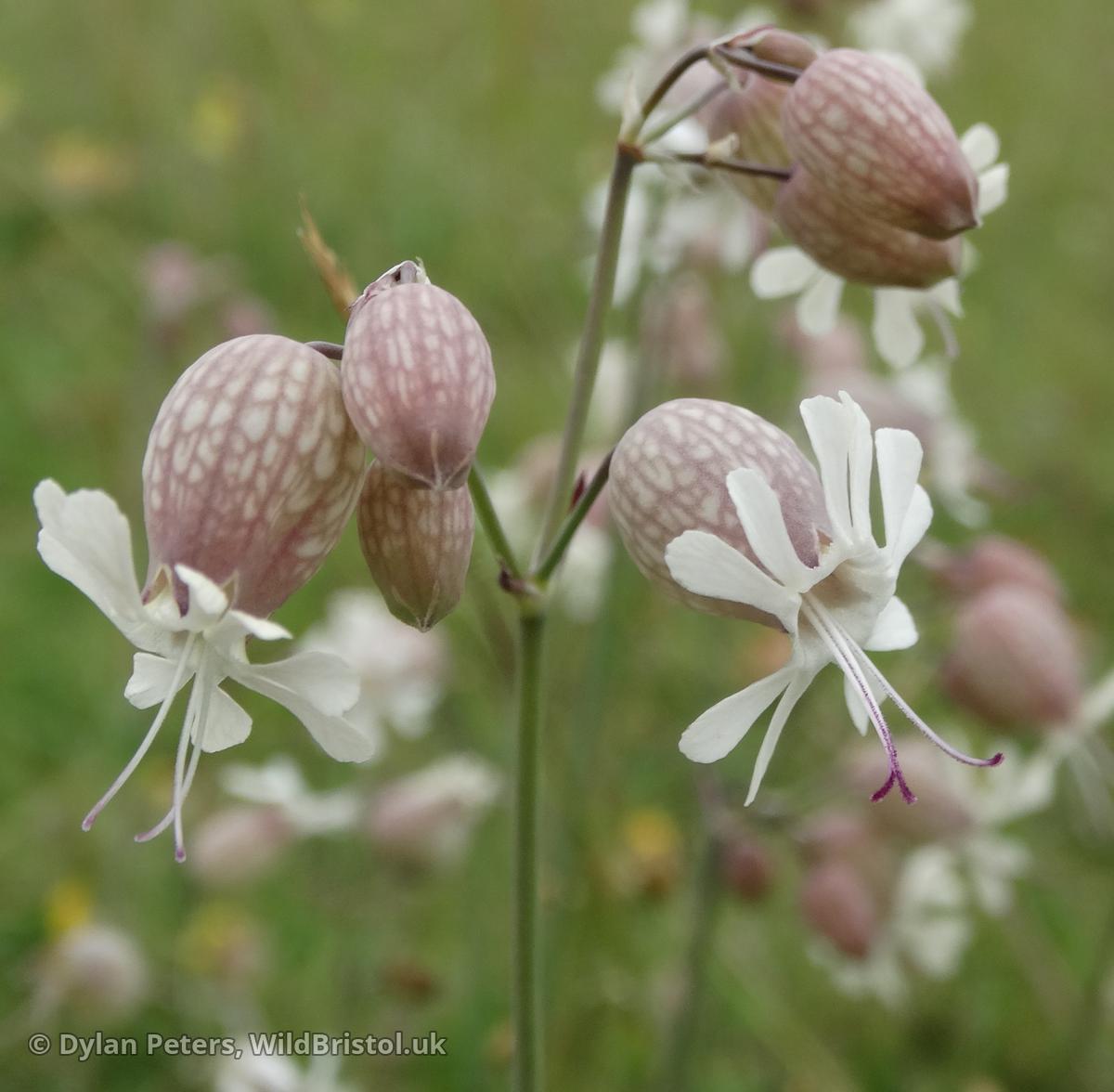
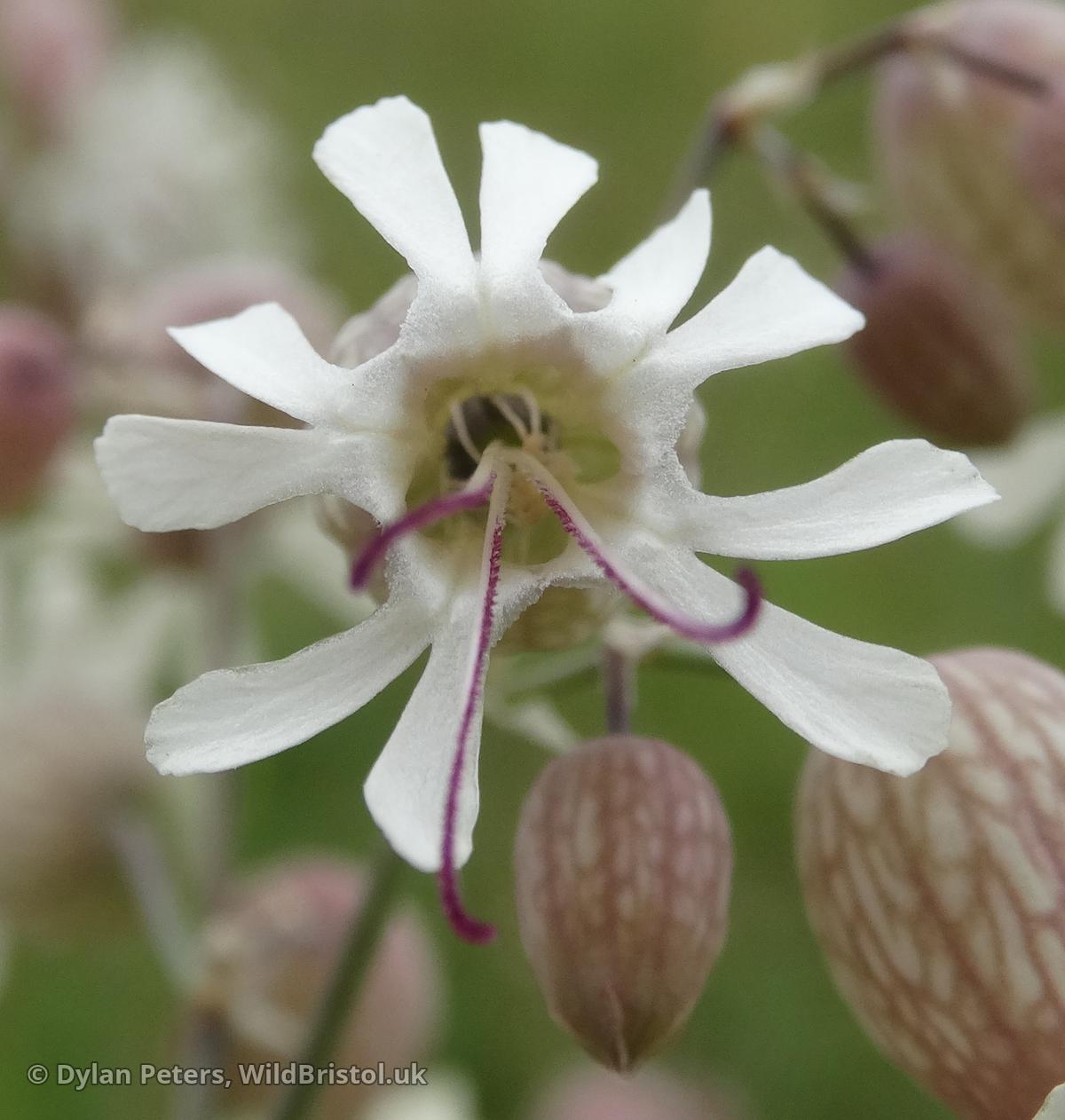
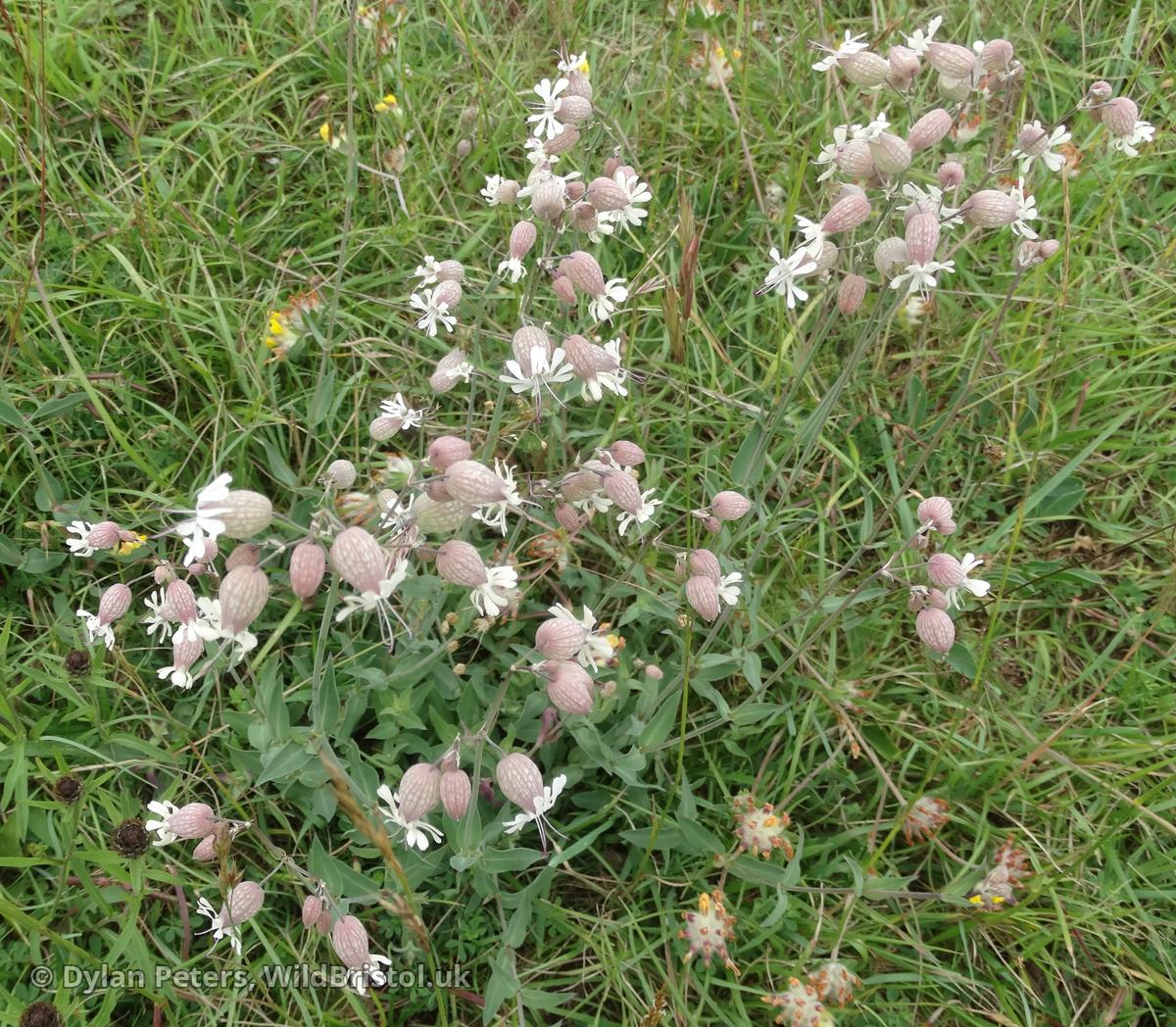
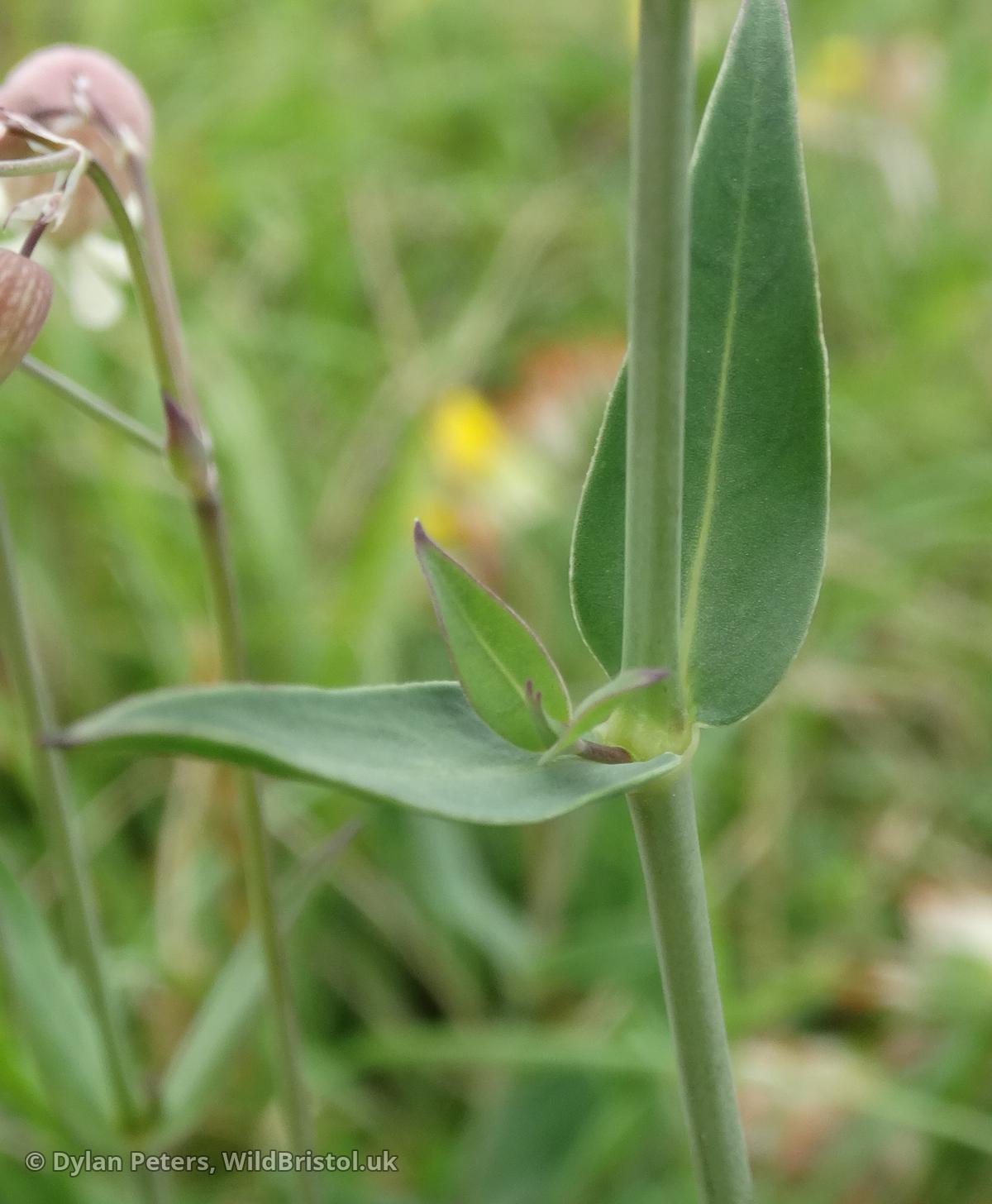
Widespread throughout the UK but often local and only common in the South, running along a line from the Wash to the Severn Estuary and becoming scarce in the North. Habitat includes: Open full sun to partial shade, grassy places on most soil types in places such as meadows (has a preference for dry, calcareous grassland e.g. chalk / limestone downland), grassland, fields, open woodland, cultivated places (both abandoned and in use arable fields) hedgerows, roadside verges, rough pasture, quarries, gravel pits, railway banks, walls, wasteland etc. Growing habit: Perennial. It is in decline. Height: 60 - 100 cm. Flowers: May to September. Other names include: Maidens Tears, Cowbell, Common Bladder Catchfly, Spatling Poppie (named by English botanist John Gerard after the fact it is often coated in Spittle from Froghoppers). Uses: Shoots and leaves are edible. Origins of name: In Roman mythology, Goddess Minerva turned the young boy Campion into this plant after he fell asleep instead of catching flies for her owls. The bladder represents the bag he should have filled.