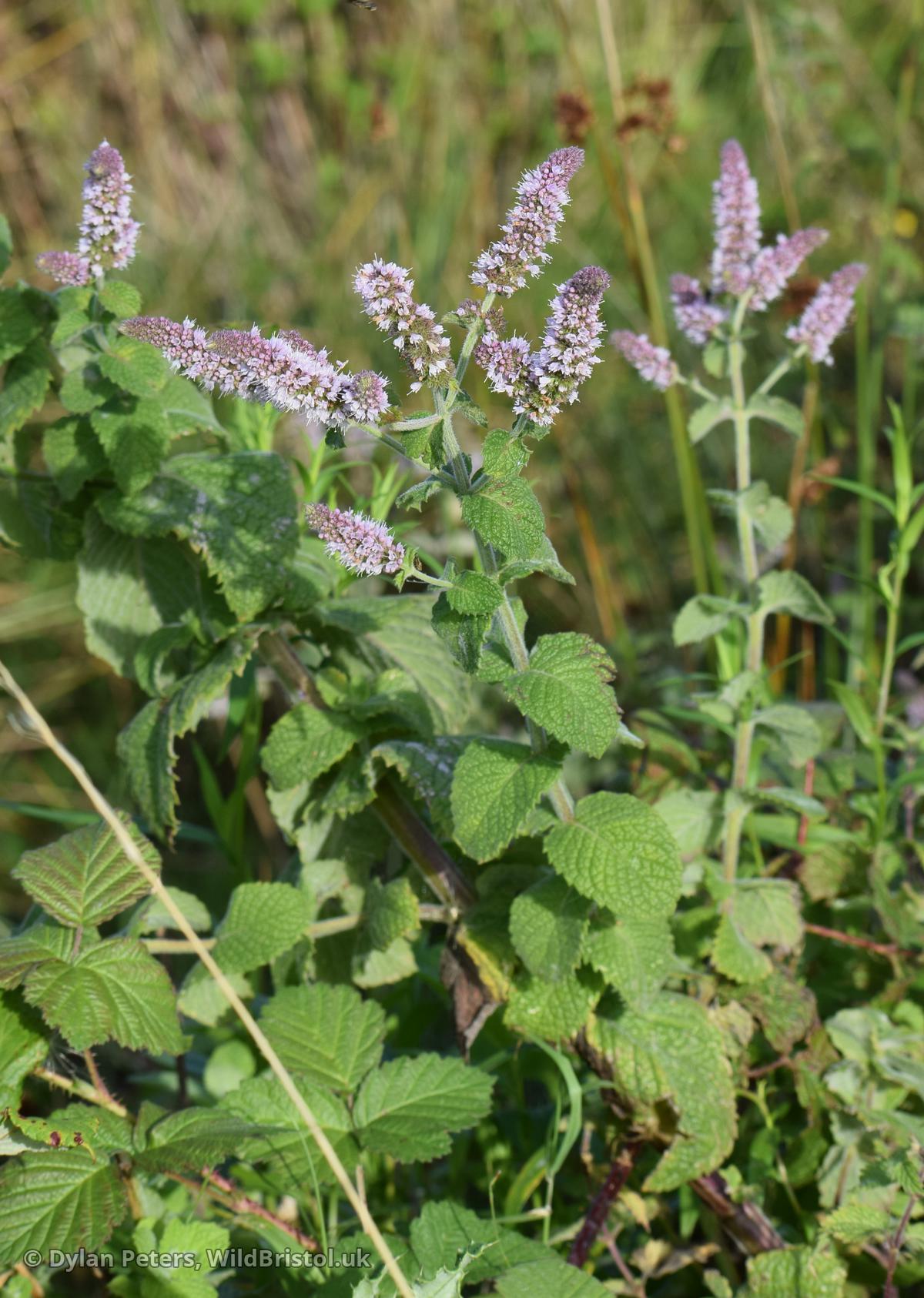
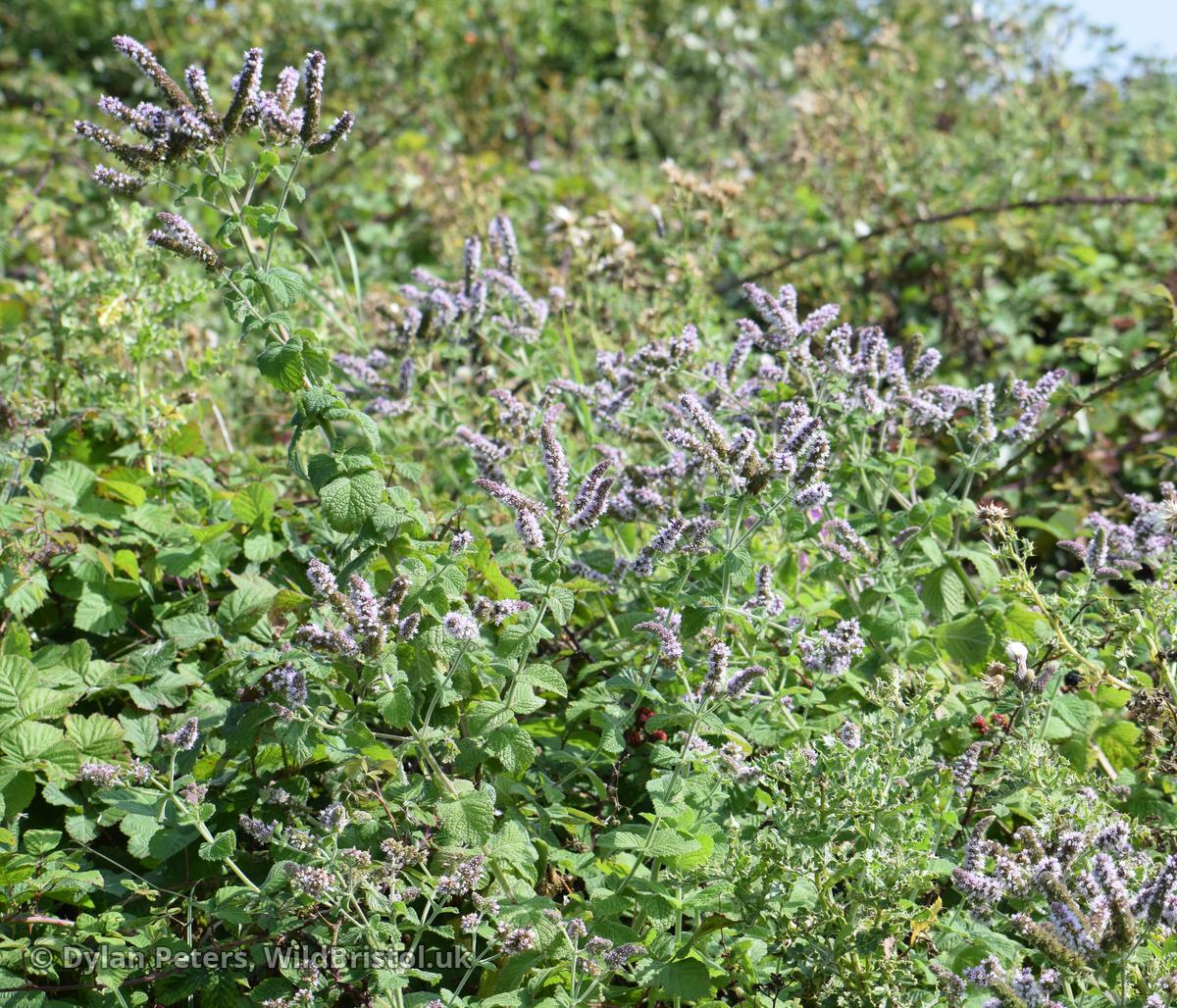
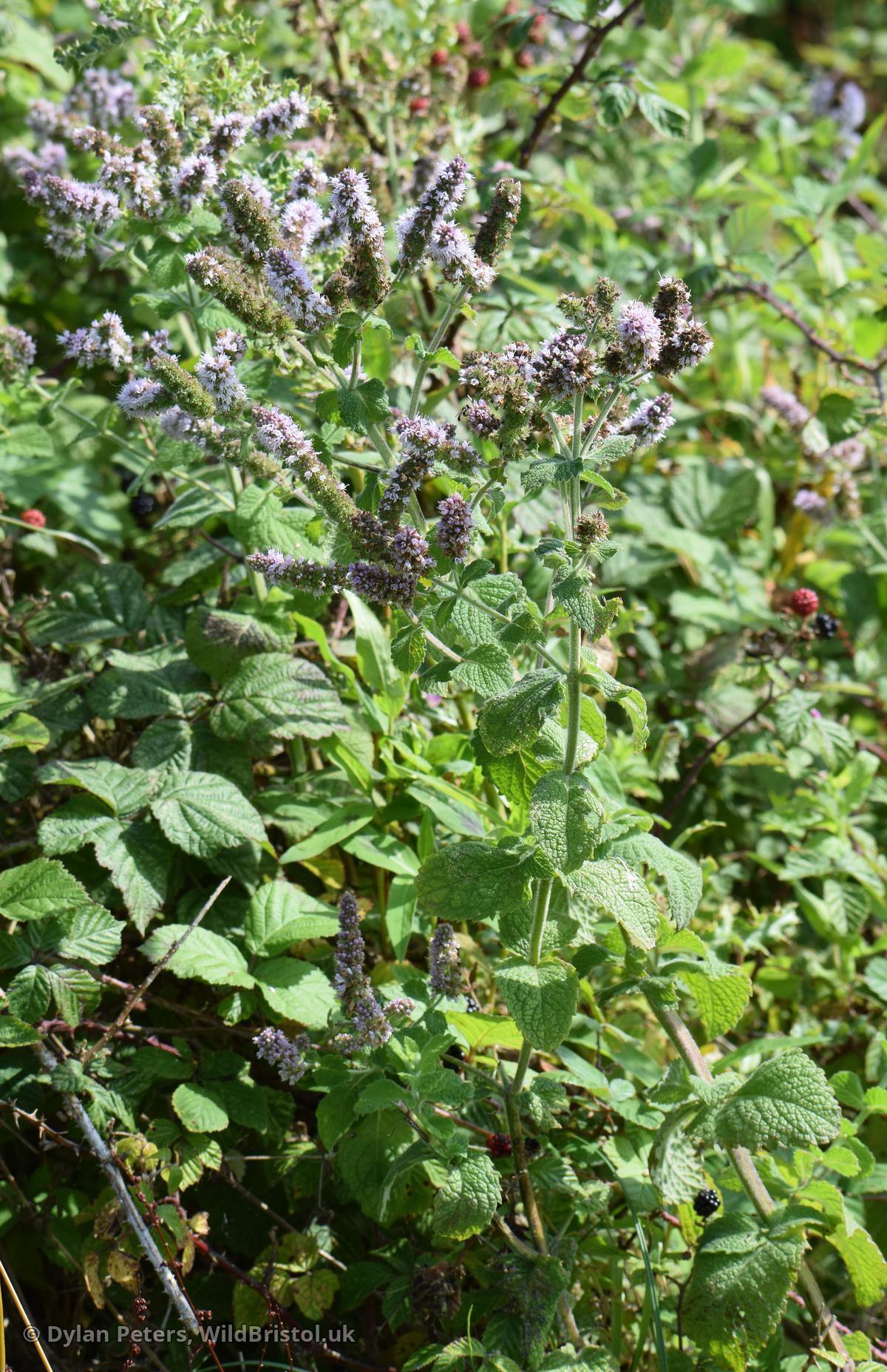
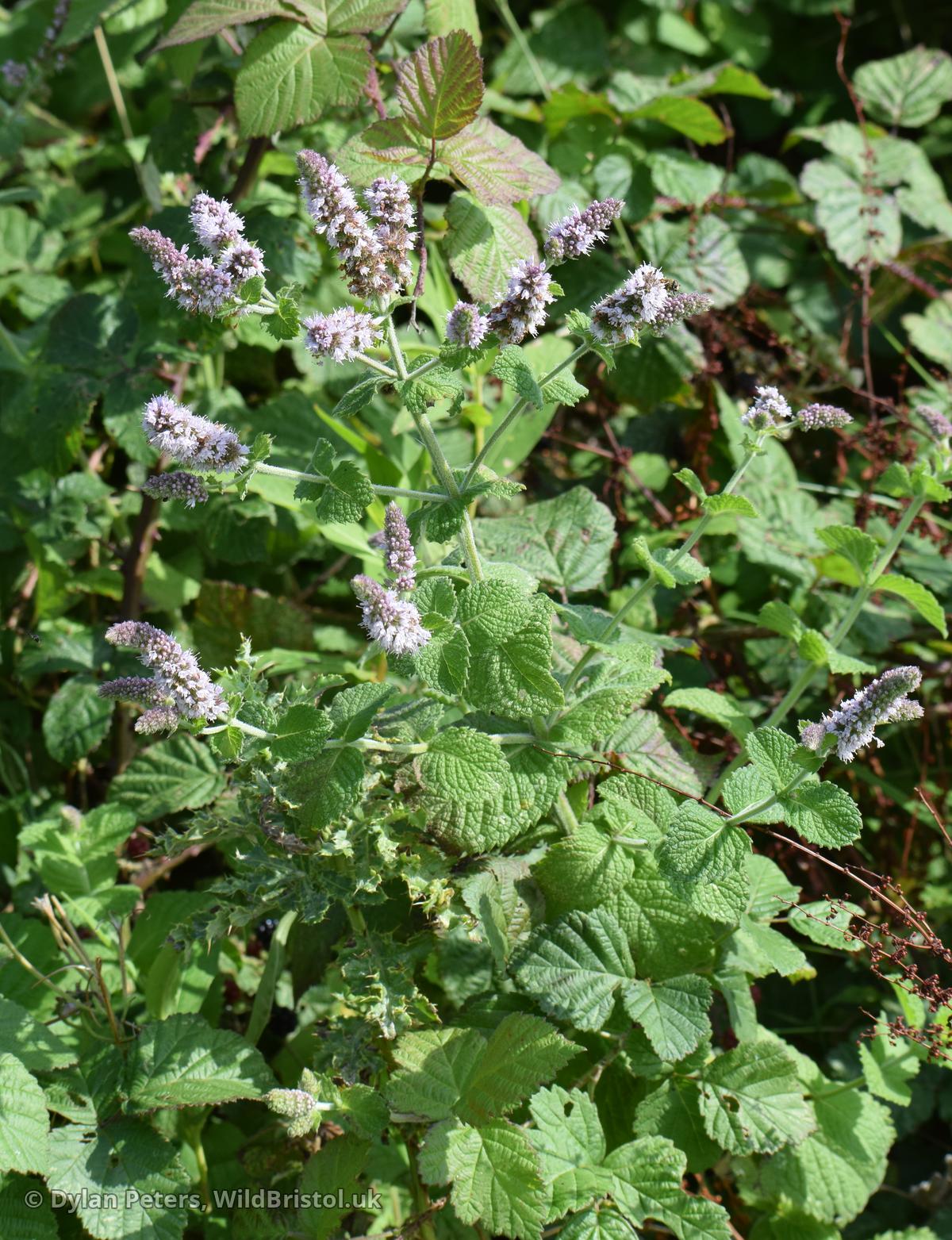
Apple-mint - Mentha x villosa var. alopecuroides
Favourite Photos
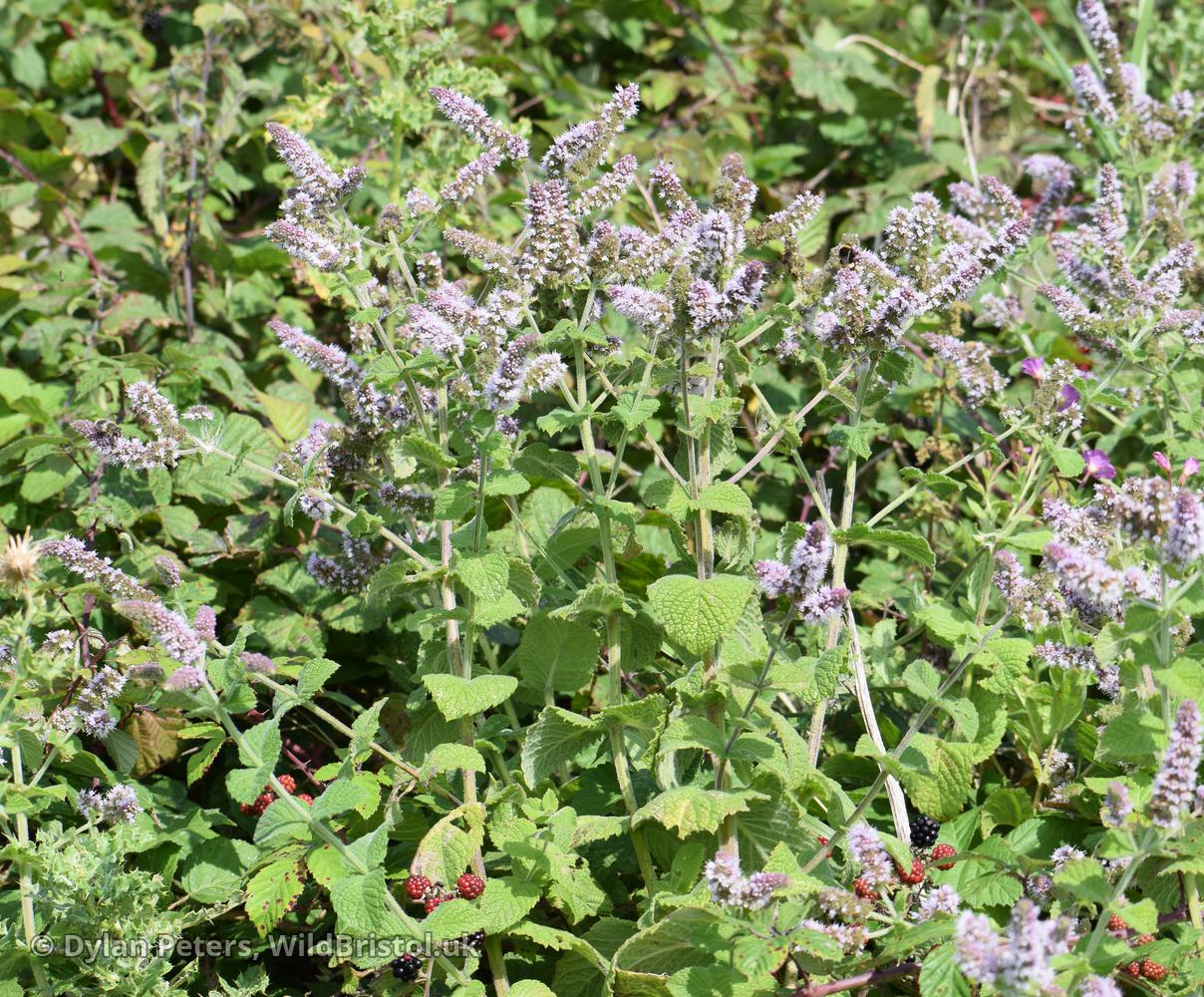
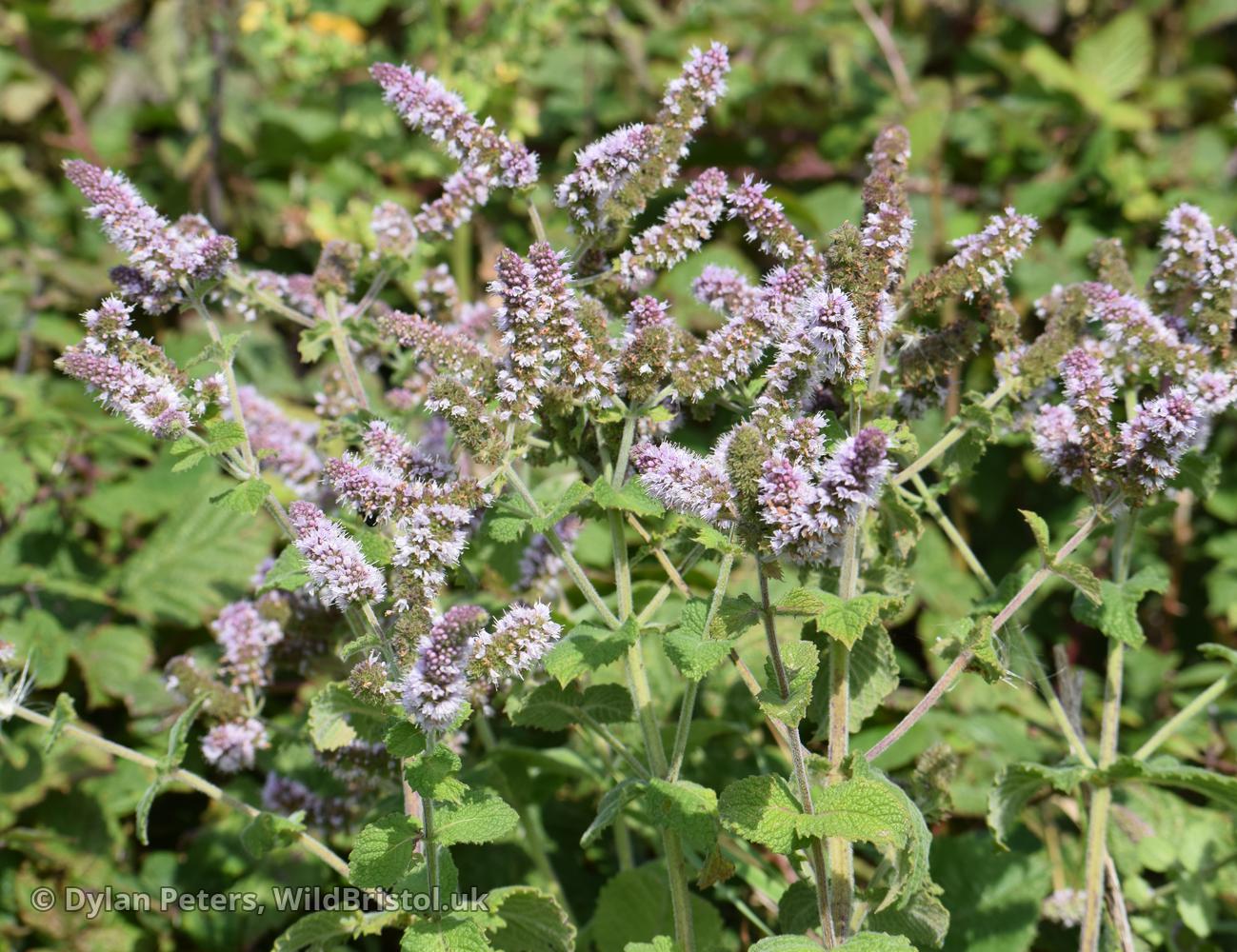
Species Description
Widespread and fairly frequent throughout the UK. Habitat includes: wasteland, roadside verges etc. Sometimes appears in native habitats.
Stace 4:
Mentha x villosa Huds. (M. x cordifolia auct., ? Opiz ex Fresen., M. x niliaca auct. non Juss. ex Jacq.; M. spicata x M. suaveolens) - Apple-mint.
Very variable sterile triploids, varying in form from 1 parent to other; leaves glabrous (M. x cordifolia auct.) to hairy (M. x niliaca auct.), lanceolate to suborbicular, with spearmint or various other scent; 2n=36. Neophyte-naturalised; much grown and naturalised in rough and waste ground; scattered more or less throughout British Isles; ?garden origin. Var. alopecuroides (Hull) Briq. is the usual Apple-mint of gardens; it comes close to M. suaveolens but has spreading leaf-teeth, not folded under, and pink corolla. The typical var. villosa is more clearly intermediate between its parents. Var. nicholsoniana (Strail) Harley is naturalised in Central to South East Wales and adjacent England; it has lanceolate-oblong, hairy leaves with more or less acuminate apex and sometimes more or less patent teeth. None of the glabrous variants have received a varietal name.
Key:
- Stems sometimes procumbent but not rooting along length and mat-forming; flowers usually >6 per node
- Upper whorls contracted into terminal long or rounded head; upper bracts much reduced, unlike leaves
- Leaves sessile or more or less so; flower-head 5-15mm across
- Leaves lanceolate to ovate-oblong, rugose or not, glabrous to densely hairy, acute to subobtuse at apex, with teeth not bent under and hence appearing acute from above; if leaves close to those of M. saveolens then corolla pinkish and fresh plant with sweet scent
- Plant subglabrous to densely hairy; corolla white to pinkish; leaves with acute, usually forwardly-directed teeth unless leaves broadly ovate to suborbicular
- Plant sterile; leaves usually ovate to suborbicular, often both rugose and hairy