Sowing and Planting is not the way!
Originally this was just going to be about the topic of tree planting but I've decided to combine it within a broader scheme with which it is inextricably linked. A topic which really frustrates me! These words have been brewing inside me for years with increasing intensity and I just have to get them out. I am absolutely against sowing meadows and mass tree planting. It infuriates me!
I hope that in 200 years time (if humanity is even still around by then) that this will be looked back on as a crazy blimp in history and my words will be regarded as original and pioneering.
All you'll see on social media now is mass tree planting, new meadow 'creation' and planting plugs of Sphagnum to 'restore' peatland and Common Dog-violet (Viola riviniana) amongst cleared Bracken for Fritillary Butterflies. It's as if the conservation world has gone mad! It's no longer conservation but reckless guerrilla gardening to the extreme. Endless short-cuts and above all the wrong people in charge are to blame. It feels like all brains have been chucked out and replaced with an influencer's nut. Well I tell you crazy world... you haven't fooled me!
I urge you. If you know anyone - individual, group or charity who wants to do their bit for the planet, please shove this piece in their face and guide them to follow the right path. I dread to think what's going on elsewhere around the world.
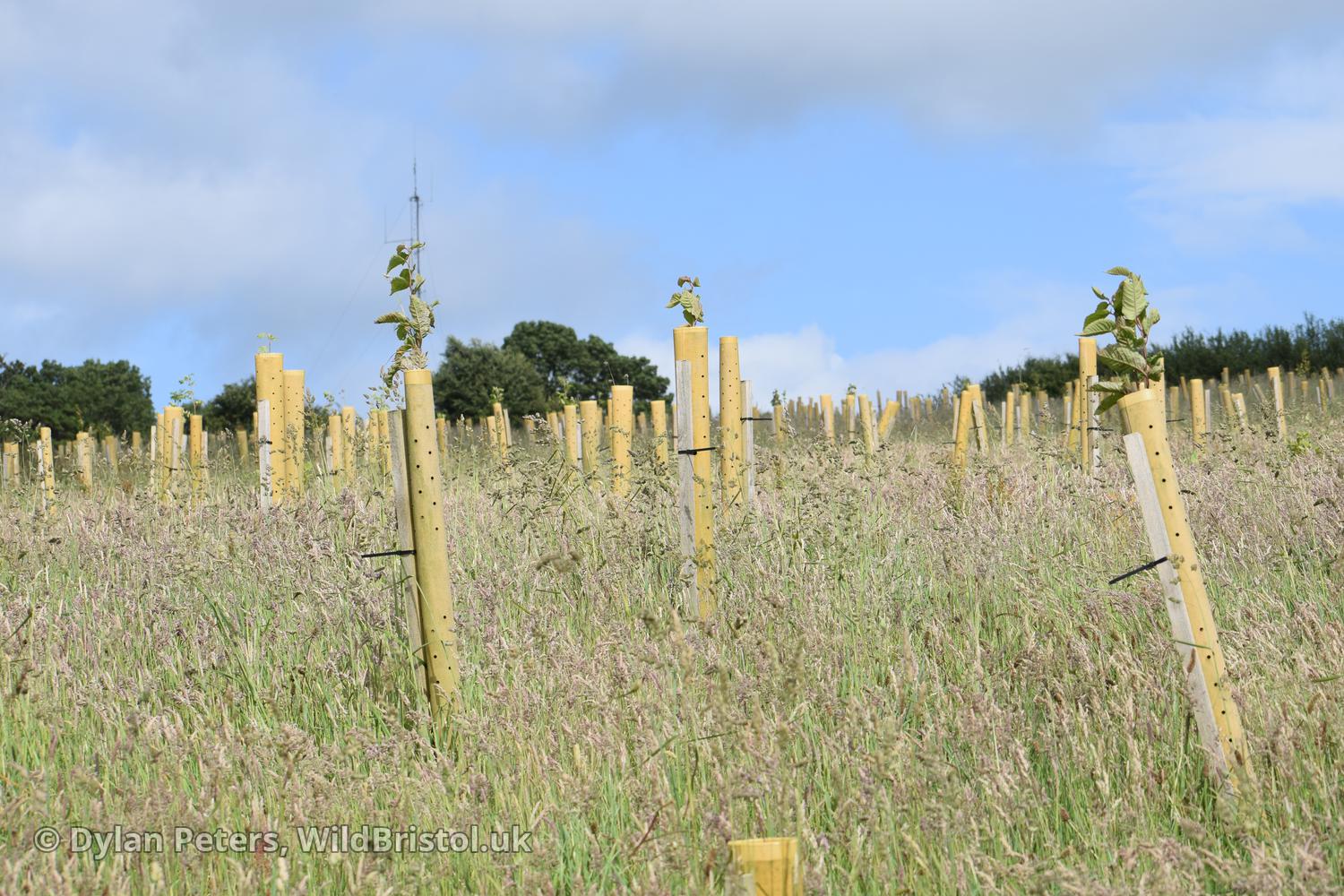
Every single tree planted woodland I have witnessed has resulted in poor structure, poor biodiversity levels and sick unhappy looking trees. Dark shaded bare ground with little ground flora. For someone who sees minute detail in great proportion, these things stick out like a sore thumb. And the amount of times I've seen species-rich habitats just be wiped out by a sea of plastic tubes, cable ties, stakes, twigs and mulch is truly upsetting. If people were to just take a step back and think about how mad this actually is!
There are two films which sum up the direction were going perfectly - Idiocracy and Wall-e.
There's more to life than pollinators which is just targeting one small part of a portion of (mainly) insects. All these schemes such as 'No Mow May' and 'Save the Bees' annoy me because the actual message is saying 'help wildlife' but most of the public are too short-minded to take in any important and boring information and so turn off. Messaging has to be short, snappy and memorable or attractive to get noticed - such as promoting a cuddly-looking bee, in order to grab the media's attention. But then the message gets taken literally and other individuals and organisations want to jump on the bandwagon and then promote what their doing to fix this problem with their pretentious enthusiasm and overpoweringly loud voice to say 'look at me, look at me' 'look at what we're doing' and then genuine people who want to make a difference join the queue. Even respectable wildlife groups have now been taken and the whole situation snowballs out of control and what was originally a good idea becomes it's own form of destruction, equally as worse as the problems we all know so much about now. This is what I call 'Green Destruction'.
I want Bristol's own existing flora to thrive and to be mindfully conserved and restored but all I see currently are lunatics trying to wreck our last remaining fragments and replacing the indigenous flora with stuff that's come from elsewhere!
This mindset that a meadow must look a certain way and have certain species in it to be a spitting image of what it says on the packet, is seriously concerning. This strange modern trend to forcefully 'create' nature rather than let nature be just shows how warped the conservation world has become and how it has been unknowingly intercepted to its core by the horticultural world.
It's just frustrating that it's those with loud voices who often don't know what they're talking about who get listened to whilst us knowledgeable few who are too quiet and hidden in the shadows get ignored.
Creating Meadows:
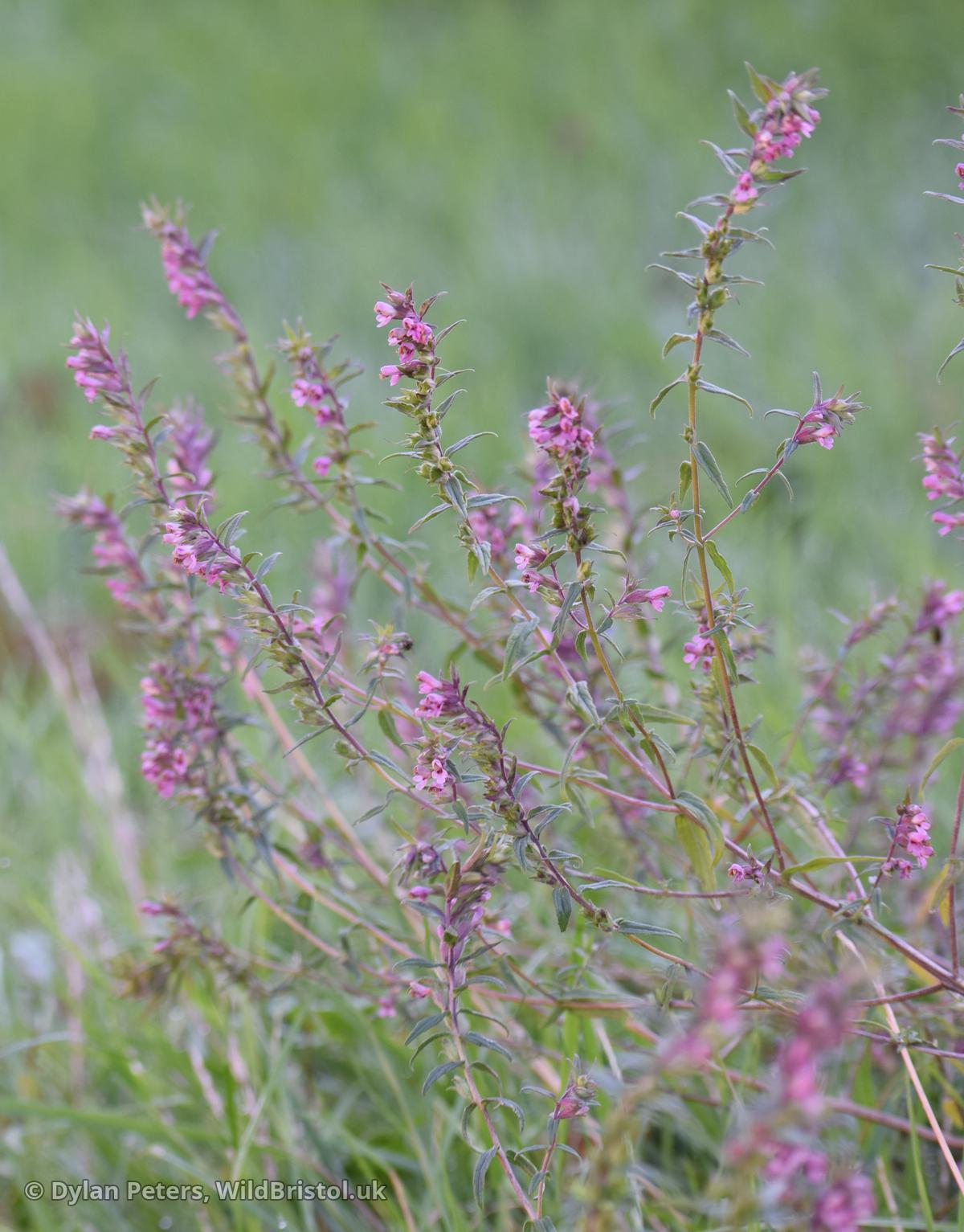
The method in which most meadows are created today is rarely done so in consideration and understanding of how meadows and their ecosystem actually work. Often turf is removed or the ground made bare and seeds of various sorts are sown. Annual ornamental mixes with useless non-native's such as California Poppies, Phacelia and the likes (bold, bright and colourful) - are often promoted as 'pollinator friendly' when they are anything but. At best they may attract a few Honey Bees and Hoverflies. They are designed to bring a burst of short-term colour and they give the wrong impression to the public as to what a meadow should look like. Really they are just an extension of cultivating the wild and a 'green-wash'. Perennial mixes on the other hand are widely used in so-called 'conservation' and 'rewilding projects' and for 'offsetting biodiversity loss' from new developments - the situations where it is really important to get things right! These mixes nearly always contain dodgy non-native and agricultural variants of wildflowers and even when they don't, they still threaten the existing local wild and unique plant populations, by mingling and spoiling the local gene pool with seeds which may have originated from Cornwall, Scotland or far worse - from outside of the UK. Not only is sowing seeds potentially hugely destructive but it is also boring, cheating and a waste of money.
What creates a proper meadow is purely down to long-term management, observation and patience.
There are many different types of meadow. No meadow is the same as the next and the same meadow changes from year to year. What discerns them is down to soil type, how the area is managed and therefore the resulting flora and fauna composition.
If all areas are treated the same then you end up only catering for those species which can complete their life cycles under that particular regime. For example having a traditional meadow which is cut once a year at the end of the summer and having the hay removed, is brilliant for wildflowers but not so good for invertebrates such as butterflies and moths which require long vegetation over the winter for their larvae and chrysalises which would otherwise be destroyed under such a regime. However by having different regimes in the same location i.e. one patch which is cut once per year (traditional hay meadow), one which is cut every other year (Bi-annual meadow) and another cut every three years (Tri-annual meadow) but having the last two divided into two halves and three thirds so that a different half or third is cut each year, then not only do you broaden the preferences for a greater range of biodiversity but you also sustain a consistent population (particularly invertebrate life) without obliterating it all in one go.
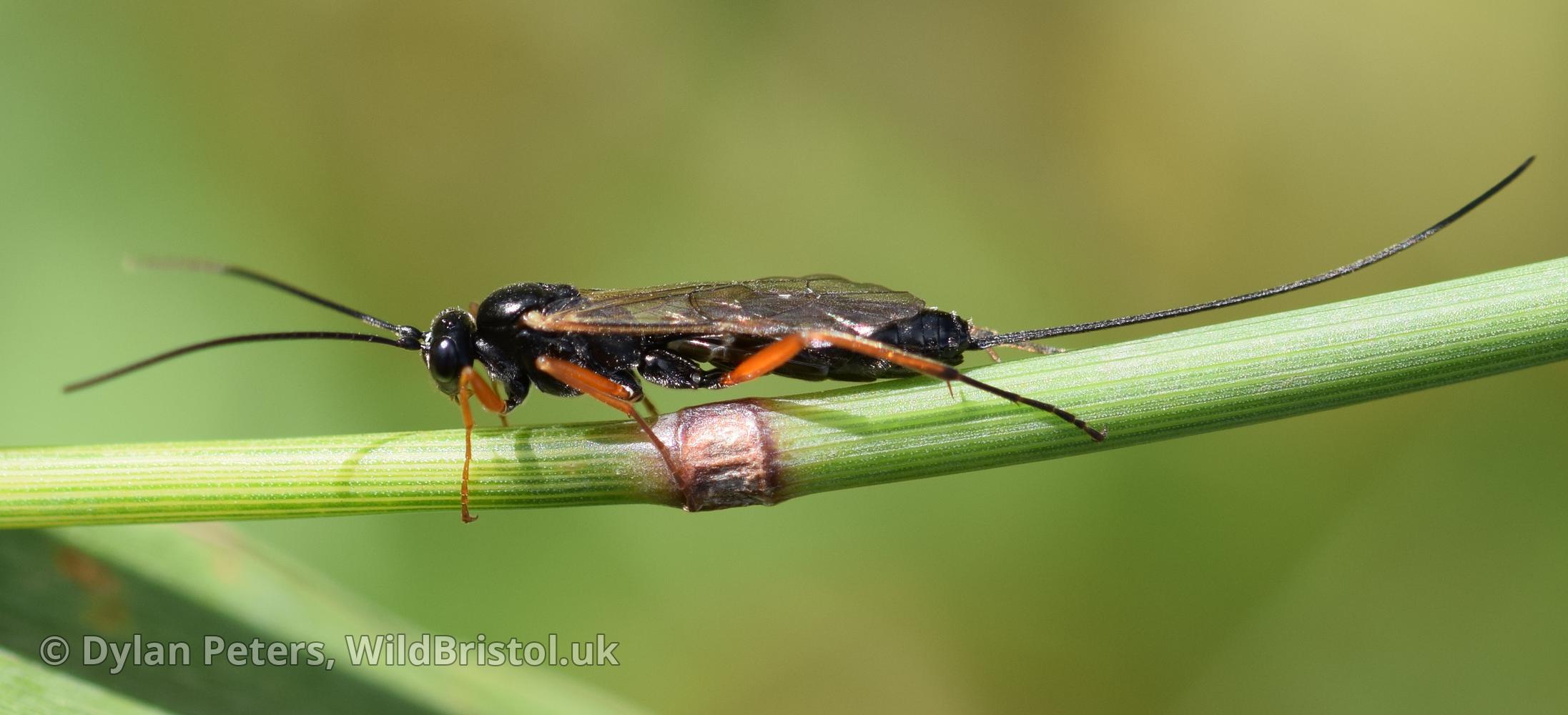
Whatever the regime, the process of creating them is all the same. The initial stage is to leave areas uncut for a period (a year or two) which allows us to see what already exists. This is a really important and interesting process as it tells us information about the land you couldn't possibly know when it was just short grass. You also get an instant increase in invertebrate life and all without lifting a finger. Grasshoppers, spiders, moths, butterflies, craneflies and tiny parasitic wasps, you name it! Ant hills also often appear which is a really good sign as ants are essential in maintaining the health of meadows and dispersing seeds - many of which are brought back to the nest where they inevitably reach a perfect seed medium of loose friable sun-warmed soil in which to germinate. Moles too, play a similar role.
After the 'test' period is up. The site must be cut and (ideally) have the cuttings removed. This is a very important stage in improving species-richness (and therefore the biodiversity of meadows) as the process opens up the ground, letting in more light and exposing bare patches for new plants to naturally colonise as well as reducing nutrient levels, over time restoring a balance so that more vigorous species are kept in check and so they do not outcompete the more sensitive plants. The disturbance also awakens already present seeds in the soil which may have been lying dormant for a very long time. The reason this works is because when sites are regularly cut or grazed, the grass thickens out. When left long, naturally it becomes more 'gappy' due to the vegetation shading itself out - this specific factor is what's so important about the process of hay meadows.
In areas where the hay can't be taken away due to lack of resources (as is the case in many parts of Bristol), then they should simply be left and the site cut regularly for the remainder of the growing season, allowing the clippings to rot down more quickly and preventing them from acting as a mulch. The result won't be as good but it will be drastically better than the sterile short grass which existed previously. On smaller patches such as at the community level in parks, it is perfectly doable to rake up clippings by hand and spread them onto areas which are to remain regularly cut so that they rot down quickly. It also avoids the unnecessary process of transporting organic matter far away. Because hay is a good mix of brown and green (high carbon and nitrogen ratios) it can also be used in composting and creating habitat piles without risking anaerobic decomposition (releases methane) which would occur with a pile of pure fresh green grass clippings.
There is also another method which I've developed and have been experimenting with after observing a number of ex-roadwork sites - which is to scarify, rotavate or turn over the soil in order to take advantage of the 'seed-bank'. Plants which may be extinct on the surface can still persist underground as dormant seeds for a surprisingly long time, often 10s, 100s and a few, possibly even over a thousand years. By awakening these tiny biological time capsules, many species can essentially be brought back from the dead! The result is often extraordinary; even in species-poor locations. A high percentage of plants which aren't present on the surface will appear. Not only is the process extremely fascinating but it also gives a really good insight into the past floral composition. What's also fascinating is you never know what to expect. You might achieve very little (though you would be very unlucky to not improve the list on what already exists) or you might hit the botanical haul of a lifetime [see Kellaway Cres Plant Protection Zone]. It's extremely exciting!
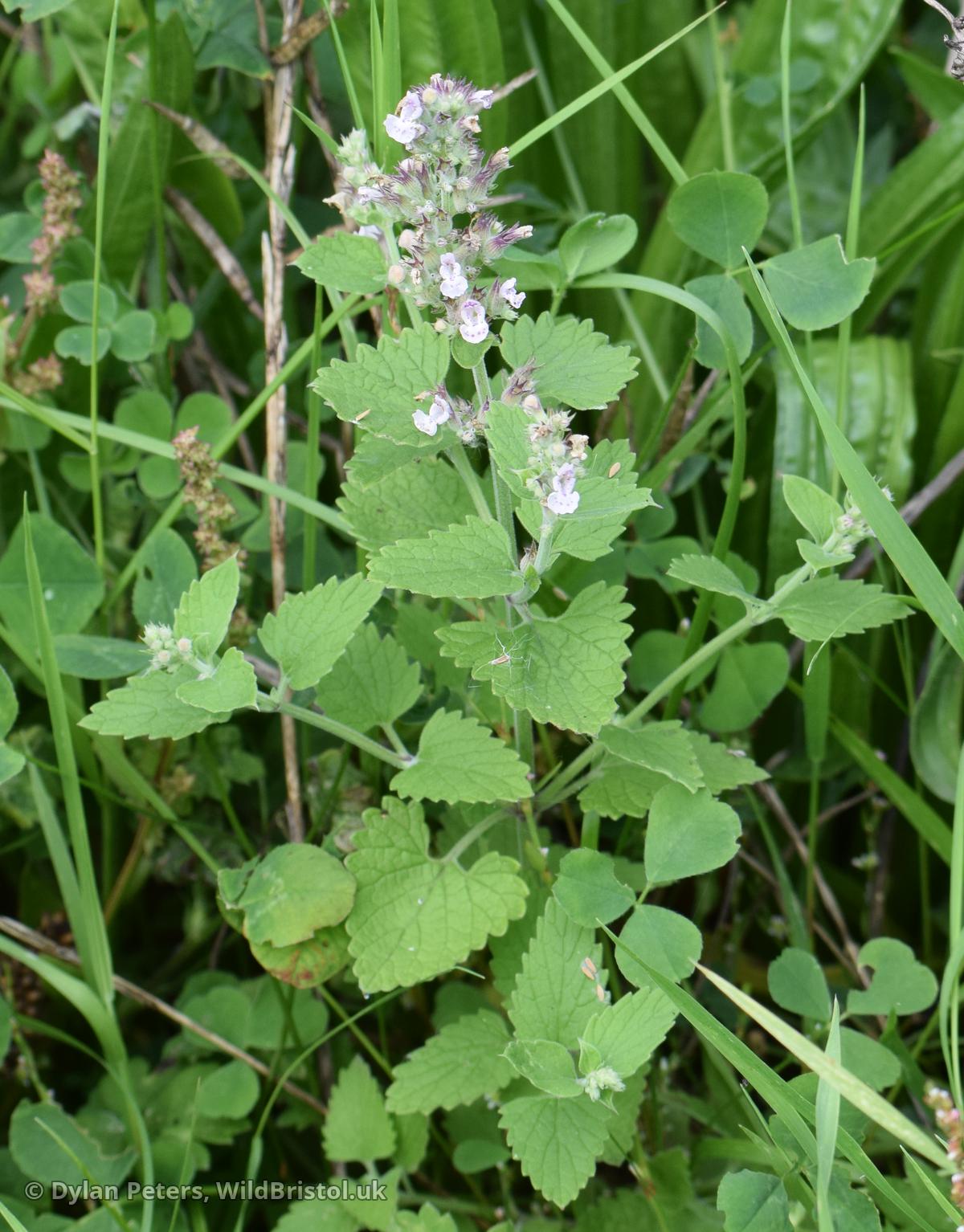
If you sow a packet of seeds you know what to expect and the result is that they all look the same but lots more can be achieved with this technique. If managed on a 2-3 year cycle you can exploit a good range of appearances from start to finish - beginning with an arable look of early colonising species for a few months then soon thickening out with later establishing vegetation and a rougher composition emerging, with biennials and short-lived perennials (such as Teasel) taking centre stage in year 2. At the end of the process the site should be razed to the ground and left for a week or two for any remaining seed to drop before rotavating / digging the ground, clippings and all back to square one again for the process to be repeated. Otherwise the ground could be rotavated every year to maintain a diverse array of annuals or perhaps after a year or two, continue it on a different form of management such as treating it as a hay meadow and utilising the initial process simply to return a certain species diversity to the surface which can then be maintained that way.
That's the gist of proper meadow creation anyway and all of this should be done with close monitoring and regular recording.
Right. Now onto tree planting:
Those who preach tree planting for the purposes of creating new woodlands, clearly know nothing about them and are oblivious to the natural processes of how woodlands are formed and how they function.
A lot of people are suffering from what they call 'Climate Guilt' and tree planting is seen as a way to counteract this.
The process of mass tree planting for woodland is a very modern concept and as far as I can see, has spanned from what they do in forestry which is completely different - it's cultivation. The history of plantations began in the 16th century when Britain required more timbre for an increasing demand for building ships and coffins. However, it wasn't until WWII that plantations really increased rapidly - at a time when all suitable land was used for growing food and wood was needed for building. Surviving woodlands up until that point only existed because of their inaccessibility - sites such as steep hill-sides or where the ground was too rocky, boggy, free-draining or acidic - conditions which are too poor to make arable. Instead of planting forestry on 'valuable' fertile land it was the practice to use these 'useless' places, utilise the existing timber and then replant them with fast-growing conifers which grew evenly and perfectly straight for the next time they would be needed. Nature was not taken into account. Of course the war ended and many of these replaced woodlands were forgotten about (such as part of Leigh Woods and Tanpit Woods, North Somerset) but have returned to a more natural state whilst still showing signs of the past with the presence of completely out of place non-native trees. In other situations, particularly on heaths and more extensive landscapes on high ground - where the soil is too poor for growing food, forestry has often continued.
When you need timbre to grow in perfect rows and to be an even size, then of course you need to plant them. But planting trees for the creation of new woodland is nonsensical madness. There is only one correct way of creating woodland and that is to allow for natural succession to take place. It's not slow, it's just that people are extremely impatient. In most situations within 3 to 4 years of no disturbance, the first saplings and woody species such as brambles should start to emerge. Once emerged, growth is rapid. After 10 years a distinct scrubby habitat will have formed and after 30 years, a mature scrub, verging on woodland with the tallest species already attaining a height of about 6 m.
Only careful management such as removing any non-native invasive species is needed (should they appear) and in the long run, once established other practices such as coppicing or pollarding and creating openings or clearing patches to let in light and rejuvenate the ground flora etc. can be implemented.
Tree planting comes with all manner of problems. Firstly It's a great shock for saplings to be transplanted. Bear-root saplings often come with severed taproots - the trees main anchorage which if damaged, checks the trees and makes them more prone to suffering from disease and the elements (especially the wind). The survival rate is low and for those that do make it, they will never reach their full potential because they have been inherently weakened from the start and they have not formed the strong mycorrhizal connection that those which arise naturally do. They therefore do not grow as well, do not provide for as much biodiversity and do not sequester as much carbon. The resultant woodland is less beneficial and less likely to perform in a changing climate.
-
Skips stages in plant succession - a huge chunk of biodiversity from grassland to scrub misses out in the process.
-
More expensive. Though money shouldn't be a factor, unfortunately it's all many people will listen to. Natural succession is totally free. Tree planting is not.
-
Creates unnecessary waste and ironically CO₂ emissions - starting from the nursery growing the saplings in the first place to the packaging and vehicle used to transport them to the destination, the mulch mats, pegs, mulch, plastic tubes and the people burning calories to plant them! and don't get me started on the bananas, biscuits and coffee they use to refuel at break time!
-
Pests and Diseases. The very reason we've suffered from outbreaks of Dutch Elm Disease, Box-tree Moths and currently Ash Dieback etc. is because of the ridiculous trade of saplings from far afield. It doesn't matter how careful the process is to avoid such events, the mere fact of doing it is a risk. Natural succession has none whatsoever. It's only a matter of time until the next one arrives. What will it be? Oak blight? Hawthorn rot? Elder wilt? Blackthorn pox? We've not long come out of a pandemic for goodness sake - which people seem to have completely forgotten about. You'd think biosecurity would be taken seriously by now?
[A noteworthy and harmful disease is fire blight, induced by the bacterium Erwinia amylovora - introduced from the United States to Europe (southern England) in 1957, this disease spread across the continent (France 1978, Switzerland 1989, Germany 1990, Yugoslavia 1990). It attacks woody Rosaceae and causes the withering and necrosis of shoots, flowers, leaves and fruit, as well as cankers on the branches]
A newly reported outbreak: Sweat Chestnut Blight
Forestry Commission, Sweet Chestnut Blight
[The sawfly Aproceros leucopoda (Zigzag Elm Fusehorn), an invasive species from China and Japan, was first recorded in Britain in 2017.]
- Introduces material not of local origin which risks destroying indigenous uniquely evolved populations (through 'mingling') which are well adapted to the local situation and which are always best situated in a changing world. Nursery-grown saplings are also likely to have less genetic variation as wherever they've been sourced from will have been collected from only a relatively small collection sample size. Anyway I don't want Cornish trees, Scottish trees or far worse continental trees. It's Bristol's trees we need to be preserving. The whole thing is just morally wrong and inconsiderate to those generations past, present and future who have worked so hard to study the unique taxonomy of our flora. We separate forms of life into species, subspecies and varieties but the fact is every individual is different and when populations become isolated for whatever reason they then become distinct. We need to be treasuring and conserving these local forms i.e. protecting the flora at each location individually, not bombarding them with material which could have come from anywhere. It's just not right.
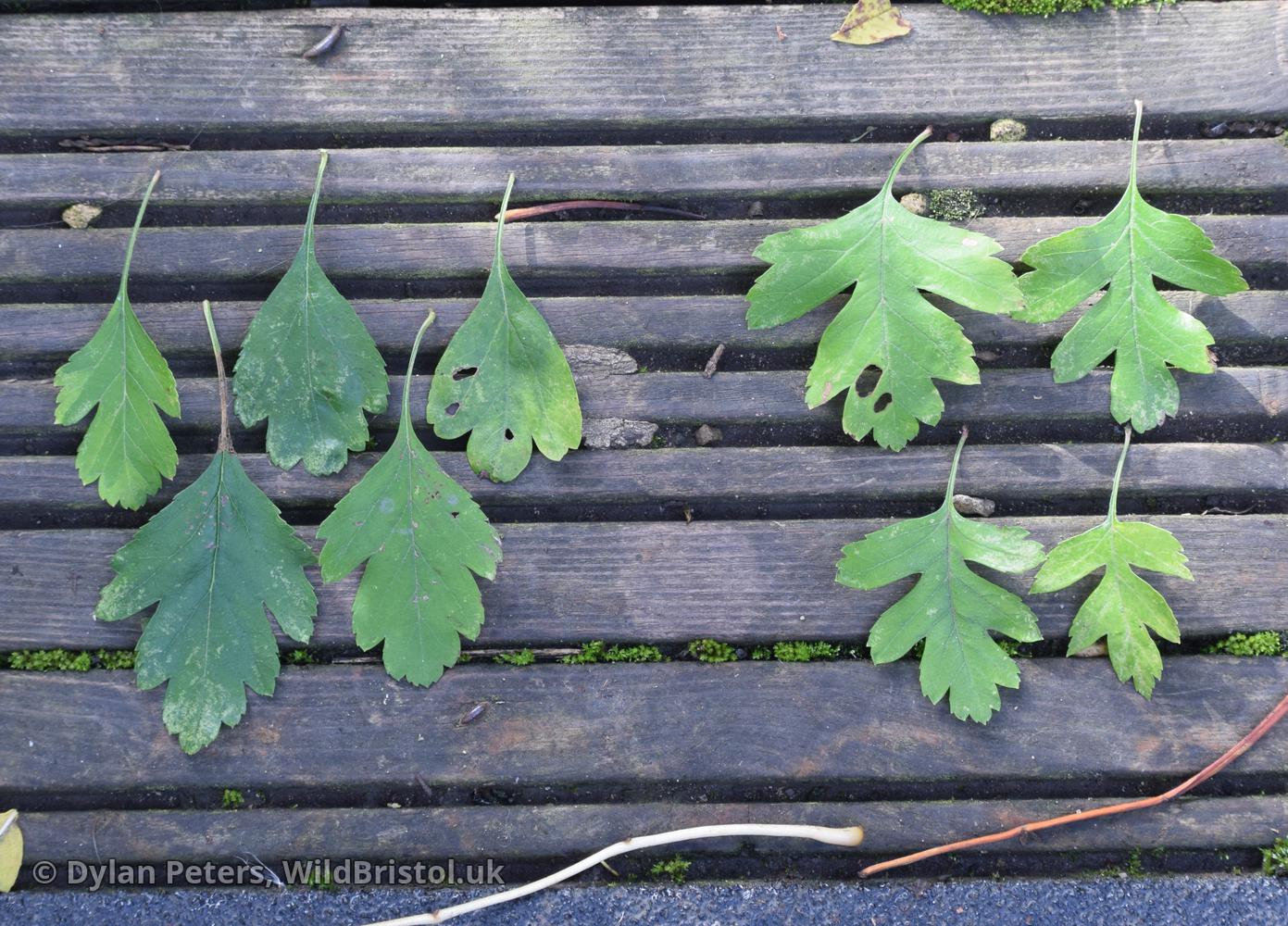
Overall, mass tree planting is counterproductive, inefficient, wasteful, damaging, unthoughtful and an utter waste of time and energy! which could otherwise be put to good use in actual proper habitat restoration and management.
A huge amount of money is being driven into this and it is being funded from all levels.
People seem to think that if we take something we have to replace it.
Hedgerows. Now this becomes a bit more complicated.
A brief lesson on the carbon cycle.
because currently, what's being created is an artificial world in which everything is done purely for clicks - desperate attention grabbing and not a genuine scrap of care for our natural world.
Useful Links:
The Guardian - Why native trees are struggling – and how the Woodland Trust is stepping in