Botanising around Bristol
Bristol is a very unique place, there isn't really another city quite like it. Once a series of hot tropical islands, Bristol's hilly terrain means a surface area that is much greater than it appears from above. So much is crammed into such a small place. You can walk from one area to the next feeling like you've entered a completely different part of the country. And to this day there's still many places I haven't been too. This clish-clashing and density of habitats is what makes botanising in Bristol so interesting. Its warm wet climate and mixed geology and varied elevations has enabled the retention of a great mixture of plants in such a small area.
Centred between the River Avon, Severn, Trym and Frome. The tidal Avon bringing saltmarsh plants and of course surrounded by the world renowned Avon Gorge.
To the east of Bristol, the ground overlays Pennant Sandstone and our one scrap of heathland in Troopers Hill which is home to our only extant site of Bird's-foot (Ornithopus perpusillus).
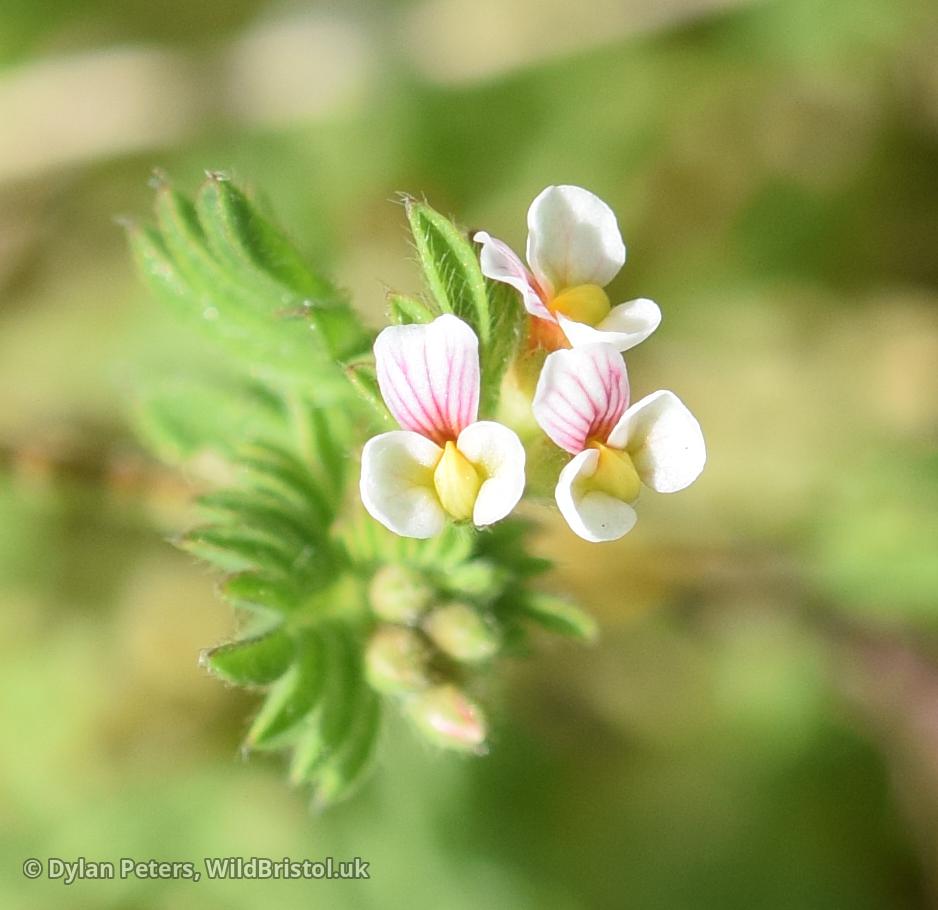
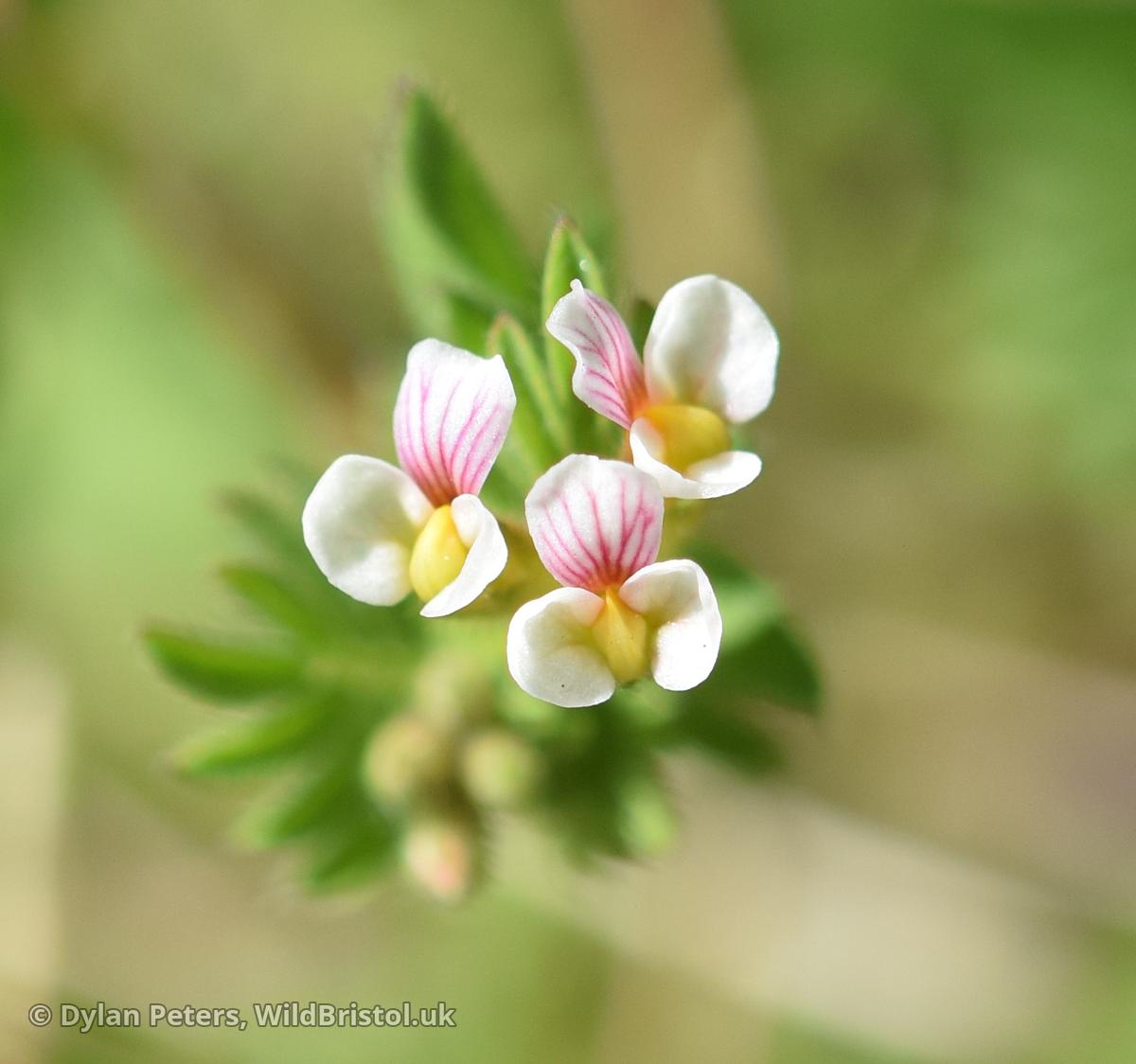
As everywhere, Bristol's natural world is under threats from all sides. Thanks to the absurd trend of people paving over their gardens for driveways and ripping up lawns for astro turf to the increasing movement of people wanting to do a good thing but actually making the problems excessively worse such as bulb planting in local nature reserves, mass tree planting over many of our last remaining open green spaces and the sowing of seed mixes and plug planting in 'meadow creation' - these current practices so much promoted in the media are arguably far more destructive to Bristol's native flora than good old fashioned habitat destruction!
The massively increased dog population.
Half my time is spent head down eyes fixed on the pavement, scouring for any interesting garden escapes.
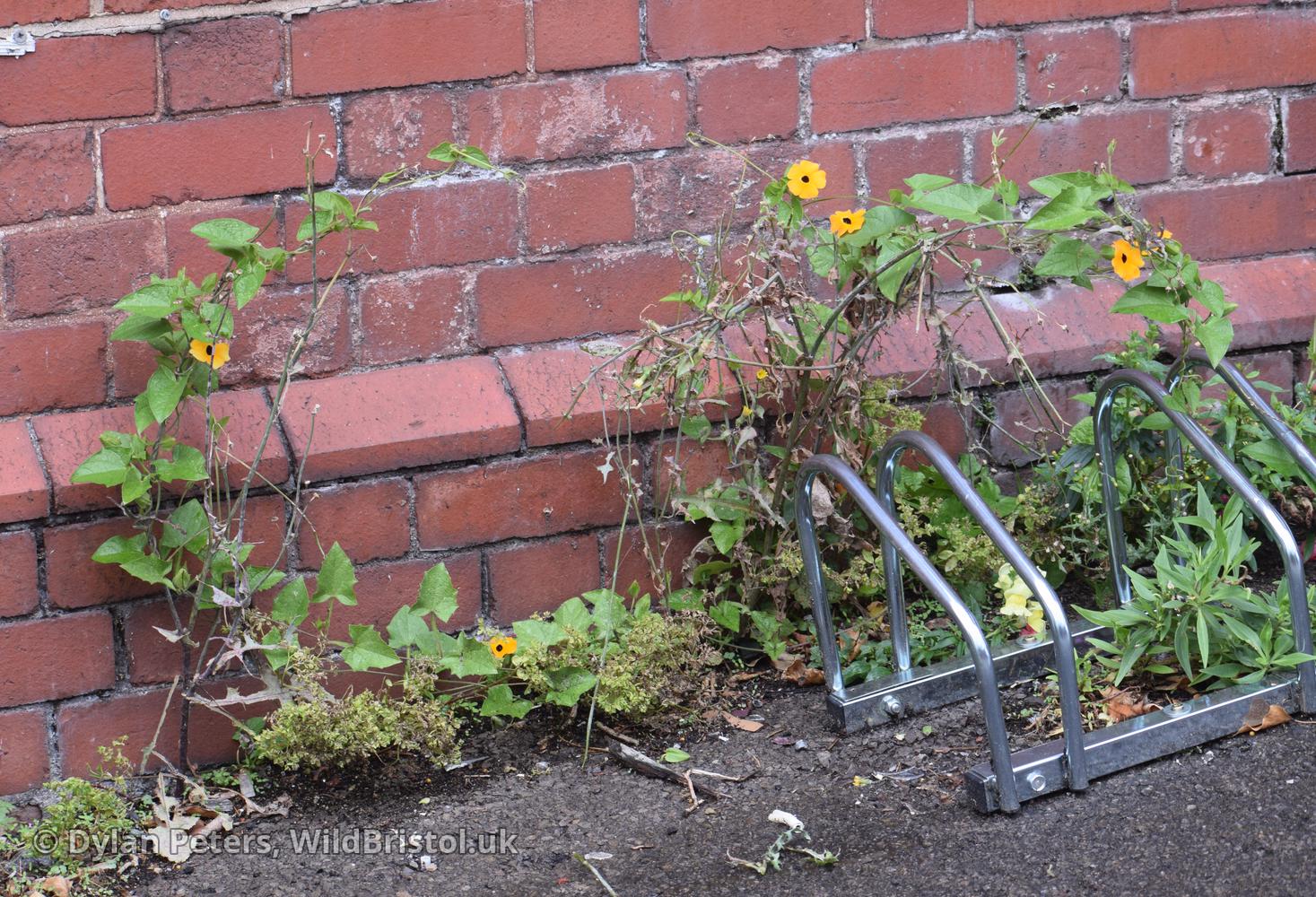
It's hard being an urban botanist. The vast majority of people just walk by staring at their phones and plugged into the internet, completely oblivious to their surroundings but you always get funny looks with the occasional spout of verbal abuse and the still rarer occasion that someone actually asks what you're doing?
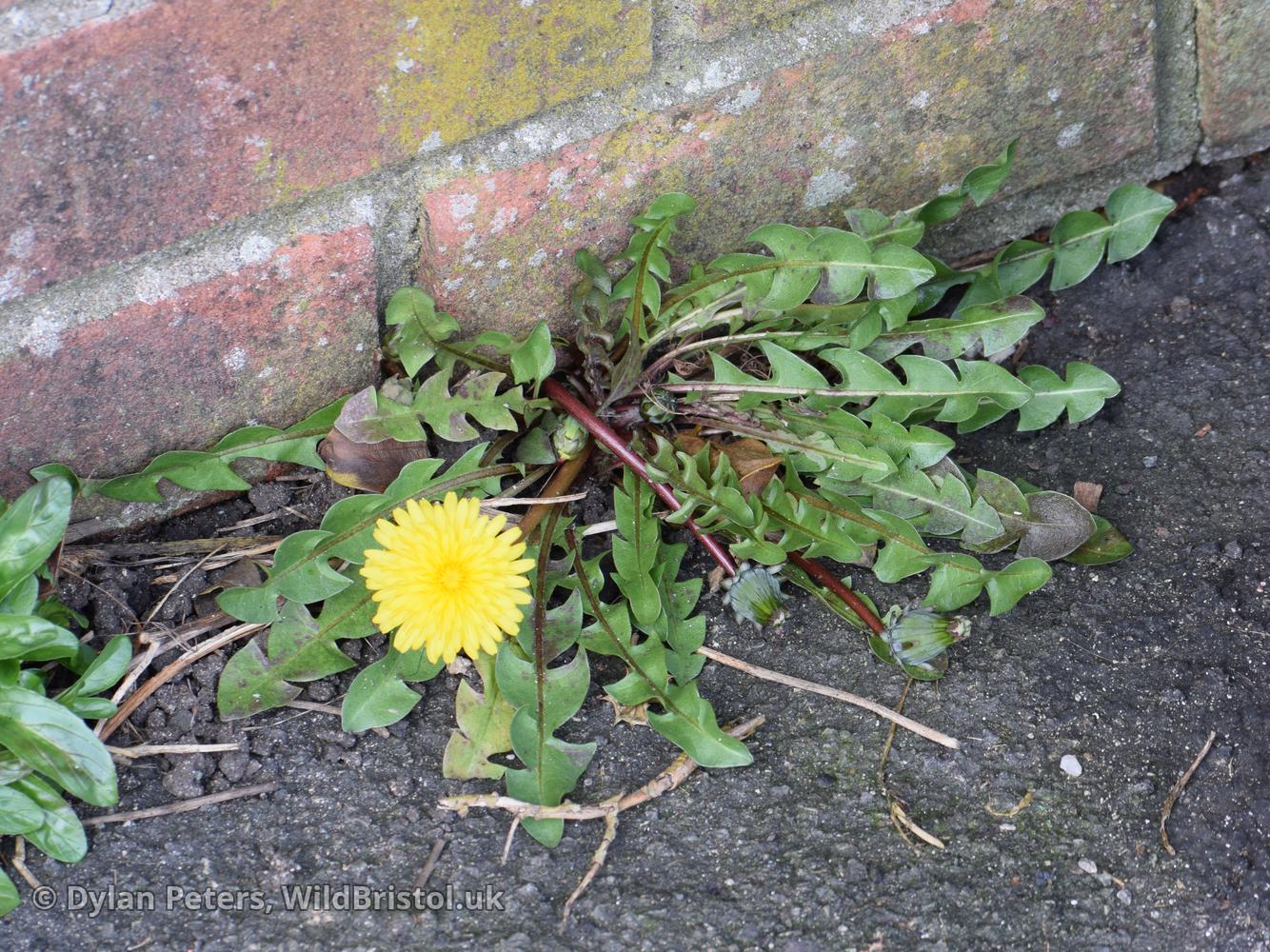
In spring much of my time is taken up looking at dandelions. Being a mild place, the season starts early here from February with most species being at their peak by mid March - well over a month before the surrounding area.
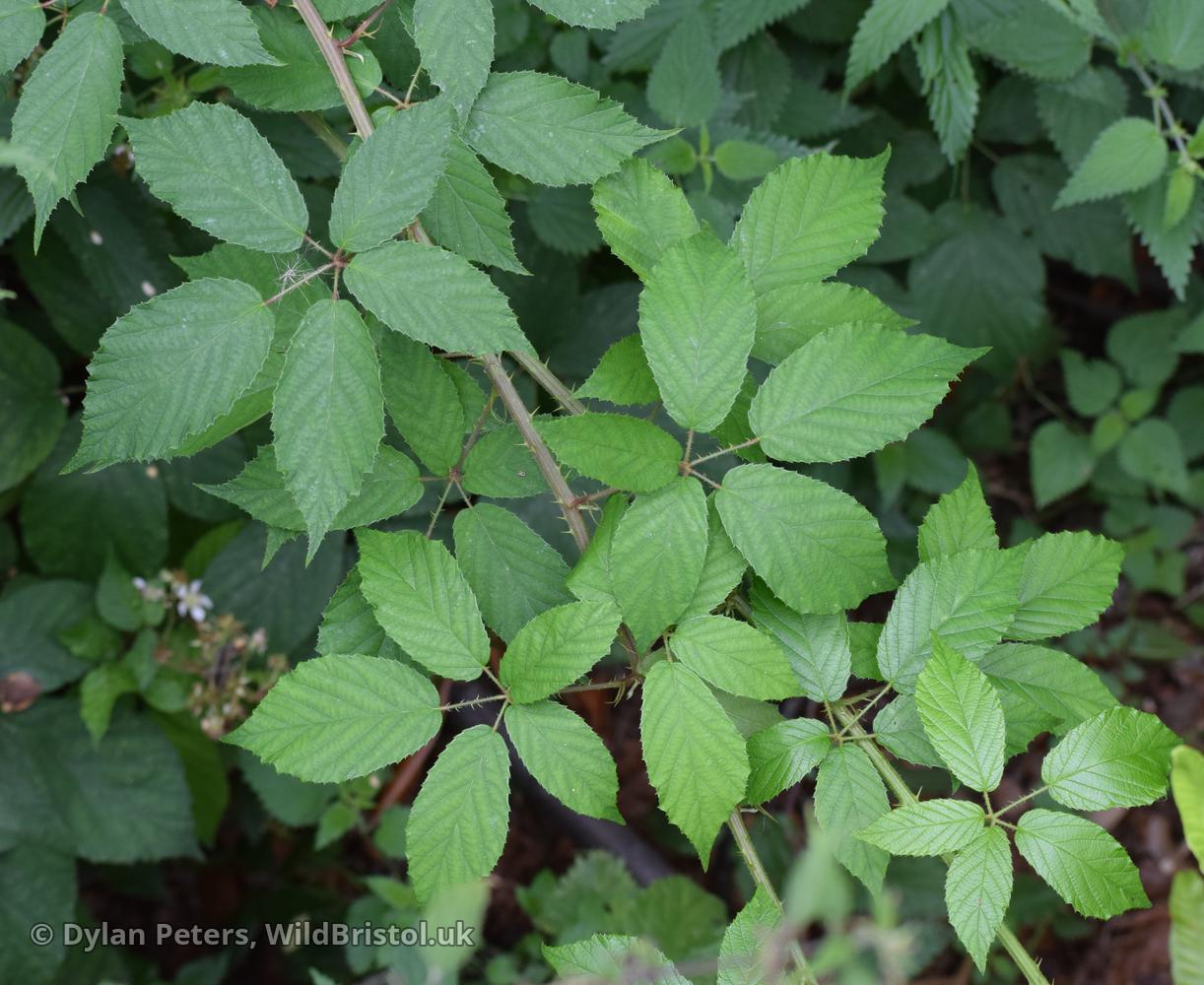
Approximately two thirds of Britain's dandelions I've recorded here and around a quarter of our Brambles.
Taraxacum britannicum being by far the commonest.
By early June, I'm well into the swing of Brambles.
Hawkweeds are unfortunately a bit of a dull subject in Bristol. Just finding one is a challenge and it ends up usually just being H. argillaceum or H. spilophaeum.
A local form the late Rob Randall nicknamed 'Bristol glareosus' grows in all 3 of our major woodland valleys.
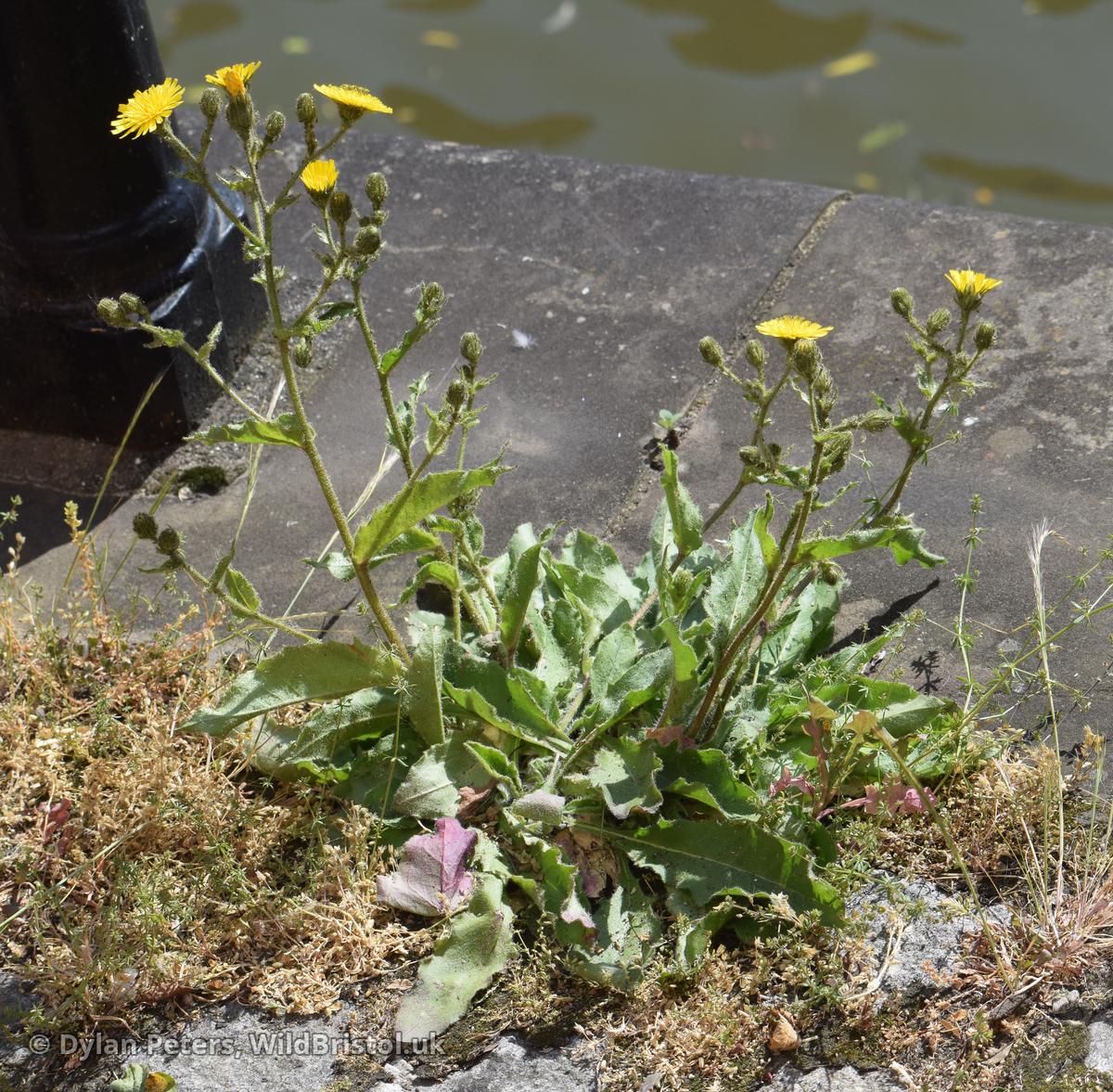
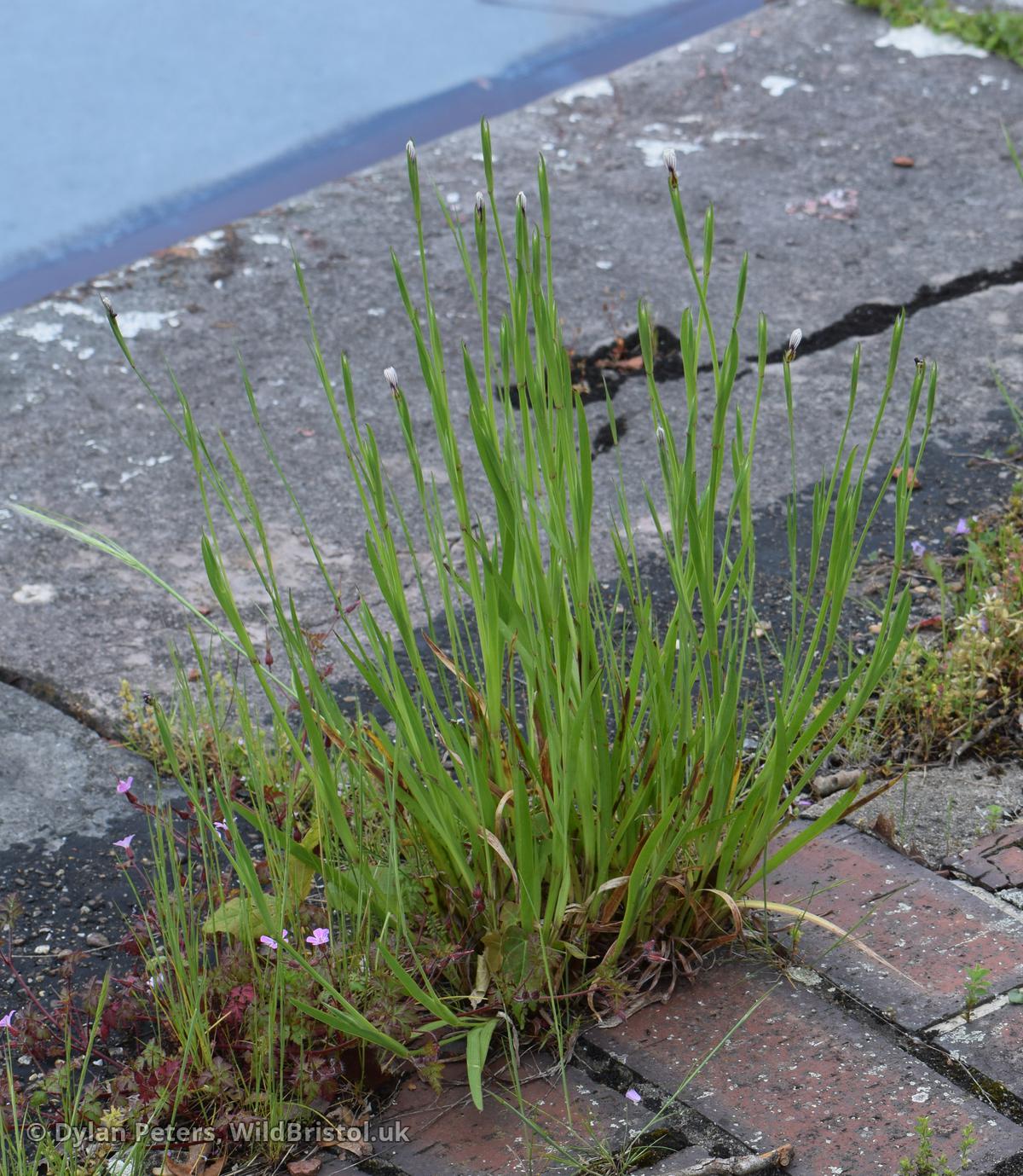
Bristol's historic past as a major international port of trade meant lots of interesting adventives during the late 19th and early to mid 20th Century. A prime hunting ground for the Sandwith's - a mother and Son team who emigrated from Holland in 1901 and took it upon themselves to record aliens - most of their specimens are now in Bristol Museum.
Bristol harbour
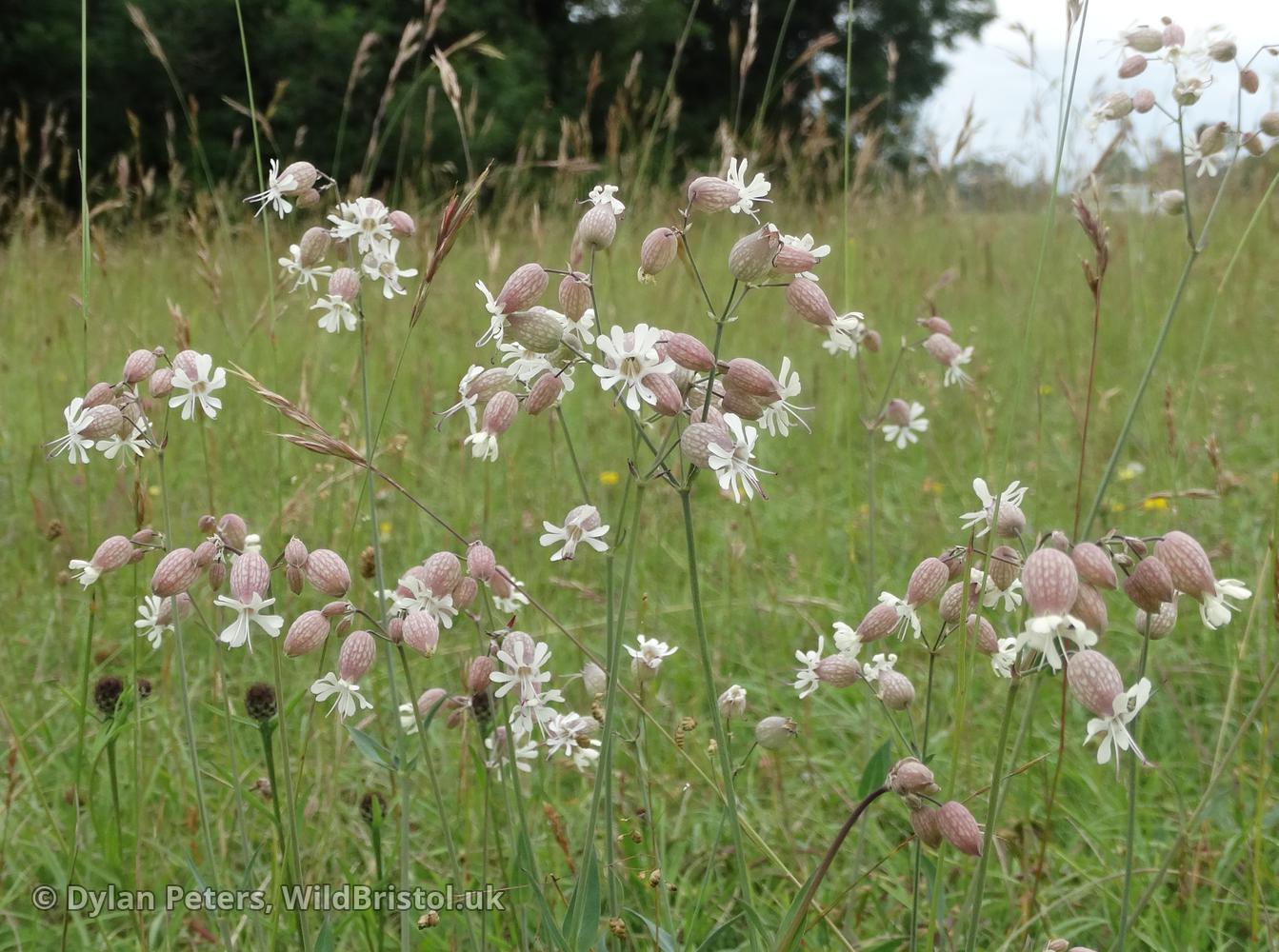
The Downs and Avon Gorge.
How I got into botany
That's tricky to answer as I've always been obsessed with natural history. I'm quite unique in that I picked up my interest purely by myself unlike most people who get into it because of a parent or relative. But my parents allowed me to play with tools and get grubby gardening and very observational watching plants grow. I got my own allotment at the age of 11. i remember the first plant I ever grew was a primrose in a little welly when I was just 5 by shear coincidence I later found out that my birthday falls on Primrose day!
what books/resources I used
Naturespot
I think some would be surprised at the scarcity of my bookshelves.
who helped me, etc. - particularly to encourage other budding young botanists!
During Lock Down in 2020 I created my own website WildBristol.uk to exhibit my fast growing collection of photos.
I will never forget the words that Clive told me when he stated me as "a polymath when it comes to natural history...the breadth of your scope is exceptional for someone of your age I had guessed a decade or two older!"
for my 18th Birthday I asked for a copy of The flora of Bristol (1912) and the Flora of the Bristol Region (2000).
Clive bought me Stace 4 as a Christmas present
I've also been fortunate enough to have a number of books gifted to me.