Spiked speedwell - Veronica spicata
Favourite Photos
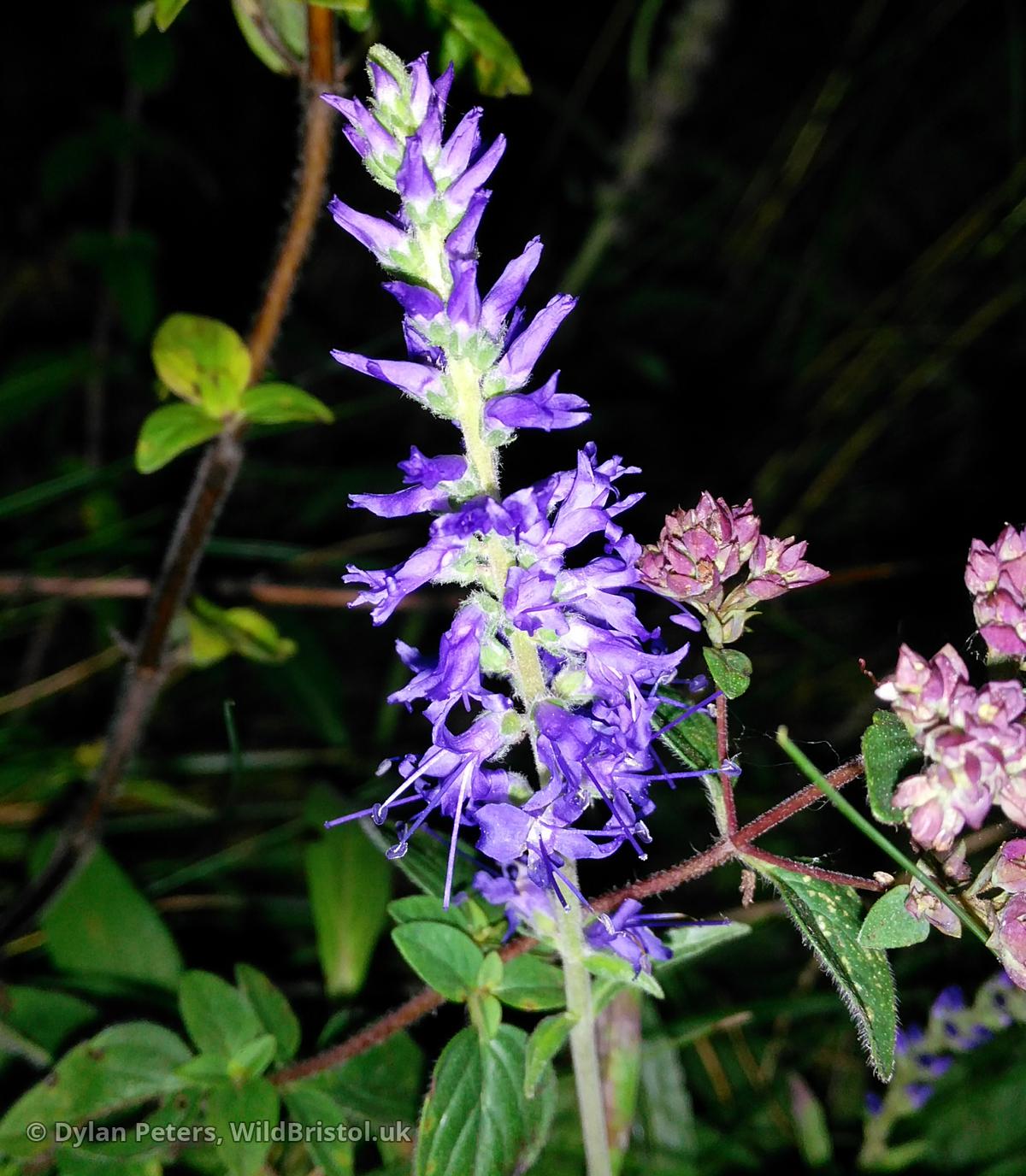
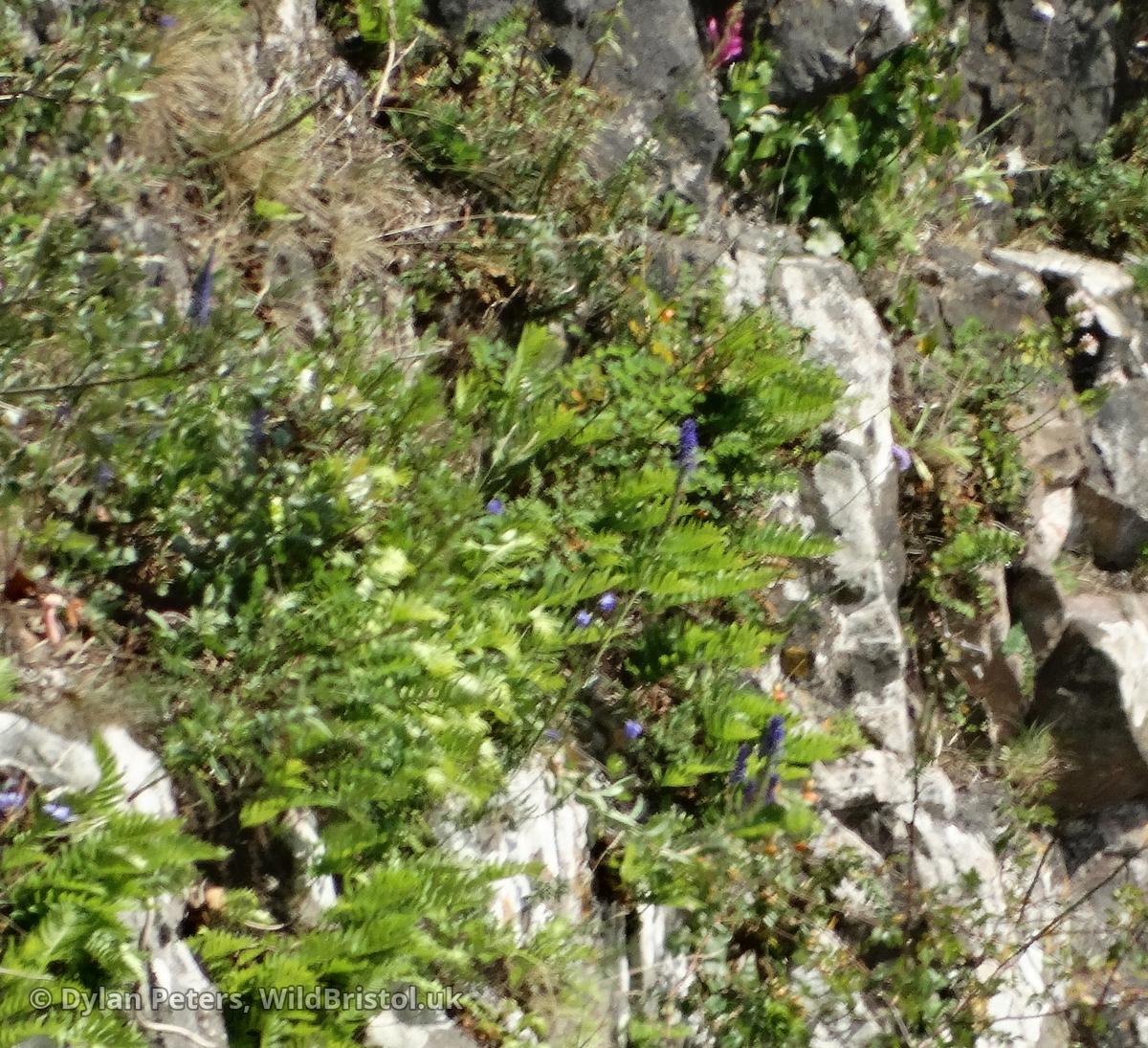
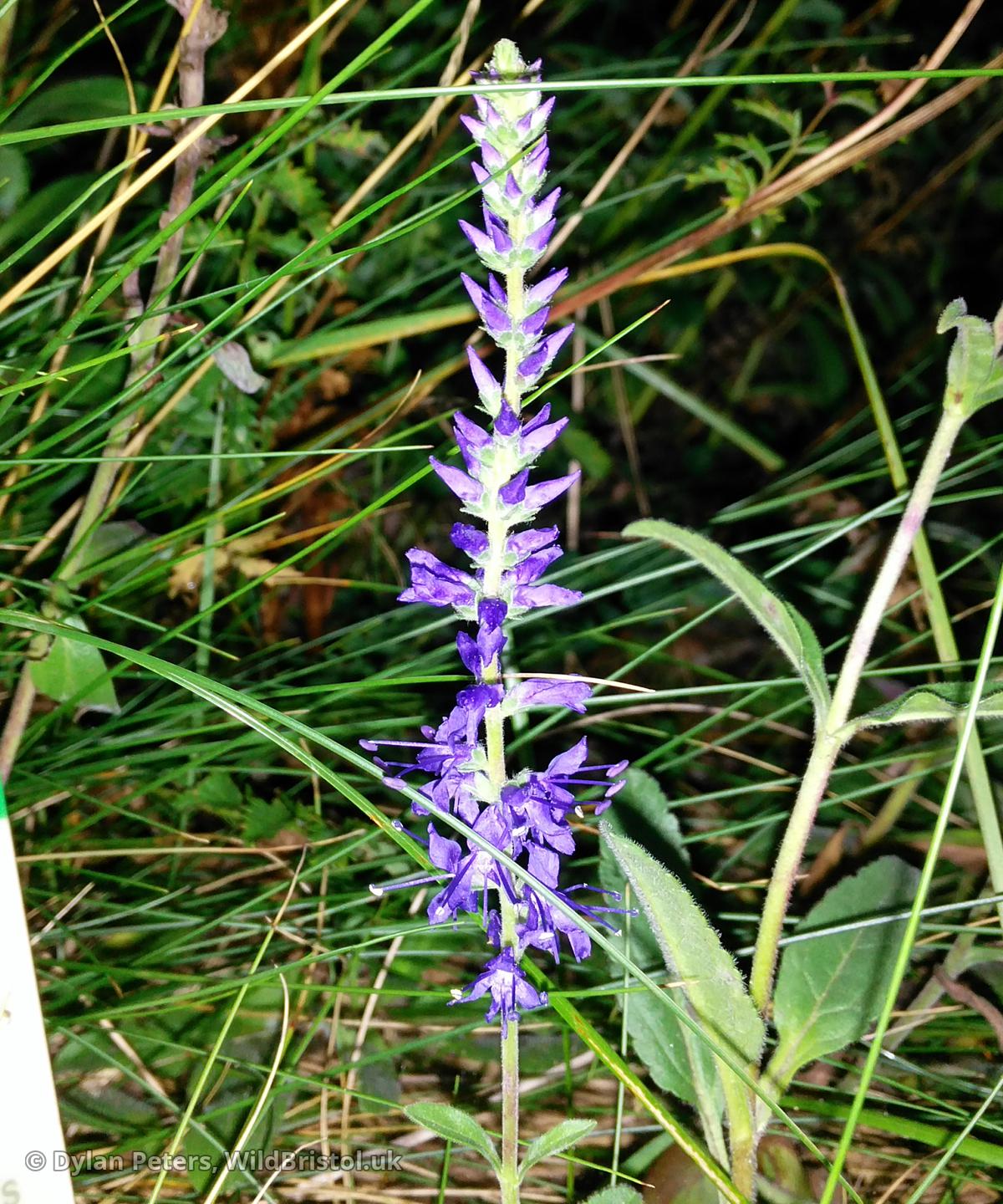
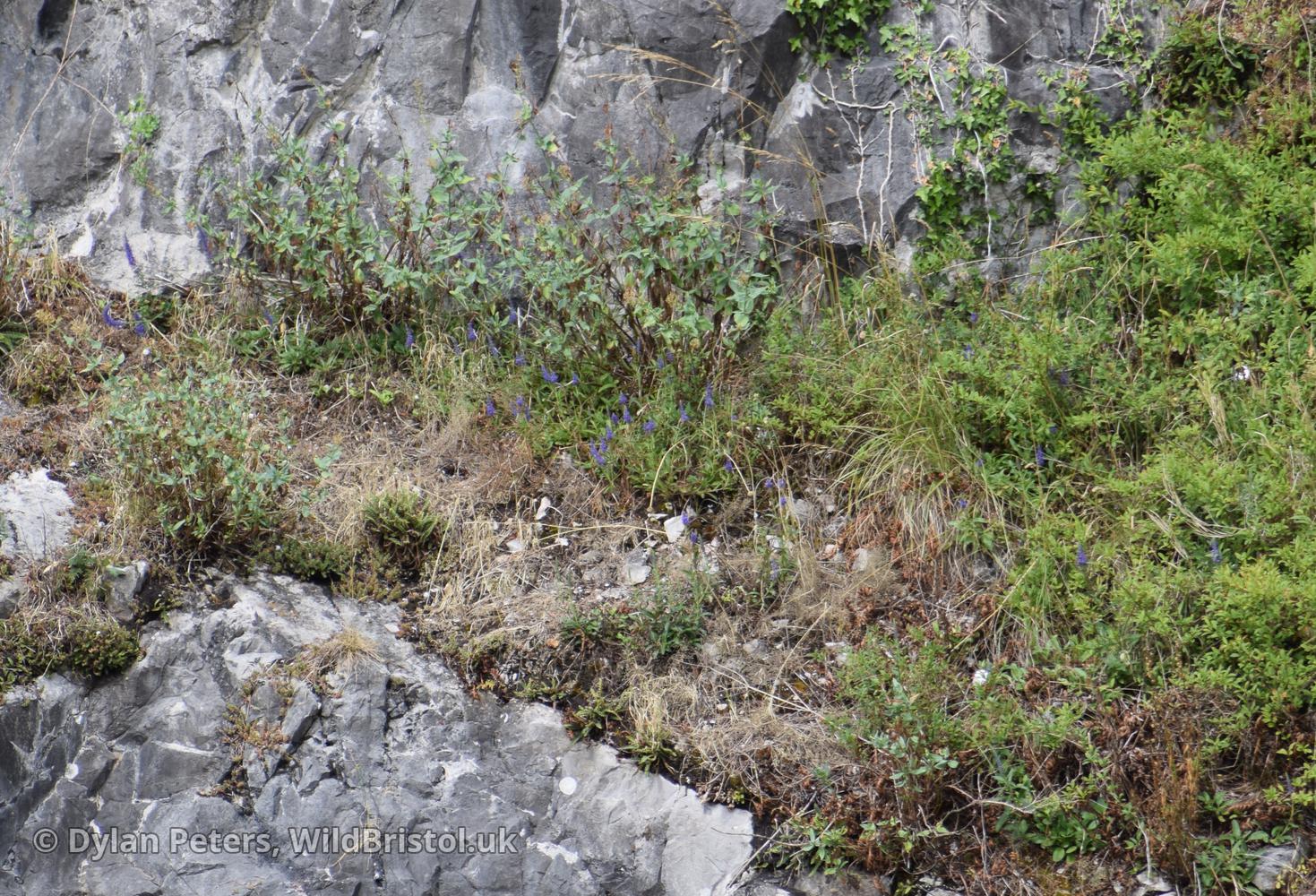
Species Description
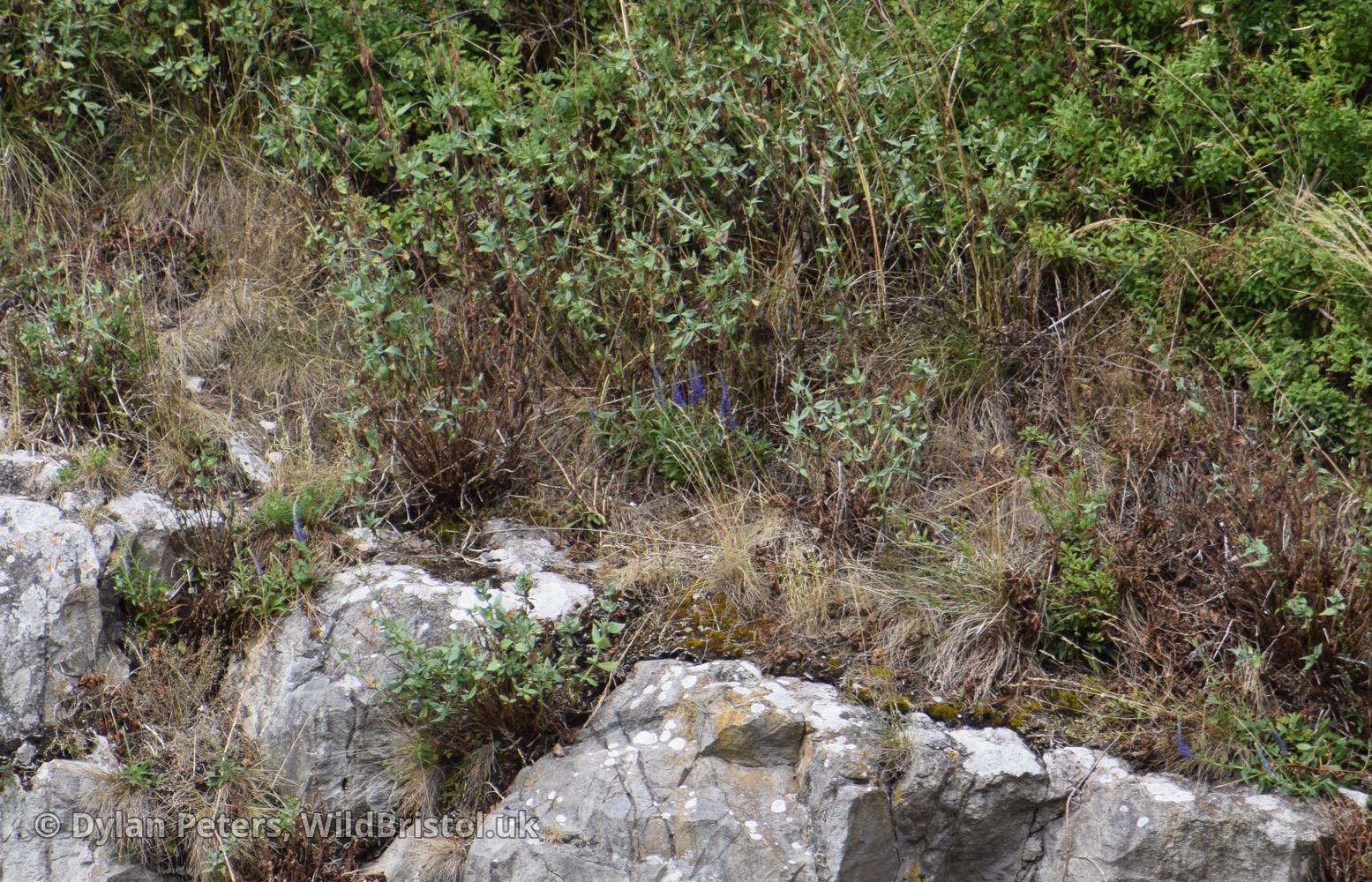
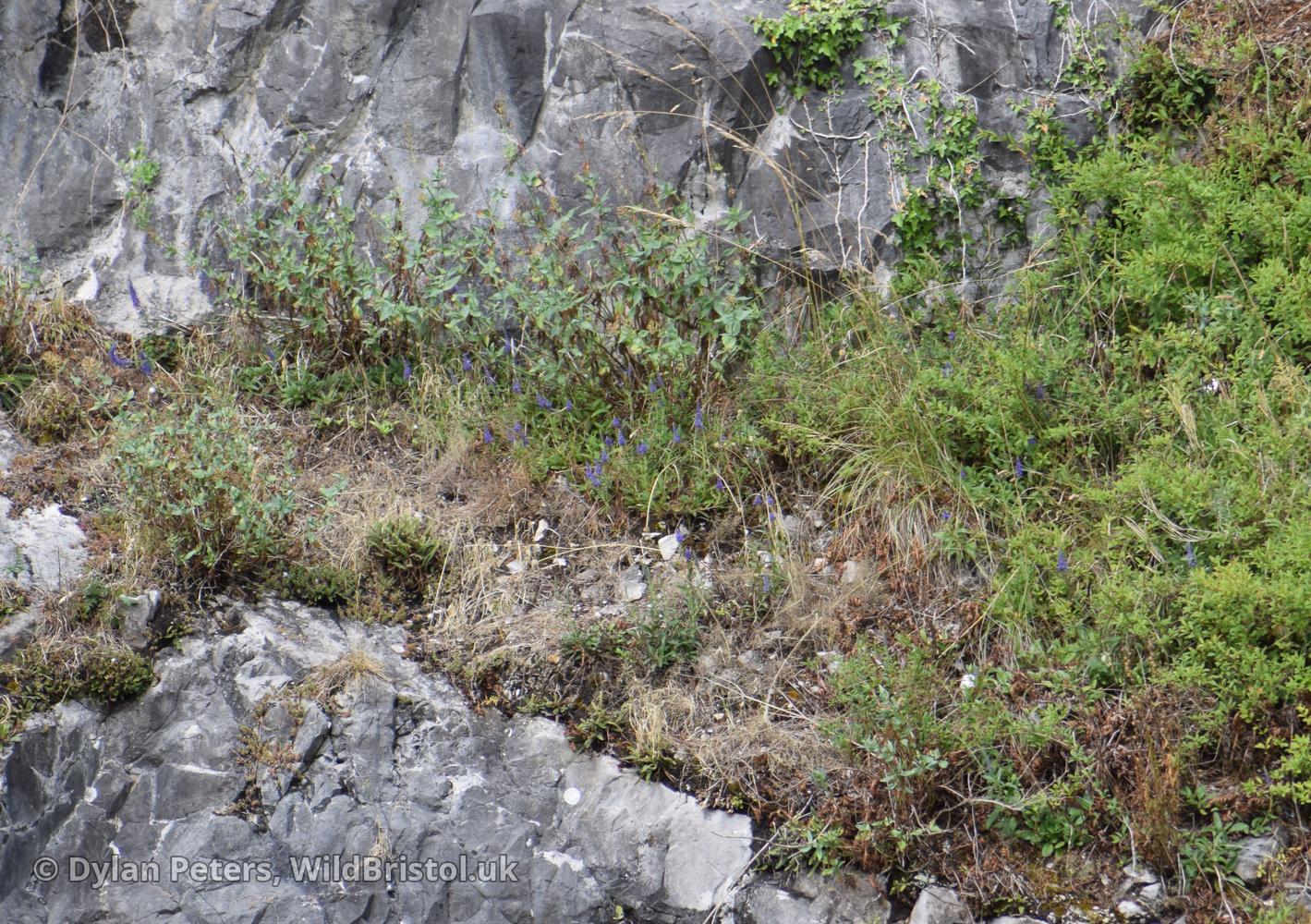
Nationally rare. Habitat includes: limestone cliffs, Carboniferous limestone. There are two sub species in this genus:
-Veronica spicata subsp.hibrida. Otherwise known as Western Spiked Speedwell. It is found in England and Wales where there are about 20 known locations. In Wales, these are in Vice‐counties: Caernarvonshire, Carmarthenshire, Denbighshire, Flintshire, Glamorganshire, Merionethshire, Montgomeryshire, Pembrokeshire and Radnorshire. In England in West Yorkshire, Westmorland, West Gloucestershire and North Somerset. Conditions required: Oceanic climate with a relatively high annual rainfall (1000 mm) and mean January and July temperatures of 6 - 17 °C. Soils in the UK supporting ssp. hybrida are usually shallow, stony loams, or sandy or humic overlying limestone, shale or base‐rich rocks such as dolerite. In the Avon Gorge sites of ssp. hybrida, Lovatt (1982) reported that the soils are ‘commonly rendzinas, shallow and dark highly humic soils directly overlying the limestone’, with a pH of 7.3–8.2. A reddish‐brown silty clay loam (Lulsgate series) is also present. Lovatt (1982) suggested soil type as a determinant of the plant's localisation at the south end of the Gorge. Occurs on dry, open, sun‐baked south‐facing shelves with a few plants on rock ledges on the South and West Crags. Jones (1993) found ‘probably the largest population…in Wales’ at Cefn Rocks and Bryn Cefn Woods in Denbighshire, the main site a west‐facing inland cliff. In the Avon Gorge the subspecies grows throughout the cliffs of St Vincent's Rocks and (the lesser) Burwalls Rocks, at its southern end. Shallow soils near outcrops and in rock crevices on Carboniferous limestone sea‐cliffs; similar locations with larger populations are found on the Great Orme, Caernarvonshire and Humphrey Head, Westmorland. ssp. hybrida also occurs in grazed pastures, e.g. at Far Arnside, Westmorland. predominantly south‐to‐west facing, receiving high insolation in the afternoons when the sun is most effective. On Breidden Hill the soil in the areas colonized by ssp. hybrida is podsolic, moderately acid but fairly base‐rich (Jarvis 1971). A similar range of soils is described for V. spicata localities in Europe (Oberdorfer 1978). It has also been found on deep, black earth soils and sodium carbonate rich solonets soils in Russia (Keller 1927). In the Avon Gorge Lovatt (1982) described four distinct vegetation units in which V. spicata ssp. hybrida occurred in a continuous range of vegetation on St Vincent's and Burwalls Rocks (Table 1). The most typical (Group 1) had a high constancy of Mesobromion species. Group 2, on less steep slopes (5–30°, mean 16°), consisted mainly of ruderal and alien species typical of nutrient‐rich soils, while Group 3, on deeper soils, had a low constancy of calcicoles with an increase in scrub shade and hedgerow grassland plants. Group 4, on the shallowest soils and occupying a zone on the edges of ledges or rock pockets, had a higher proportion of therophytes. Table 1. Selected examples of species associated with Veronica spicata ssp. hybrida in the Avon Gorge from each of four vegetation groups (Lovatt 1982).
Group 1 Group 2 Group 3 Group 4
Bromopsis erecta Allium carinatum Agrostis stolonifera Arenaria serpyllifolia
Dactylis glomerata Foeniculum vulgare Arrhenatherum elatius Cerastium pumilum
Festuca ovina Smyrnium olusatrum Crataegus monogyna Clinopodium acinos
Helianthemum nummularium Sonchus oleraceus Fraxinus excelsior Saxifraga tridactylites
Origanum vulgare Taraxacum spp. Hedera helix
Sanguisorba minor Sanguisorba minor
Scabiosa columbaria
-Veronica spicata L. ssp. spicata. Otherwise known as Breckland Spiked Speedwell It is found in East England, in the Watsonian Vice‐counties: Cambridgeshire, West Norfolk and West Suffolk. It is the rarer of the Two. Habitat includes: Both inland and sea‐cliff ledges, bare rocky slopes, screes, limestone pavement, dry grassland. Continental climate with a relatively low annual rainfall (625 mm) and mean January and July temperatures of 3–16 °C. ssp. spicata is subjected to a lower winter temperature. V. spicata as highly intolerant of shade and competition, persisting only where potentially tall competitors remained restricted by relative harshness of environment, by soil instability, or by rabbit‐grazing or mowing. However, they indicated that the rare species of Breckland could survive in sparse woodland. inland cliffs and screes, sea cliffs, river gorges, sand dunes and dune slacks, and shallow soils over chalk and limestone, especially on steep slopes. Grows on low ground at an altitudinal range of up to about 400 m (Alt. range Brit. Pl.), but on the Alps it is found up to 1850m. Basic rock or base‐rich drainage water and the absence of natural dominant woodland. scattered sites represented relict communities of a once widespread late‐glacial ‘steppe‐tundra’ vegetation, most of which in north‐west Europe had been lost under closed forest. They also suggested that some species now characteristic of the East Anglian heaths may have survived the period of dominant woodland in small numbers in open vegetation of the ‘steppe’ grassland type, maintained by river erosion, with subsequent expansion following the clearance of woodland by Neolithic man. In East Anglia it is limited to a flatter habitat of dry grasslands and sandy heaths. Breckland soils bearing ssp. spicata are derived from chalky glacial drift and interglacial sands. These are moderately acid to basic, alkaline and base‐rich, but with low to medium nutrient content.
both subspecies can survive drought in summer when temperatures on exposed rock faces such as the Avon Gorge cliff habitat of ssp. hybrida may exceed 50 °C.
Can grow up to 100cm tall.
Subspecies
| name | latinname | species | sightings | media | image |
|---|---|---|---|---|---|
| Western-spiked Speedwell | Veronica spicta subsp. hybrida | 1 | 3 | 6 | 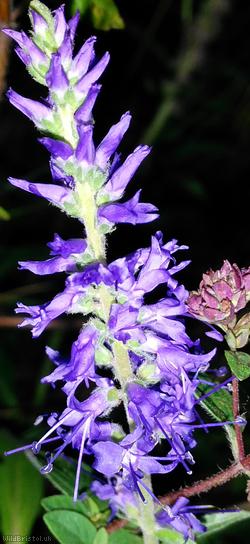 |